Global tropical forest loss falls in 2025, but remains above decade ago
Primary forest loss slowed 36% in 2025, yet the tropics still shed 4.3 million hectares as climate-fueled fires kept the threat elevated.
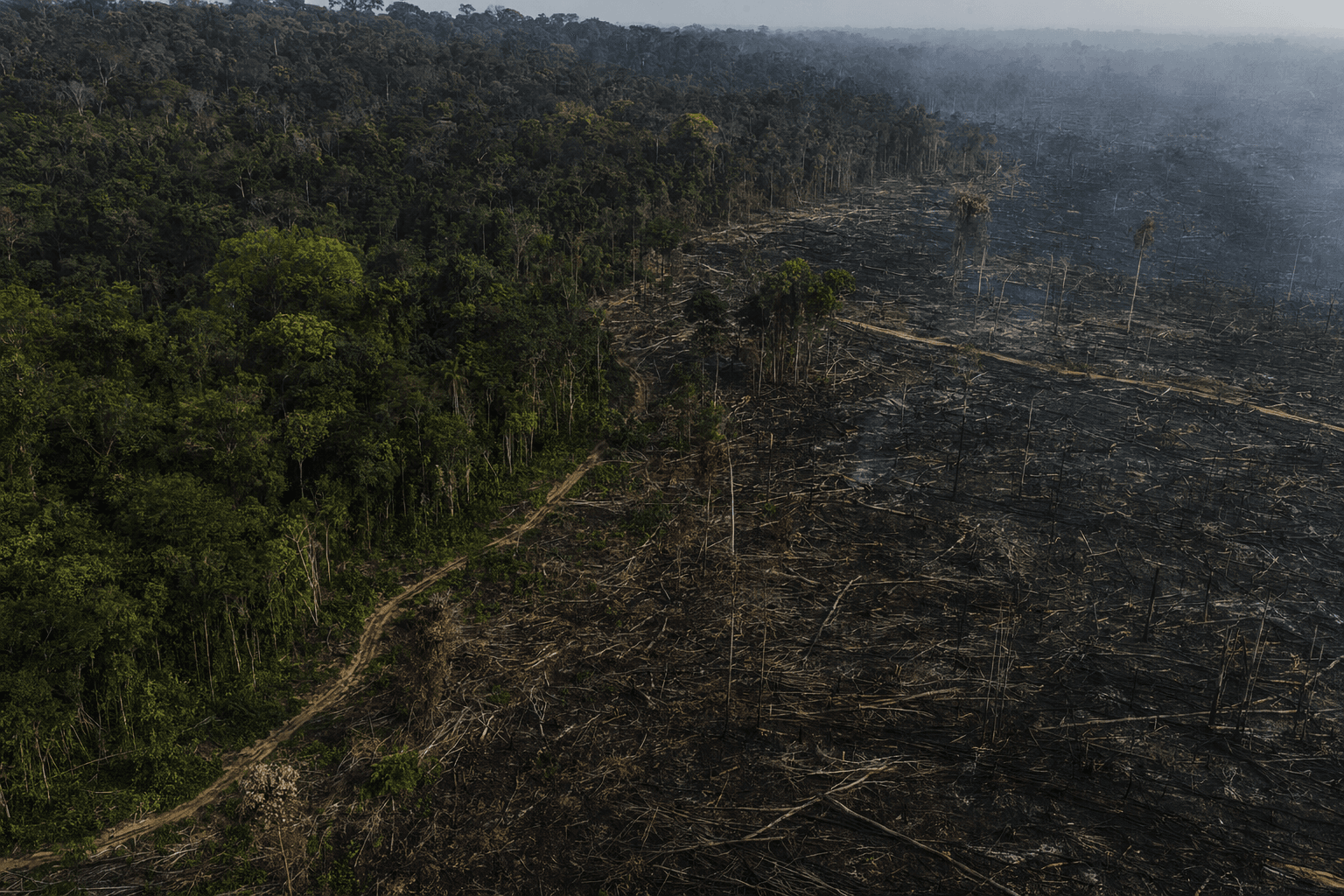
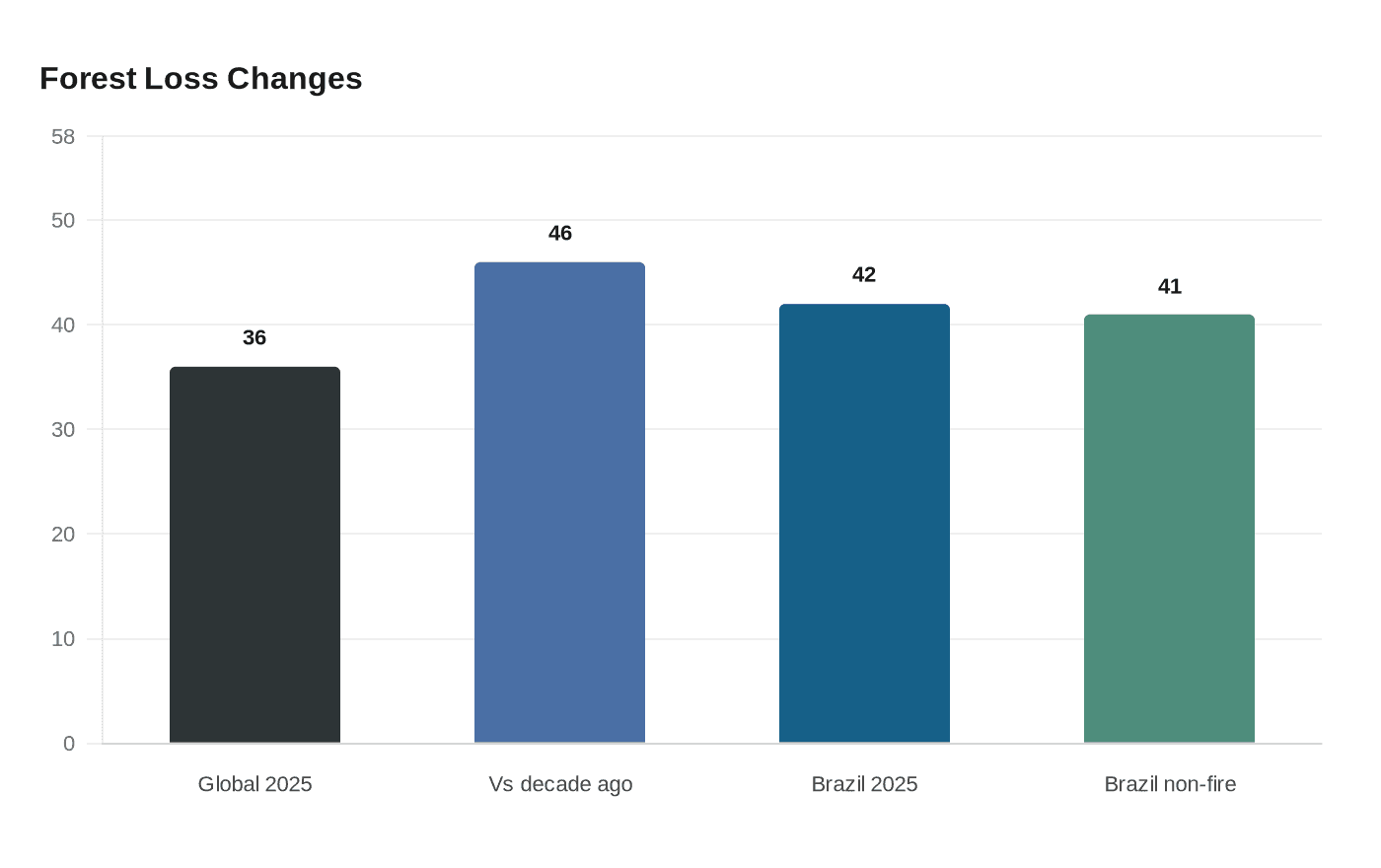
Deforstation eased in 2025, but the relief was partial and fragile. Global tropical primary forest loss fell 36% from the record-shattering pace of 2024, yet the world still lost 4.3 million hectares of tropical primary forest, more than 11 football fields every minute. That remains 46% higher than a decade ago, a sign that slower chainsaws and land clearing have not solved the bigger problem now shadowing the world’s forests: hotter, drier conditions that make fire harder to stop.
World Resources Institute’s Global Forest Watch, using new data from the University of Maryland’s GLAD lab and published through Global Forest Watch and Global Nature Watch, said the decline was driven in part by Brazil, where primary forest loss fell 42% in 2025 and non-fire primary forest loss dropped 41% to its lowest level on record. Brazil still had the largest area of tropical rainforest loss because its forests are so vast. Colombia, Indonesia and Malaysia also posted relatively low or stable forest loss compared with recent years.
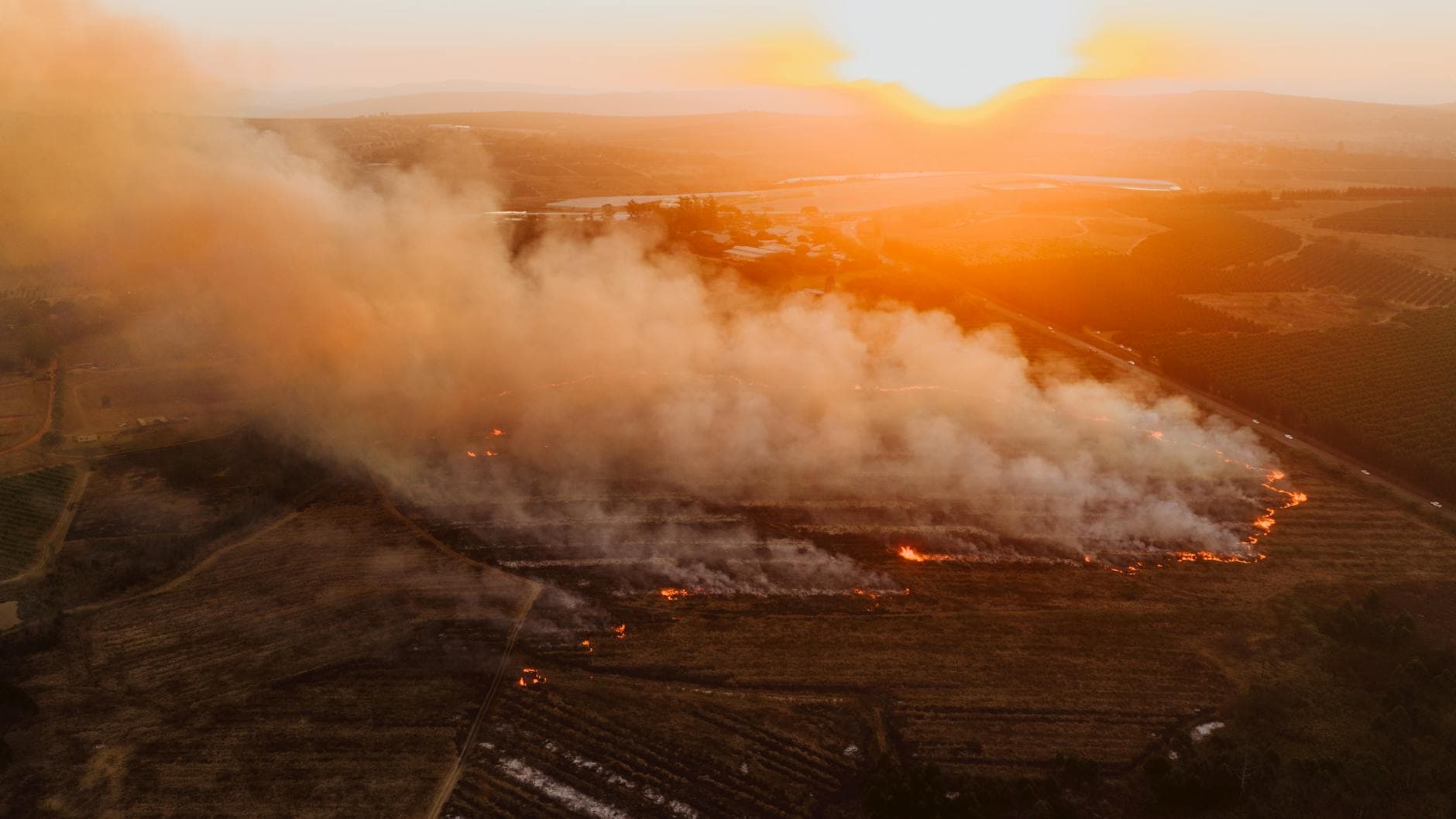
The broader picture is still alarming. WRI said 94% of deforestation occurs in the tropics, where losses are concentrated in some of the world’s richest carbon stores and biodiversity hot spots. The 2025 improvement came after 2024, when tropical primary forest loss reached 6.7 million hectares, nearly double 2023 and roughly the size of Panama. Fires, not agriculture, caused nearly 50% of that destruction for the first time in WRI’s record, up from an average of about 20% in prior years. Forest fires also emitted 4.1 gigatons of greenhouse-gas emissions, more than four times the emissions from all air travel in 2023.
Elizabeth Goldman, WRI’s co-director of Global Forest Watch, called the 2024 level of loss “a global red alert.” Rod Taylor, a WRI forest expert, said fires are now part of a “new amplifying effect” and a climate feedback loop that makes blazes more intense and ferocious than before. WRI said 2024 was the hottest year on record, and that four of the five worst years for global forest fires have occurred since 2020.
The policy gap is equally stark. More than 140 countries signed the Glasgow Leaders’ Declaration in 2021 to halt and reverse forest loss by 2030, but WRI says 17 of the 20 countries with the largest primary forests now have higher losses than when the pledge was signed. A separate WRI and Google DeepMind analysis found that 34% of forest lost globally between 2001 and 2024 is likely permanent, rising to 61% in tropical primary rainforests, where land-use change remains the main long-term threat. Even where forests regrow after fire, they often come back poorer, storing less carbon and carrying less ecological resilience than before.
This article was produced by Prism’s automated news system from verified source data, official records, and press releases, then run through automated quality and moderation checks before publishing. The system is built and supervised by the people who set the standards it runs under. Read our full AI policy.
Did this article answer your question?


