Ukrainian drone strike ignites major fire at Russia's Tuapse refinery
A drone strike set Tuapse’s refinery ablaze, hitting Russia’s Black Sea fuel hub for the third time in less than two weeks.
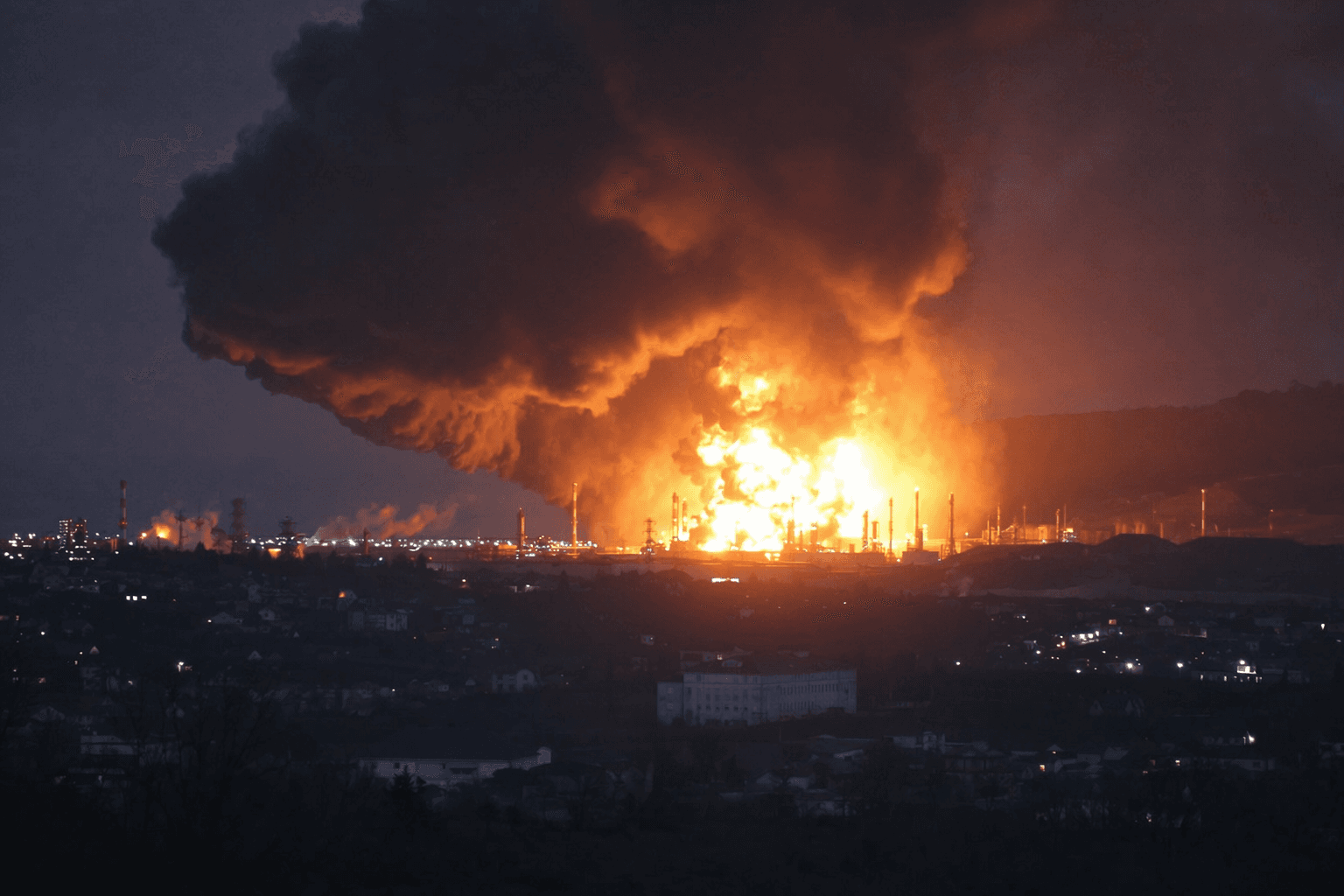
Ukrainian drones ignited a major fire at Russia’s Tuapse oil refinery, turning a Black Sea export hub into the latest pressure point in a campaign that is increasingly aimed at fuel logistics, not just explosions. Local officials ordered an evacuation near the site after the April 28 strike, underscoring how quickly a refinery fire can spill into public safety, shipping and regional emergency response.
The Tuapse facility matters because it sits at the center of Russia’s southern petroleum network. Rosneft says the refinery’s first-stage processing unit has a capacity of 12 million tonnes of oil a year, and it mainly produces export-bound products including naphtha, diesel, fuel oil and vacuum gas oil. Damage there is not only a local industrial setback. It hits a port and refinery combination that helps move, process and export Russian fuel across the Black Sea.
The fire followed two earlier blows in April. Reporting on the facility said operations had already stopped after a drone attack on April 16, and a second strike on April 20 damaged port transport infrastructure and oil storage tanks, preventing loading and stopping processing altogether. Those earlier blazes reportedly burned for days, with a smoke plume stretching far beyond the refinery grounds and raising environmental concerns along nearby shoreline and waterways. The April 28 strike was the third attack on the Tuapse port and refinery area in less than two weeks.
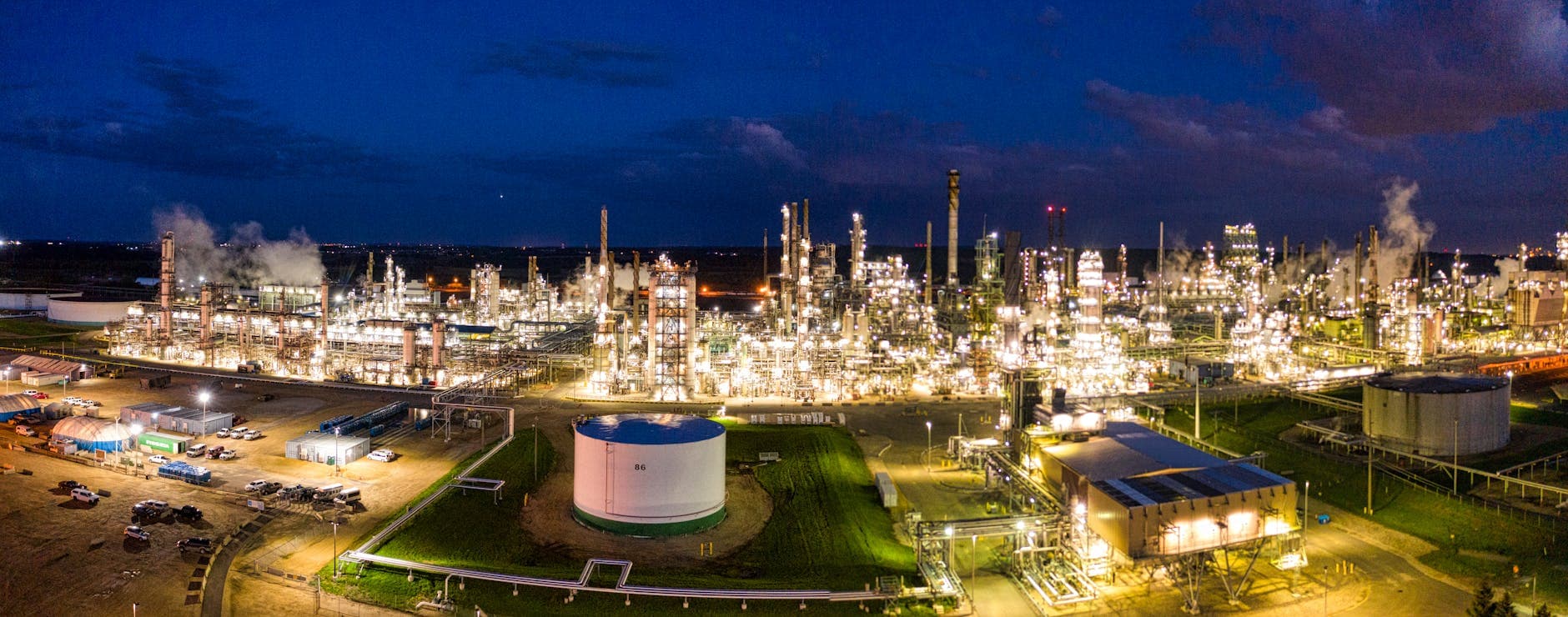
That repeated pattern is what gives the Tuapse attacks strategic weight. Each hit forces Russian authorities to spend more on air defense, repairs, fire suppression and emergency response, while also creating uncertainty for shipping and fuel flows on Russia’s Black Sea coast. The damage does not need to be total to be disruptive. A refinery that cannot load product, move barrels or run at full capacity still imposes a cost on Moscow’s war economy.
The site has been hit before as well, including in January 2024 and May 2024, showing that Tuapse has long been vulnerable to long-range Ukrainian strikes. On April 28, Vladimir Putin said Ukraine was increasing attacks on civilian infrastructure in Russia, citing Tuapse. Moscow has framed the refinery fire as part of that broader pattern, while Kyiv has increasingly treated Russian refining and export capacity as part of the machinery sustaining the war. The result is a campaign that is no longer about isolated blasts, but about wearing down the endurance of Russia’s energy system one chokepoint at a time.
This article was produced by Prism’s automated news system from verified source data, official records, and press releases, then run through automated quality and moderation checks before publishing. The system is built and supervised by the people who set the standards it runs under. Read our full AI policy.
Did this article answer your question?


