GM plans software update to let EVs send power back to grid
GM is adding grid-selling software to some EVs, with California and Texas first and a Michigan pilot already running with 30 employees.
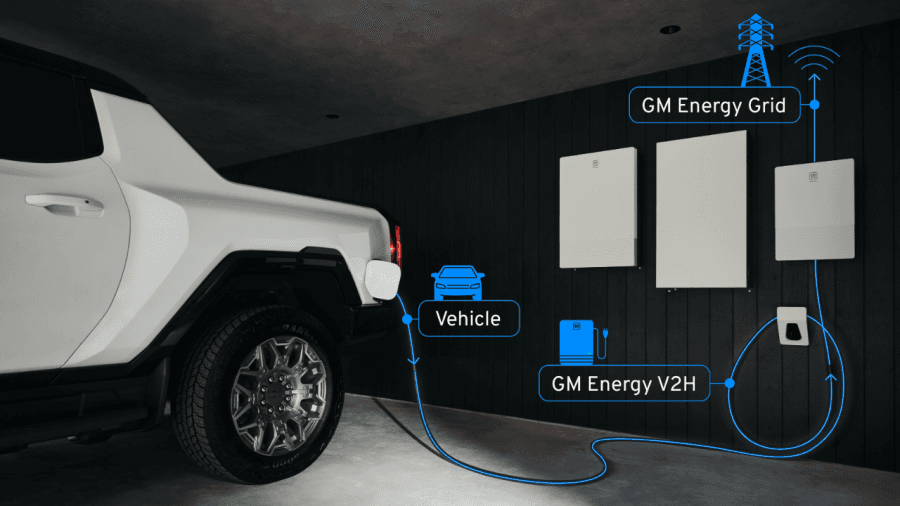
General Motors is preparing a software update that would let some U.S. electric-vehicle owners do more than power their homes in a blackout: they could also send electricity back to the grid and get paid when demand peaks. The move extends GM’s bidirectional charging push from vehicle-to-home backup power into vehicle-to-grid service, turning parked batteries into a new revenue source for drivers and a new resource for utilities.
The economics depend on participation. GM’s June 4 explainer says vehicle-to-grid works through utility programs where they are available, and that the setup can potentially save customers money while supporting local infrastructure. Pacific Gas & Electric Company says its vehicle-to-everything pilots offer incentives to help customers access bidirectional charging technology, and its current materials say the system can help households use EV batteries for backup power during outages or when electricity is more expensive during peak hours. GM and PG&E have described that broader bidirectional ecosystem as part of an all-electric lifestyle.
The hardware side is already taking shape. PG&E says GM Energy’s 19.2 kW bidirectional PowerShift charger and V2H Bundle enable compatible GM EVs to provide backup power to properly equipped homes during outages. GM says its compatible vehicles can connect to the local power grid through participating utility programs and send energy back during normal operations, but that model only works if utilities are willing to support it. GM says it is talking with around 10 utilities, while GM Energy says it already has thousands of vehicle-to-home users, though it has not disclosed the exact number.
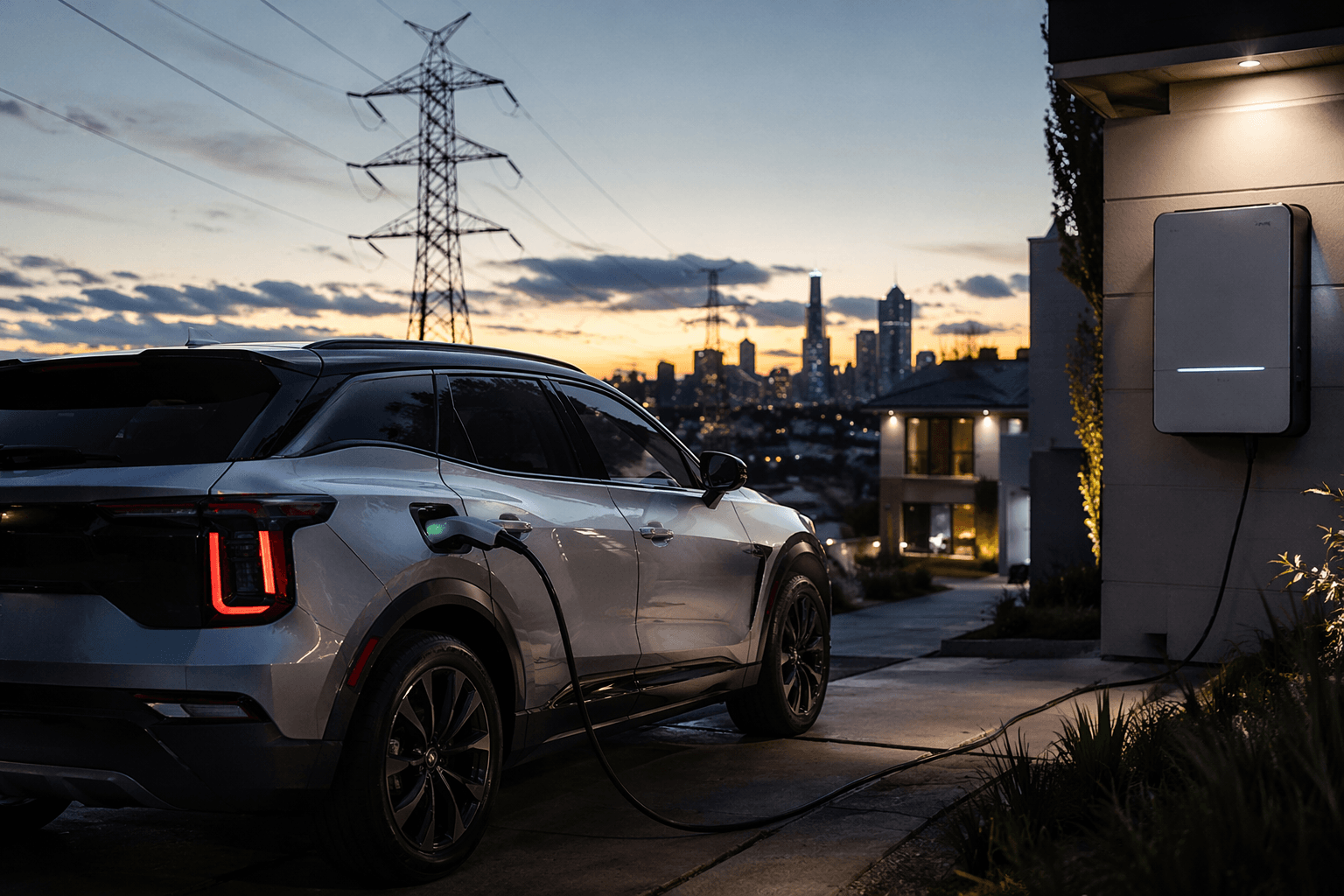
The rollout is expected to begin in California and Texas over the next few months, with a pilot already underway in Michigan involving 30 GM employees and DTE Energy. GM Energy chief revenue officer Aseem Kapur has said the company wants to prove the technology can work at scale, a point that matters because many utilities still worry about costs, uncertain demand and whether enough customers will sign up to make the model pay.
The June 9 announcement fits a larger race among automakers to turn batteries into grid assets, not just transportation hardware. Ford has experimented in the same space, and Tesla has long wrapped home and grid power into its ecosystem. GM Energy’s June letter to utilities and regulators made the broader case plainly: sharing energy between EVs and the grid can aggregate storage capacity. During heat waves and winter storms, when the grid is under strain, millions of parked cars could eventually become a flexible reserve. For now, the question is whether the hardware, the utility rules and the customer economics can all line up fast enough to matter.
This article was produced by Prism’s automated news system from verified source data, official records, and press releases, then run through automated quality and moderation checks before publishing. The system is built and supervised by the people who set the standards it runs under. Read our full AI policy.
Know something we missed? Have a correction or additional information?
Submit a Tip