Gold coin sellers may get less than spot price, dealers say
A one-ounce Gold Eagle can sell for less than spot once dealer spreads and buyback terms kick in. The gap is real, and right now it can be hundreds of dollars per coin.
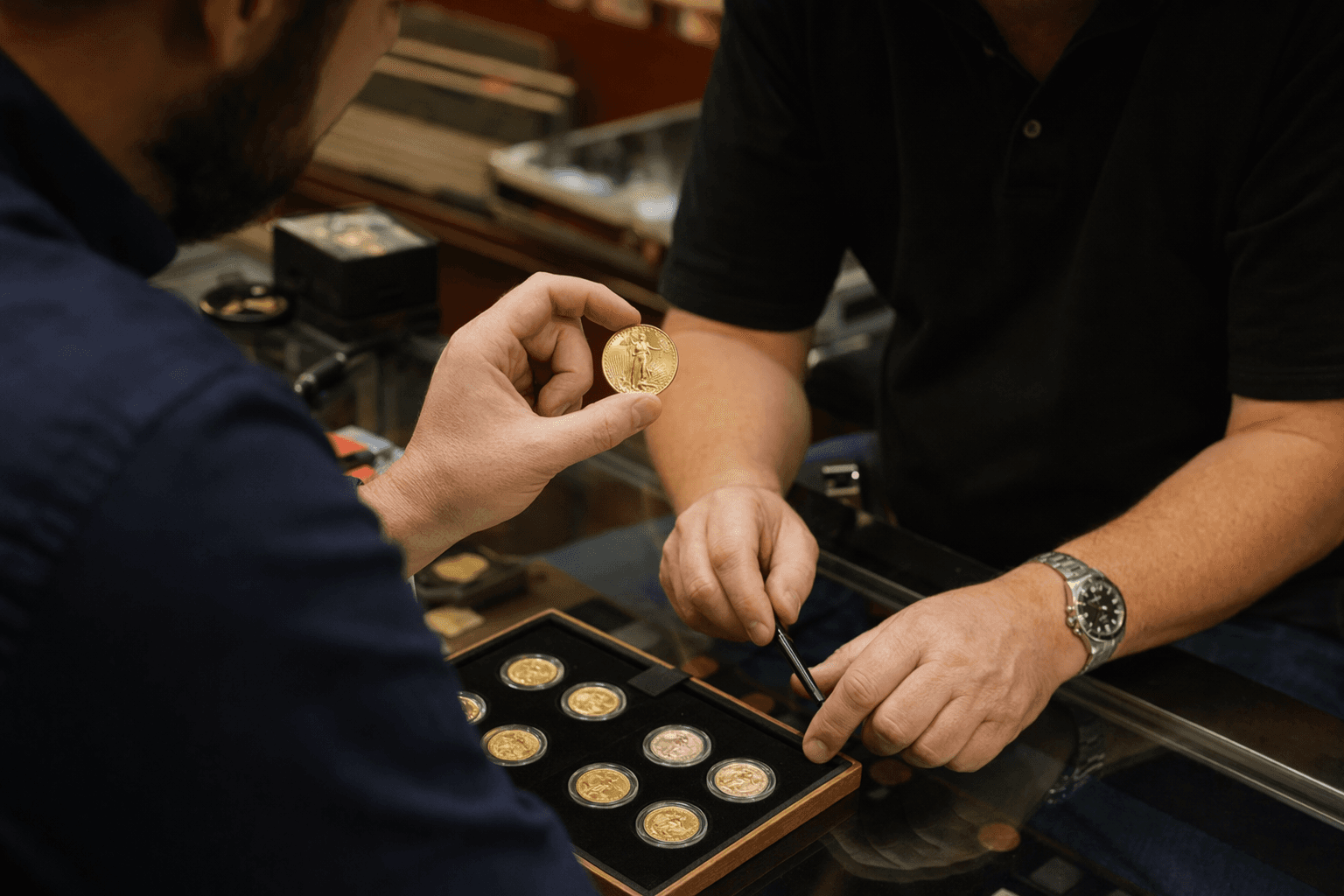
Why a one-ounce Gold Eagle can fetch less than spot
A one-ounce American Gold Eagle looks like a simple way to cash in on record gold prices, but the amount you actually receive is shaped by more than the day’s spot quote. On April 28, 2026, APMEX showed gold spot at $4,612.80 an ounce, while its American Gold Eagle ask price was $4,852.79, a gap of about $240 that shows how retail coin pricing runs above melt value. That is the first lesson for sellers: the market price of gold is not the same thing as the buyback price for a specific coin.
The American Gold Eagle is a 22-karat coin that contains one troy ounce of pure gold, and that purity makes it easy to value against spot. But the coin is not sold as raw metal, it moves through dealer networks and buyback programs that build in spread, shipping, insurance, authentication, and margin. In practice, that means a seller is rarely paid the full headline price that appears on a chart.
How the spread works in real life
The difference between spot and what a dealer will pay is where many sellers lose money. A dealer’s ask price, such as APMEX’s $4,852.79 quote, reflects what a buyer would pay to acquire the coin, not what a seller will receive when unloading it. If a dealer later buys the same coin back, the bid will usually sit below that ask to cover market risk and operating costs.
Condition matters too. A well-preserved bullion coin with no damage or heavy wear is easier to resell than a scratched or mishandled coin, and collectible versions may be priced differently from standard bullion pieces. The U.S. Mint says American Eagle gold coins are made in one-ounce, one-half-ounce, one-quarter-ounce, and one-tenth-ounce sizes, and it also says American Eagle Gold Proof Coins are collector versions struck at West Point and bearing the W mint mark. Proof pieces, especially those with original packaging, can trade differently from ordinary bullion because collectors value presentation and scarcity, not just gold content.
That distinction is crucial. A bullion coin is mainly judged on gold weight and dealer spread. A collectible coin can command a premium, but only if the market recognizes it as such and the piece is in strong condition.
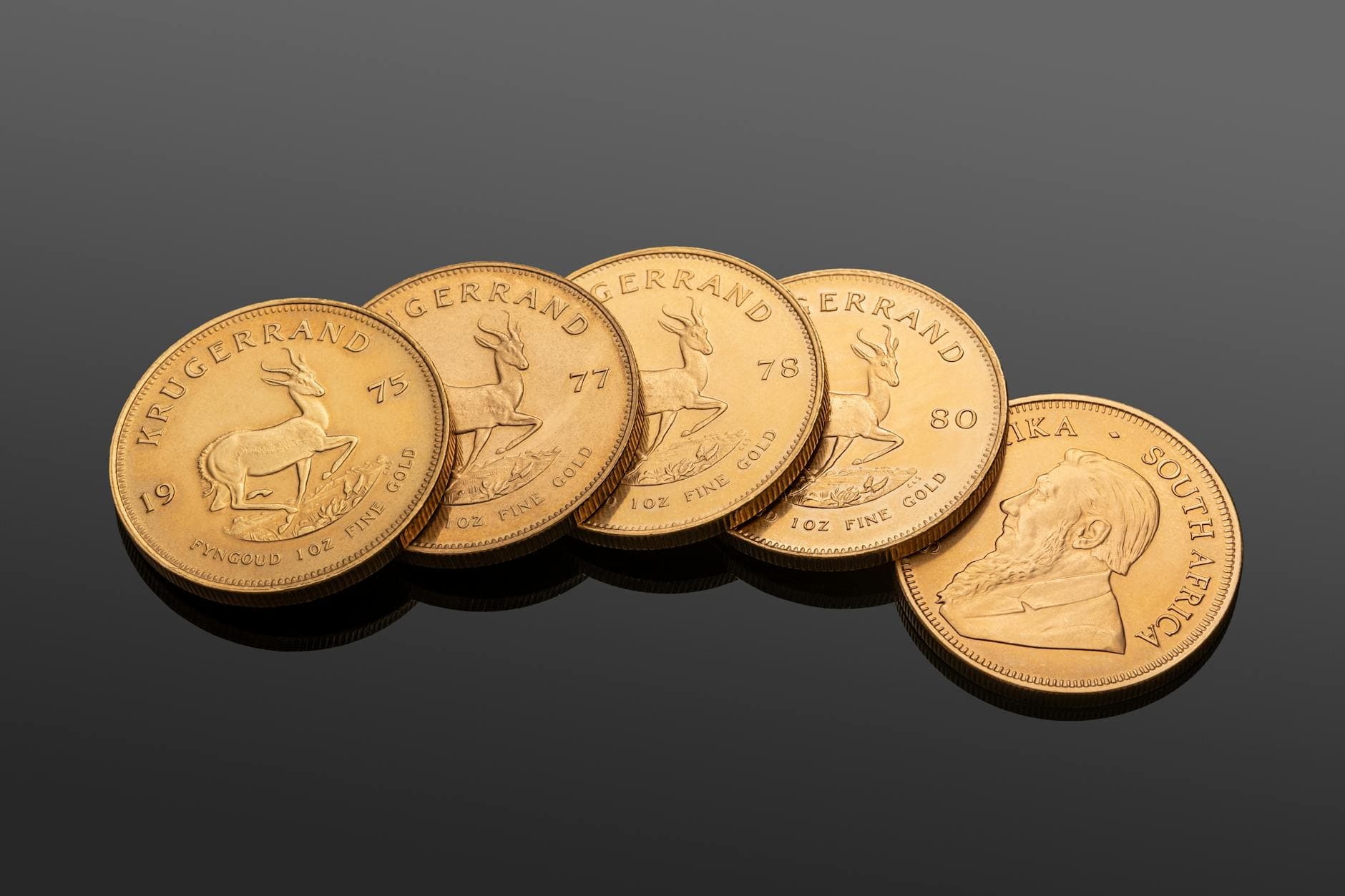
Why gold’s rally matters to sellers
The temptation to sell now is understandable because gold has been unusually strong. The World Bank said gold rose about 41% in 2025, with demand up 10% in the first three quarters of the year compared with the same period a year earlier. It also said central banks accounted for nearly 25% of total gold demand in 2024, up sharply from 12% in 2015 to 2019, a sign that official-sector buying has become a major support for prices.
That demand backdrop helps explain why forecasts keep moving higher. Reuters reported on April 27, 2026, that analysts had raised annual gold forecasts, pointing to central bank demand and economic uncertainty. Late-April coverage also said gold was trading near $4,700 an ounce before pulling back. The broader message is that gold remains elevated, but even in a strong market, the seller’s take-home price still depends on dealer economics, not just the metal chart.
The World Bank went further, saying precious metal prices were projected to reach new all-time highs in 2026. For coin owners, that does not guarantee a better sale price from a dealer, but it does explain why buyback markets are active and why spreads remain important. When prices are high and volatile, dealers often widen cushions between what they charge and what they pay.
What dealer buyback programs actually do
Selling through a major dealer is usually straightforward, but the structure still favors the dealer’s risk management. APMEX says its sell-to-us process locks in a price, uses insured shipping, and typically remits payment within two business days after receipt and authentication. That creates speed and convenience, but it also means your payout is tied to the dealer’s quoted buy price, not the spot price you see on a market screen.
Kitco runs a similar model. It offers a 24/7 online selling process for gold and silver bullion, with free shipping and insurance, and it says payment is sent once the metals are received and verified. Its process is built around choosing the coin, locking in a rate, shipping with a prepaid label, and waiting for verification before payment. These services are useful when security matters, but they also show that selling a coin is a transaction with built-in friction, not an instant exchange at the chart price.

There are practical thresholds too. APMEX says its minimum purchase amount is $1,000, and Kitco says a $5,000 minimum applies on physical bullion orders. Those minimums tell you something about the dealer channels themselves: they are designed for meaningful ticket sizes, not casual one-coin liquidations. A single one-ounce Gold Eagle may qualify, but the pricing framework is still built for larger bullion flows.
What a seller should check before cashing out
Before accepting a buyback offer, it helps to know exactly which coin you own and how it will be classified. A standard 1-ounce American Gold Eagle bullion coin is priced primarily on gold content plus dealer spread. A proof coin, especially one struck at West Point and kept with its mint presentation, may carry a collector premium if the market wants it.
A simple checklist can prevent a costly mistake:
- Confirm whether the coin is bullion or proof.
- Check the dealer’s buyback quote, not just the retail ask price.
- Compare the quoted payout with the current spot price.
- Look for fees, shipping terms, and insurance coverage.
- Make sure the payment timeline fits your needs.
The most important point is that spot price is only the starting line. On a one-ounce American Gold Eagle, the dealer spread, coin premium, condition, and buyback terms can easily turn a record gold market into a payout that is meaningfully lower than the number flashing on the screen. That is why a strong gold price does not automatically translate into a strong resale check.
This article was produced by Prism’s automated news system from verified source data, official records, and press releases, then run through automated quality and moderation checks before publishing. The system is built and supervised by the people who set the standards it runs under. Read our full AI policy.
Did this article answer your question?

