Pet insurance gains appeal as veterinary bills and costs rise
Rising vet bills are turning pet insurance into a budget question, but deductibles and exclusions still decide whether it really pays off.
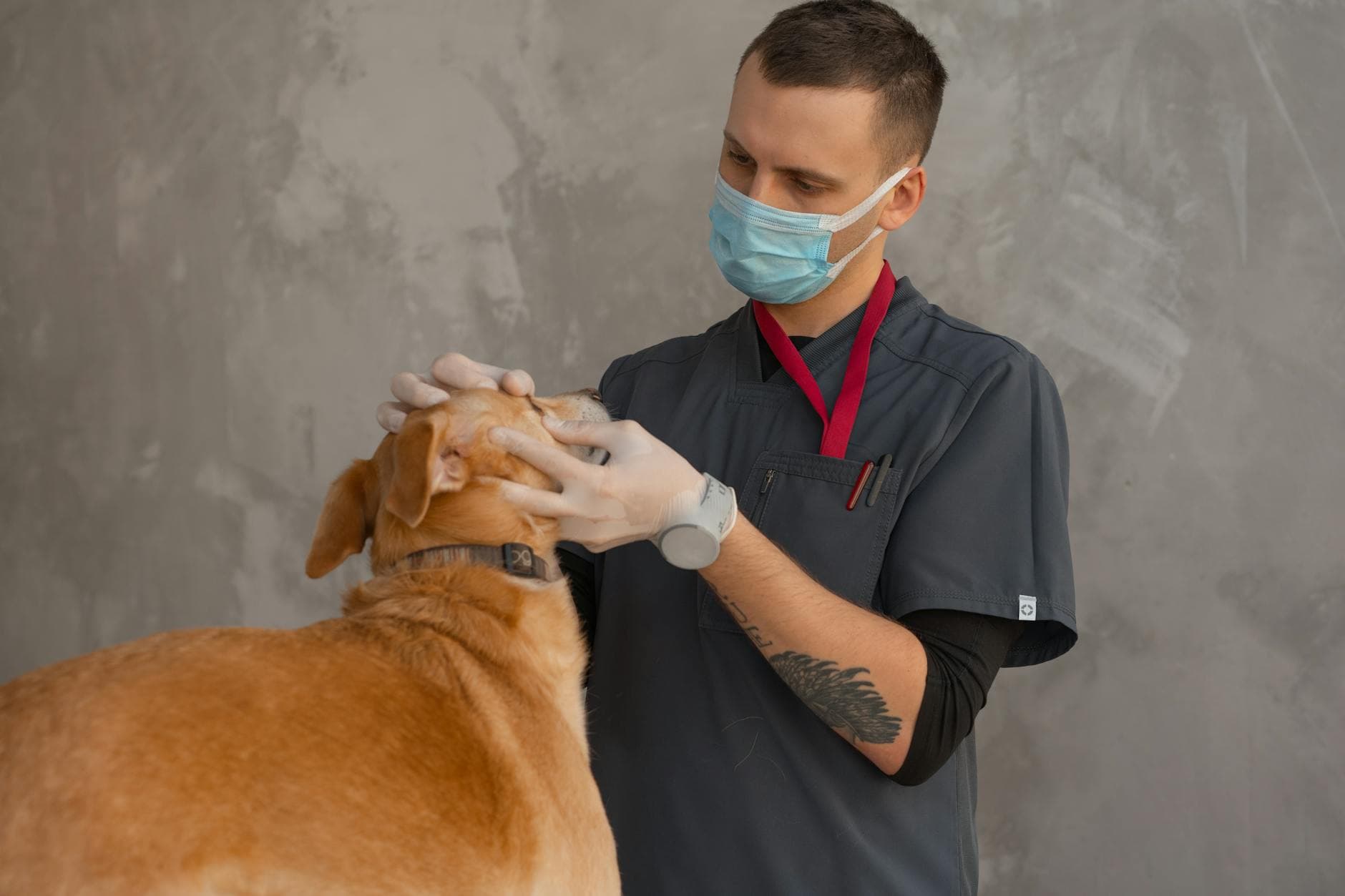
Veterinary bills are forcing a harder consumer-cost test
Pet insurance is drawing more attention because veterinary care is getting more expensive and less predictable for households. The American Veterinary Medical Association says modern medicine depends on more advanced equipment, facilities, and training, and the North American Pet Health Insurance Association says 7.03 million pets were insured across North America at the end of 2024, with written premium reaching $5.2 billion.
That cost pressure is showing up in clinic behavior too. The AVMA and VetSource reported that small-animal clinic visits were down 4.6% year over year in early May 2024, and they said clinics should lean more on treatment alternatives and clearer affordability conversations. In other words, pet owners are already making care decisions with price in mind, even before a claim ever enters the picture.
Why the market is expanding so quickly
The numbers help explain why insurers are seeing more demand. NAPHIA says its data represent about 99% of written pet health insurance premium in the United States and Canada, and its 2025 report showed insured pets rising 12.2% from 6.25 million in 2023 to 7.03 million in 2024. The same report said written premium climbed 20.8% from $4.2 billion to $5.2 billion.
The U.S. market has been climbing even faster over a longer stretch. An AVMA Journal summary of the 2025 NAPHIA report said U.S. gross written premium has more than doubled from $2 billion since 2020. That is a sign of mainstream adoption, but not a guarantee that every policy saves money for every household.
Where pet insurance can help
The basic case for insurance is straightforward. The AVMA says pet health insurance can offset some or most of the costs of diagnosing, treating, and managing a pet’s illness or injury. That matters most when a dog faces a major surgery, repeated diagnostics, or a chronic condition that turns a one-time bill into a recurring expense.
The reality check is that insurance is designed to cushion shocks, not erase every bill. For a household that could be destabilized by one emergency visit or a long treatment plan, the policy may provide meaningful financial protection. For a household that mainly wants coverage for routine care, the monthly premium can look less like a safety net and more like another fixed cost.
Where the fine print changes the math
This is where many owners discover that pet insurance is not a blank check. The NAIC says pet insurance typically includes exclusions, several coverage levels, deductibles, and payment limits. It also says most policies exclude pre-existing conditions and hereditary or congenital conditions, and some insurers use waiting periods or age-based rules before benefits begin.
That fine print matters because breed-linked risk often shows up through those hereditary and congenital conditions. If a dog is more prone to a genetic problem, a policy that excludes those conditions can leave the owner paying for the very risk that made insurance attractive in the first place. The cheaper plan may simply be the one that covers less.
How to judge whether it is worth it for your dog
The most useful way to think about pet insurance is as a stress test for your household budget. If a $2,000 or $5,000 surprise bill would force you to drain savings or make a hard trade-off, insurance can be worth comparing carefully. If you already have the cash set aside, the decision turns on whether the deductible, exclusions, and limits still leave enough protection to justify the premium.
Before buying, focus on the policy details that most often decide value:
- Whether the plan is accident-only, accident and illness, or includes wellness coverage.
- Which conditions are excluded, especially pre-existing, hereditary, and congenital conditions.
- How high the deductible is, and whether there are annual or per-condition payment limits.
- Whether there are waiting periods or age-related underwriting rules that could affect coverage when you need it most.
The bottom line
The surge in premiums and insured pets shows that more owners are treating veterinary care as a real financial risk, not a discretionary splurge. But the same data that point to growth also make the consumer warning clear: with 7.03 million insured pets, $5.2 billion in North American premium, and a U.S. market that has more than doubled since 2020, the value of pet insurance still comes down to whether the policy matches your dog, your breed’s risks, and your ability to absorb the costs it does not cover.
This article was produced by Prism’s automated news system from verified source data, official records, and press releases, then run through automated quality and moderation checks before publishing. The system is built and supervised by the people who set the standards it runs under. Read our full AI policy.
Did this article answer your question?
%3Amax_bytes(150000)%3Astrip_icc()%2FCertificate-of-deposit-2301f2164ceb4e91b100cb92aa6f868a.jpg&w=1920&q=75)