Goldman Sachs CEO warns high oil prices could shift consumer spending
High fuel costs are already squeezing low-income households, and Goldman Sachs warns the pressure could soon hit driving, travel and discretionary spending.

High oil prices are moving from Wall Street concern to household-budget threat. Goldman Sachs chief executive David Solomon said in New York that if inflation stays elevated, consumers could start changing how they spend in the second half of 2026, with the first shifts likely to show up in driving, travel and other discretionary outlays.
The warning lands at a moment when energy is already doing visible damage to the inflation picture. The U.S. Bureau of Labor Statistics said the Consumer Price Index for all urban consumers rose 0.6% in April and 3.8% over the prior 12 months. Energy prices climbed 3.8% in the month and accounted for more than 40% of the monthly increase, while gasoline prices were up 28.4% from a year earlier. That is the kind of move that quickly filters into family budgets, because fuel is not an optional purchase for commuters, ride-hail drivers or anyone who depends on a car to get to work.
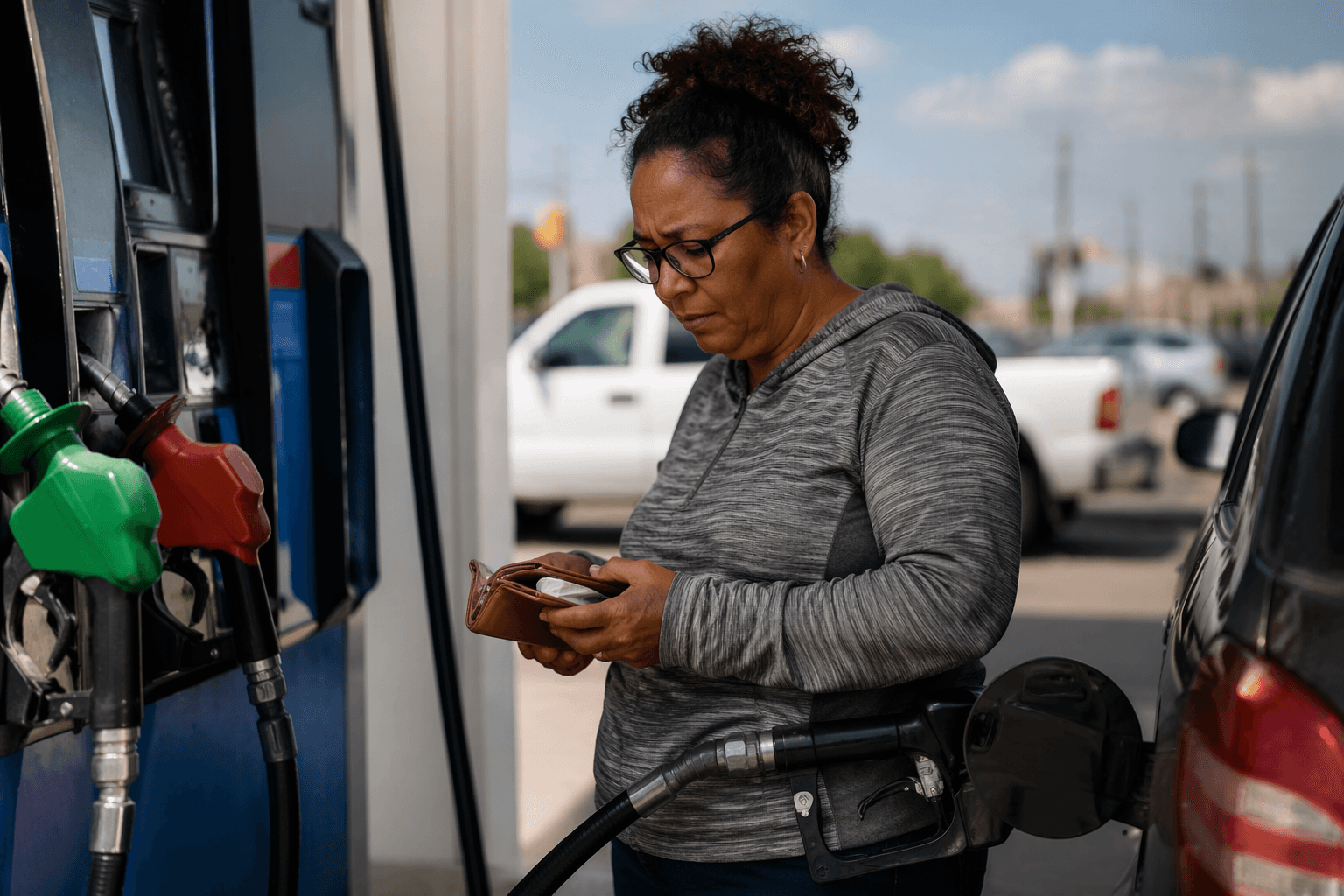
Goldman Sachs Research has already said disruptions to oil flows from the Middle East are having a measurable impact on U.S. consumer spending, with low-income households taking the biggest hit. The bank has twice cut its 2026 forecast for growth in discretionary cash inflow, a measure of money left after bills are paid and the first dollars that typically get squeezed when gasoline, heating and utility costs rise. That is where the pain usually starts: fewer extra miles driven, fewer road trips, less willingness to order delivery, and more pressure to trade down on groceries and nonessential purchases.
Solomon linked that backdrop to a broader inflation story that could keep the Federal Reserve on the sidelines for longer. He said he had strong confidence in the Fed and its leadership, while economists have increasingly expected interest rates to remain unchanged well into next year. For households, a prolonged pause would mean high borrowing costs and high fuel costs at the same time, a combination that can delay big-ticket purchases and push consumers to keep spending concentrated on essentials.
The remarks came at an Economic Club of New York luncheon with Solomon on Tuesday, June 2, 2026, from 11:30 a.m. to 1:30 p.m. ET. He also said there was “more greed than fear” in the AI investment environment, underscoring a split-screen economy in which capital markets still look buoyant even as fuel inflation threatens to narrow what ordinary consumers can afford.
This article was produced by Prism’s automated news system from verified source data, official records, and press releases, then run through automated quality and moderation checks before publishing. The system is built and supervised by the people who set the standards it runs under. Read our full AI policy.
Know something we missed? Have a correction or additional information?
Submit a Tip