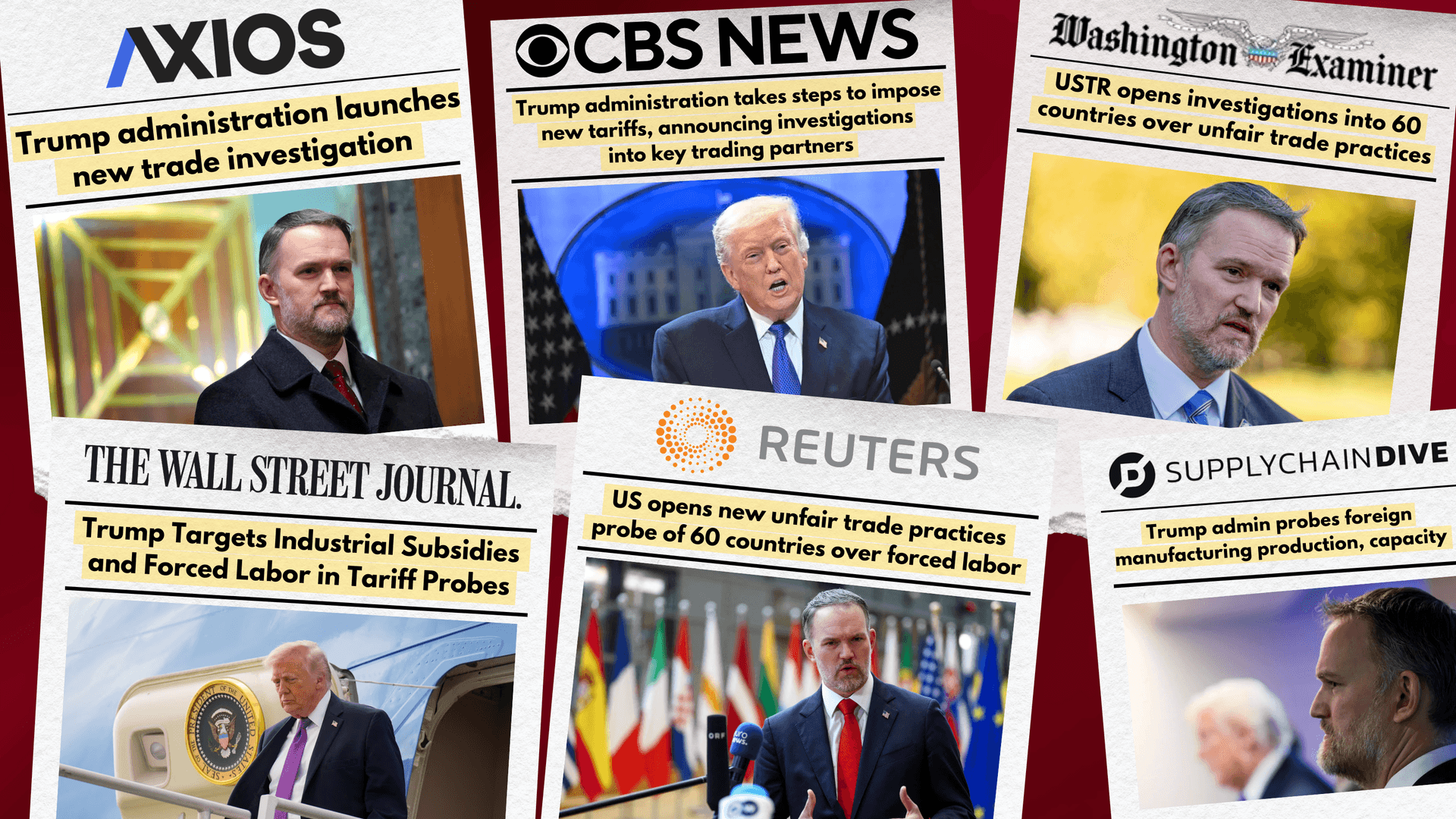
U.S. opens comment process for China tariff cuts on low-risk goods
Washington has opened a formal docket for possible tariff cuts on low-risk Chinese goods, with comments due July 10 and rebuttals due July 27.

Tariff cuts on low-risk Chinese goods could reach consumers first through everyday imports, parts and inputs that feed U.S. factories, and the shelves stocked by retailers, as Washington opened a formal comment process for a new trade mechanism with Beijing.
The Office of the United States Trade Representative said June 2 that it is seeking input on specific types of non-sensitive products that could qualify for tariff modifications on both sides. Comments are due July 10, and rebuttals or responses to those comments can be filed in a separate public docket by July 27, 2026. The process is the first formal step toward putting in place a U.S.-China Board of Trade, a government-to-government mechanism meant to manage bilateral trade on an ongoing basis.
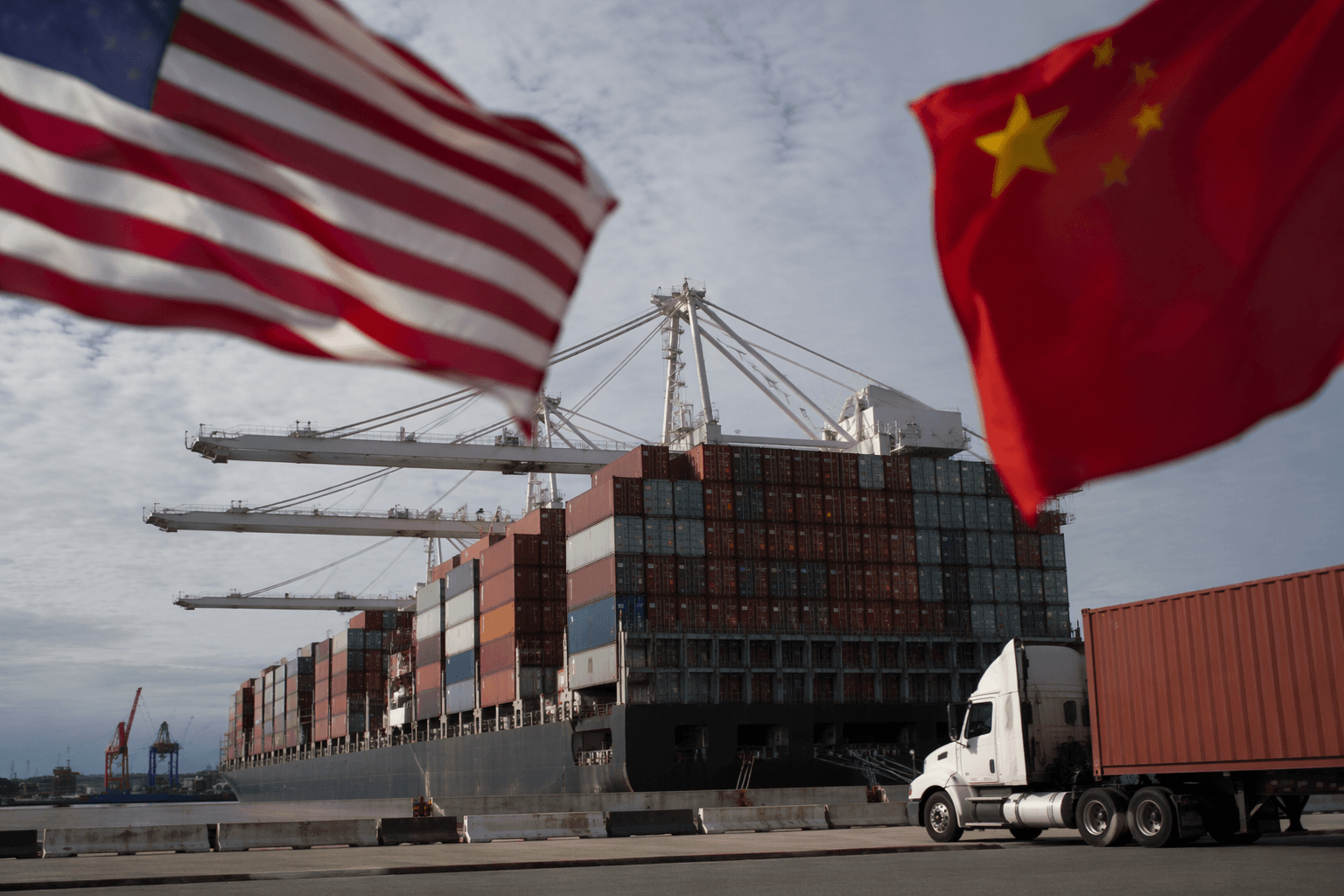
The initial scope could touch roughly $30 billion in goods on each side, a sign that the administration is not talking about a blanket rollback but a tightly managed carve-out. That matters for importers and retailers weighing price relief against uncertainty, because the categories under review are described as non-sensitive rather than strategic. If the process produces exemptions, the earliest effects would likely show up in product lines with thinner margins and more complex supply chains, especially where tariffs have been passed through to wholesalers and store prices.
Jamieson Greer, who has been a central figure in the administration’s China tariff strategy, said the effort should deliver results for American farmers, ranchers, fishermen, small businesses, manufacturers and workers. He also said tariffs would still be used to defend U.S. economic and national security, underscoring that the White House is not abandoning the broader tariff framework. Before the notice was issued, Greer said U.S. tariffs on Chinese goods would likely remain higher than those on other countries, and described the approach as “managed trade.”
The move follows the mid-May summit in Beijing between Donald Trump and Xi Jinping, where U.S. and Chinese officials agreed in principle to establish the board concept. The White House said the China visit was the first by a U.S. president to the People’s Republic of China since 2017 and produced “historic deals” and greater market access for American farmers, ranchers, workers and businesses.
For now, the comment docket suggests a technical, selective tariff adjustment rather than a wholesale reset in U.S.-China trade policy. The long-term significance will depend on whether Washington uses the board to make narrow inflation-management changes, or turns it into a durable channel for easing pressure on trade in goods that are politically sensitive but not strategically vital.
This article was produced by Prism’s automated news system from verified source data, official records, and press releases, then run through automated quality and moderation checks before publishing. The system is built and supervised by the people who set the standards it runs under. Read our full AI policy.
Know something we missed? Have a correction or additional information?
Submit a Tip