US proposes tariffs of at least 10% over forced labor gaps
A forced-labor probe could push tariffs of 10% to 12.5% on imports from 60 economies, a move that would ripple through U.S. prices and sourcing.
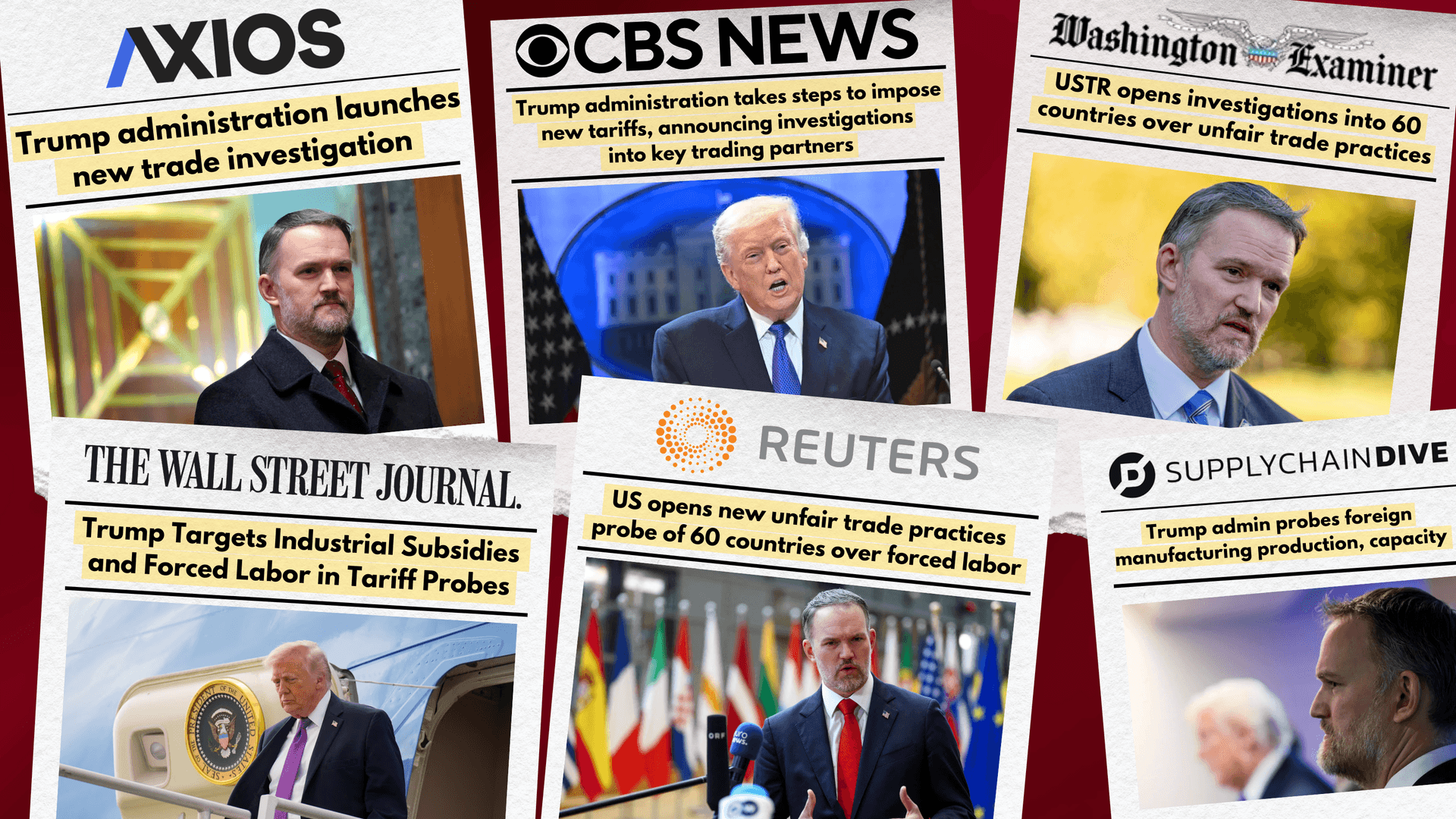
U.S. shoppers and manufacturers could soon feel the effects of a sweeping new tariff plan tied to forced-labor enforcement, with the Trump administration proposing duties of at least 10% on imports from 60 economies that account for about 99% of U.S. trade. The shift would not just target a narrow set of offenders. It would raise the cost of goods from major partners and could force companies to rethink sourcing across apparel, electronics, machinery and other supply chains that depend on imported inputs.
The Office of the U.S. Trade Representative said the economies were found actionable under Section 301 of the Trade Act of 1974 because their failure to impose and effectively enforce bans on imports produced with forced labor was unreasonable and burdened U.S. commerce. The proposal sets rates of 10% for economies with a full or partial prohibition on forced-labor imports, including those that have committed to impose such a prohibition through a reciprocal trade agreement, and 12.5% for all other economies. Canada, Mexico, Taiwan and the United Kingdom would face the lower tier, while China, Japan, India, South Korea, Brazil and Switzerland would face the higher rate.
The proposal lands after a Section 301 process that began on March 12, 2026, when the trade office launched investigations into the same issue. Written comments were due April 15, 2026, and hearings ran from April 28 through May 1, 2026, before the latest finding. The legal foundation sits on top of the long-standing U.S. ban on imports made with forced labor under Section 307 of the Tariff Act of 1930, giving the administration a second lever to pressure trading partners and importers.
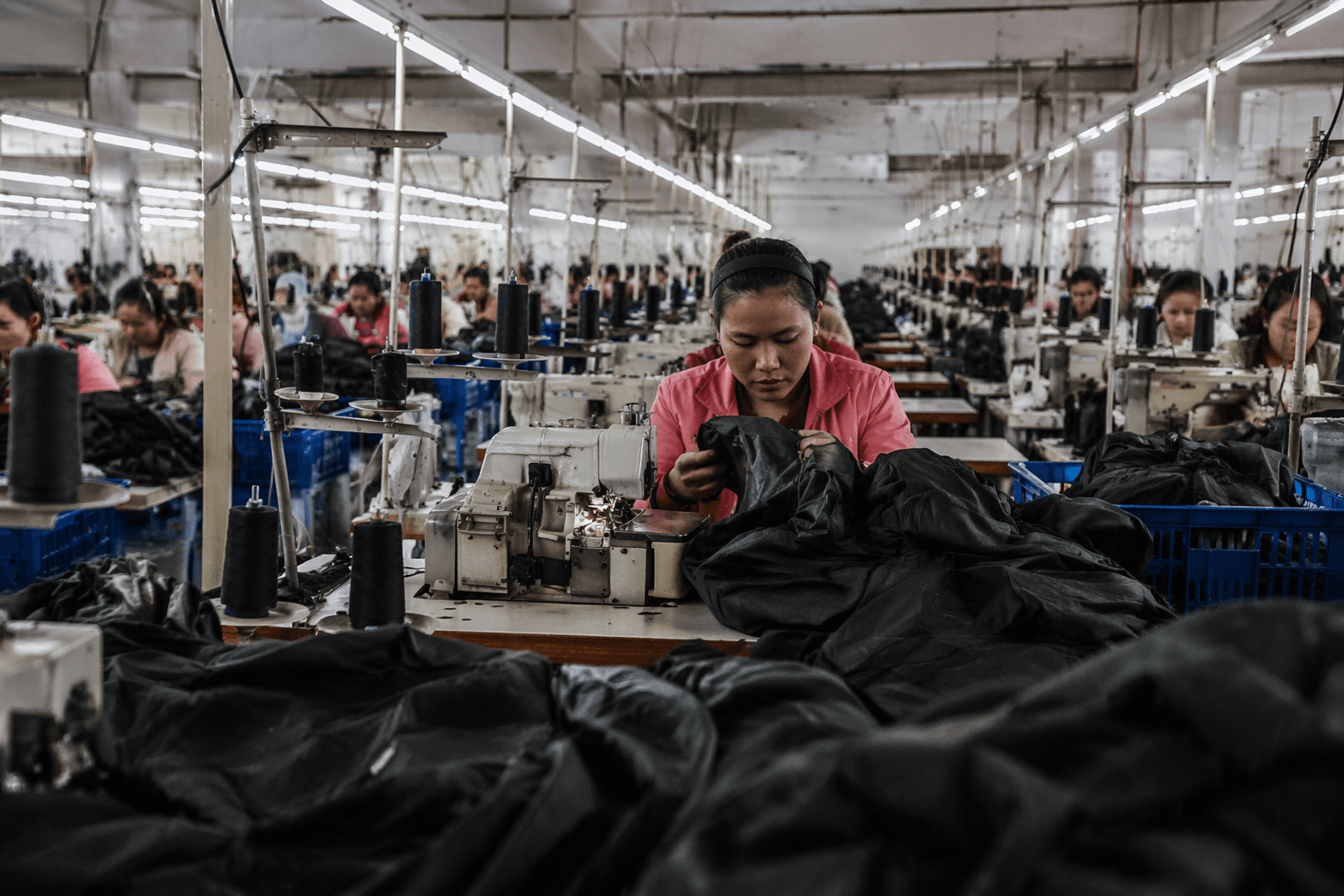
The trade office also proposed a separate textile mechanism that would allow a certain volume of apparel and textile imports from some economies to enter the United States at reduced rates, a signal that Washington is trying to balance enforcement with the needs of retail and clothing supply chains. The proposal is not final and still must complete the Section 301 process before taking effect, but it already marks a sharp escalation: a forced-labor probe is being converted into a broad tariff regime with consequences far beyond the countries directly targeted.
This article was produced by Prism’s automated news system from verified source data, official records, and press releases, then run through automated quality and moderation checks before publishing. The system is built and supervised by the people who set the standards it runs under. Read our full AI policy.
Know something we missed? Have a correction or additional information?
Submit a Tip