Google Earth brings hidden flight simulator to browsers worldwide
Google moved a hidden flight simulator into the browser, opening a 2007 Easter egg to anyone with a web connection instead of a download.
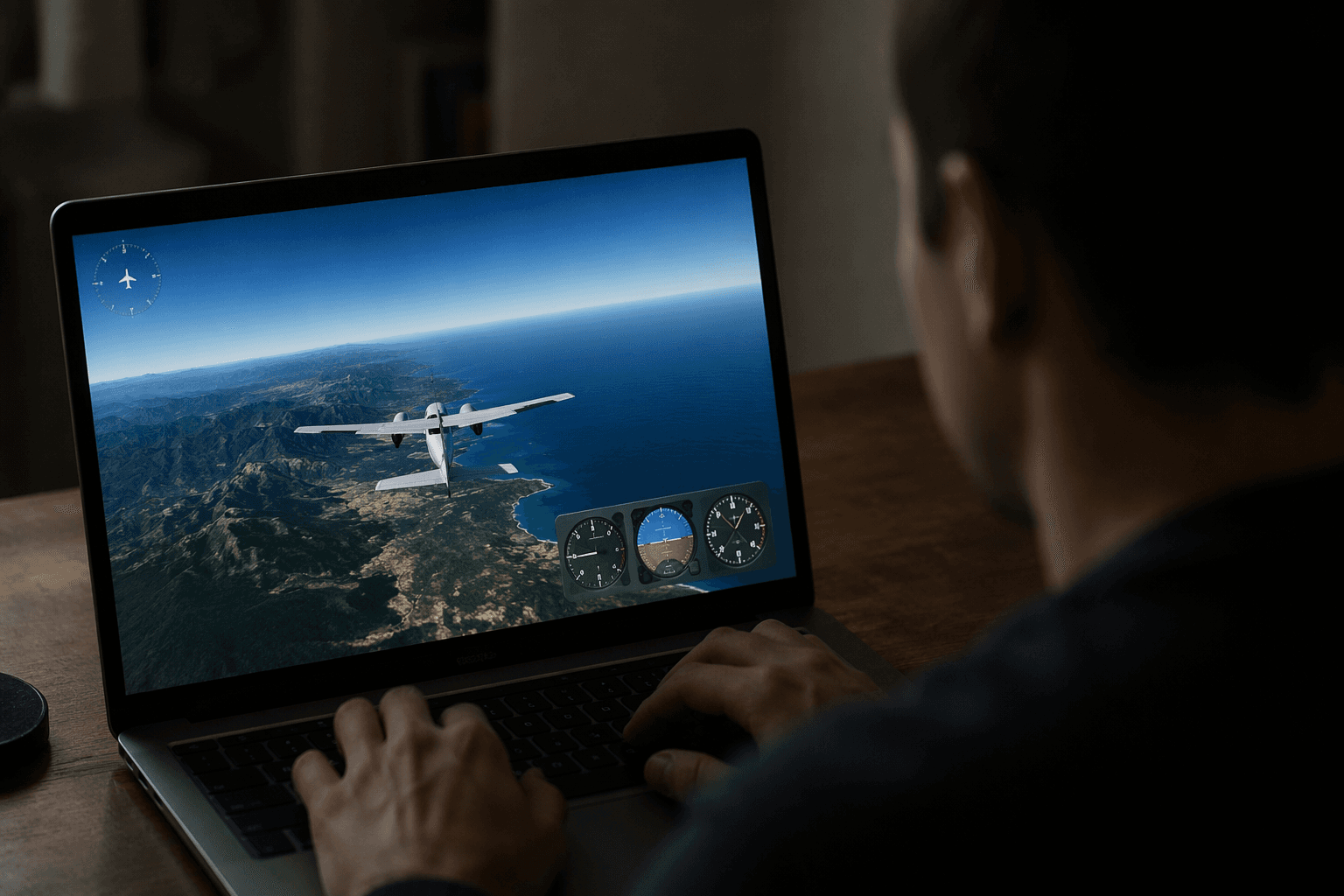
Google turned one of Google Earth’s oldest hidden tricks into a far easier experience to reach, putting its flight simulator directly in the browser and making it available globally to all users. What once lived inside the downloadable desktop app now opens from Google Earth’s Tools menu, cutting out the install step that kept the feature buried for years.
The shift matters less as a novelty than as a strategy. Google Earth’s web launch page says users can fly anywhere in seconds and explore hundreds of 3D cities right in the browser, using high-resolution satellite imagery, 3D terrain and 3D buildings. Google described the simulator as a casual experience meant for exploration and entertainment, not a high-fidelity aerodynamic tool or flight-training system.

The simulator itself has deep roots. It first appeared in Google Earth 4.2 in 2007 as a hidden Easter egg, then became an official feature in 2008. On desktop, Google Earth Help says it works on Mac, Windows and Linux machines with Google Earth installed, can be launched from the Tools menu or a keyboard shortcut, and can be flown with either a joystick or a mouse and keyboard. Users can pick an F-16 Fighting Falcon or a Cirrus SR22, then exit with the same shortcut used to open it.
Bringing that feature into the browser lowers friction in a way that fits Google’s broader Earth strategy. Earth for Chrome is already available in the browser, and Google says support is coming soon to more browsers. That wider reach gives the company a way to surface dormant tools to casual users, classrooms and people who would never have downloaded a desktop application just to test a hidden mode.
The timing also lands alongside a larger anniversary story. Google Earth launched in 2005 and was downloaded 100 million times in its first week. In 2025, Google said people searched for places in Google Earth more than 2 billion times over the previous year, a reminder that Earth remains a scale product built on curiosity. Moving the simulator into the browser extends that logic: the easier Google makes it to play with Earth’s data, the more likely people are to use it, whether for education, casual gaming or simply a few minutes of flight across the planet.
This article was produced by Prism’s automated news system from verified source data, official records, and press releases, then run through automated quality and moderation checks before publishing. The system is built and supervised by the people who set the standards it runs under. Read our full AI policy.
Know something we missed? Have a correction or additional information?
Submit a Tip