Google named backer of two Minnesota data centers as local opposition mounts
Google is publicly tied to a 1.8 million-square-foot Hermantown campus and a Pine Island project backing 1,900 MW of renewables, prompting lawsuits and community protests.

Google has been publicly identified as the company behind two large data-center initiatives in Minnesota, linking a proposed 1.8 million-square-foot campus on more than 200 acres in Hermantown with a separate Pine Island project tied to an Xcel Energy power agreement that will add 1,900 megawatts of new renewable capacity. The disclosures have touched off community backlash, litigation and a regulatory review that could shape how the state balances economic development with environmental and utility concerns.
The Hermantown proposal calls for a 1.8 million-square-foot campus on more than 200 acres near Duluth and involves Twin Cities developer Mortenson and an agreement with Minnesota Power. The utility deal includes a $5 million fund for low-income customers, a provision that some residents have rejected as insufficient. Hermantown resident Katie Hawkins criticized the lack of transparency, calling the low-income payment “a slap in the face,” and added, “Listen to the residents. We don’t want this.”
Google’s regional public affairs lead for data centers, Kate Franko, described Hermantown as “a natural fit for this project,” citing “a climate that supports air cooling as opposed to water, along with a resilient power grid and a dedicated and motivated workforce.” Still, opponents have raised concerns about water use, local land impacts and the secrecy that surrounded the project while ownership remained undisclosed to many residents.
In southeastern Minnesota, Xcel Energy said on Feb. 24, 2026 that it will power a Google data center in Pine Island under an electric service agreement that calls for a “large buildout of new clean energy projects.” That buildout totals 1,900 megawatts of new capacity: 1,400 megawatts of wind, 200 megawatts of solar and 300 megawatts of battery storage, with projects expected to come online in 2028 and 2029. Xcel said it will file the Electric Service Agreement with the Minnesota Public Utilities Commission in the coming weeks and that tariff mechanisms are designed to shield existing customers from infrastructure costs.
Xcel’s Minnesota president, Bria Shea, framed the deal as an economic and climate win, saying, “Data centers are the backbone of the 21st century economy, and we’re excited to work with Google to advance the prosperity of our region and ensure our current customers benefit.” The Minnesota Chamber of Commerce also endorsed the arrangement; its CEO Doug Loon said, “Data centers are critical tools for economic development and growth in our state… Last year’s law that extended incentives for operation of data centers while balancing environmental considerations like water and energy use is a model for other states.”
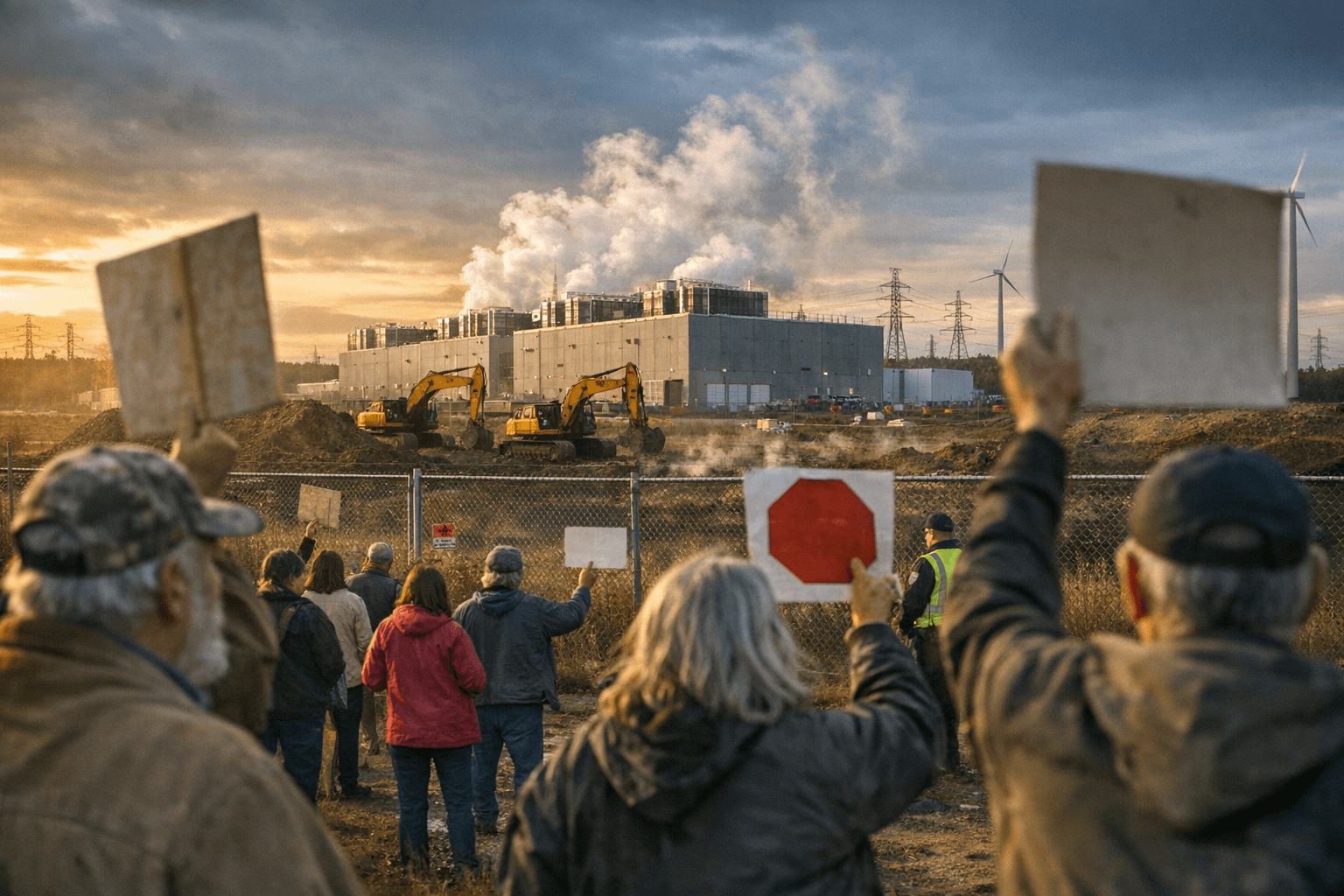
Despite utility and business backing, environmental advocates and local organizers have mobilized. A citizen group calling itself Stop the Pine Island Data Center has formed, and the Minnesota Center for Environmental Advocacy filed a lawsuit in October challenging the environmental review of the Pine Island project. The advocacy group has also sued over approvals tied to the Hermantown proposal. Regulators at the Minnesota Public Utilities Commission must sign off on Xcel’s agreement; local permitting, environmental review documents and any tax or community benefit terms remain focal points in contentious public debates.
Google declined to disclose projected electricity consumption for the Pine Island facility but said it will cover any electric grid infrastructure costs tied to the project. The twin disclosures crystallize a broader political dynamic: smaller towns and utilities see jobs and investment, while residents and environmental groups warn about water use, land conversion and the opaque nature of some corporate land deals. Google previously withdrew from a Becker data-center plan several years ago, underscoring the political risk that remains for large data-center projects in Minnesota.
Know something we missed? Have a correction or additional information?
Submit a Tip