Google overhauls Search with Gemini 3, video tools and shopping upgrades
Google is turning Search into an answer engine, with Gemini 3, follow-ups inside AI Overviews and new video and shopping tools. The change could keep more traffic inside Google.
Google is recasting Search as a place where people get answers, refine them and act on them without ever leaving the page. With Gemini 3 now powering AI Overviews globally and follow-up questions available directly from those summaries, the company is pushing the search box from a list of links toward a conversational interface built for longer, more complex queries.
That shift matters because Search still sits at the center of Google’s business and its AI strategy. At Google I/O 2026, Sundar Pichai said the company was processing more than 3.2 quadrillion tokens per month across its surfaces, up from roughly 480 trillion a year earlier. He also said Google now had 13 products with more than a billion users each and five with more than 3 billion users, a reminder that the company’s AI rollout is being measured not in demos but in daily scale. Google has said AI Overviews were among the most successful launches in Search in the past decade, and it has been moving in this direction since at least 2025, when AI Mode arrived as a redesigned Search experience for complex questions and follow-ups.
For publishers and advertisers, the consequences could be profound. If Google answers more queries itself, the traditional handoff from search results to outside websites could weaken, cutting referral traffic and shifting more attention, and potentially more ad spend, back into Google’s own ecosystem. The company is pairing that with shopping features designed to keep users in the funnel, including an AI Mode shopping experience with visual inspiration, smarter guidance, a virtual dressing room using personal photos and an agentic checkout flow meant to help buyers move quickly when prices drop. The result is a search product that does not just point users somewhere else, but increasingly tries to complete the task on Google’s own turf.
Google is applying the same logic to creation. In February 2026, Google Labs said Flow had already been used to create more than 1.5 billion images and videos, and it redesigned the tool to emphasize image generation, more flexible asset management and tighter editing control. Google said it was folding in capabilities from Whisk and ImageFX into a unified workspace, with Nano Banana built into the core experience. That builds on Gemini video generation with Veo 2, which Google said could produce eight-second, 720p clips, and Veo 3, which later added native sound effects, background noise and dialogue.
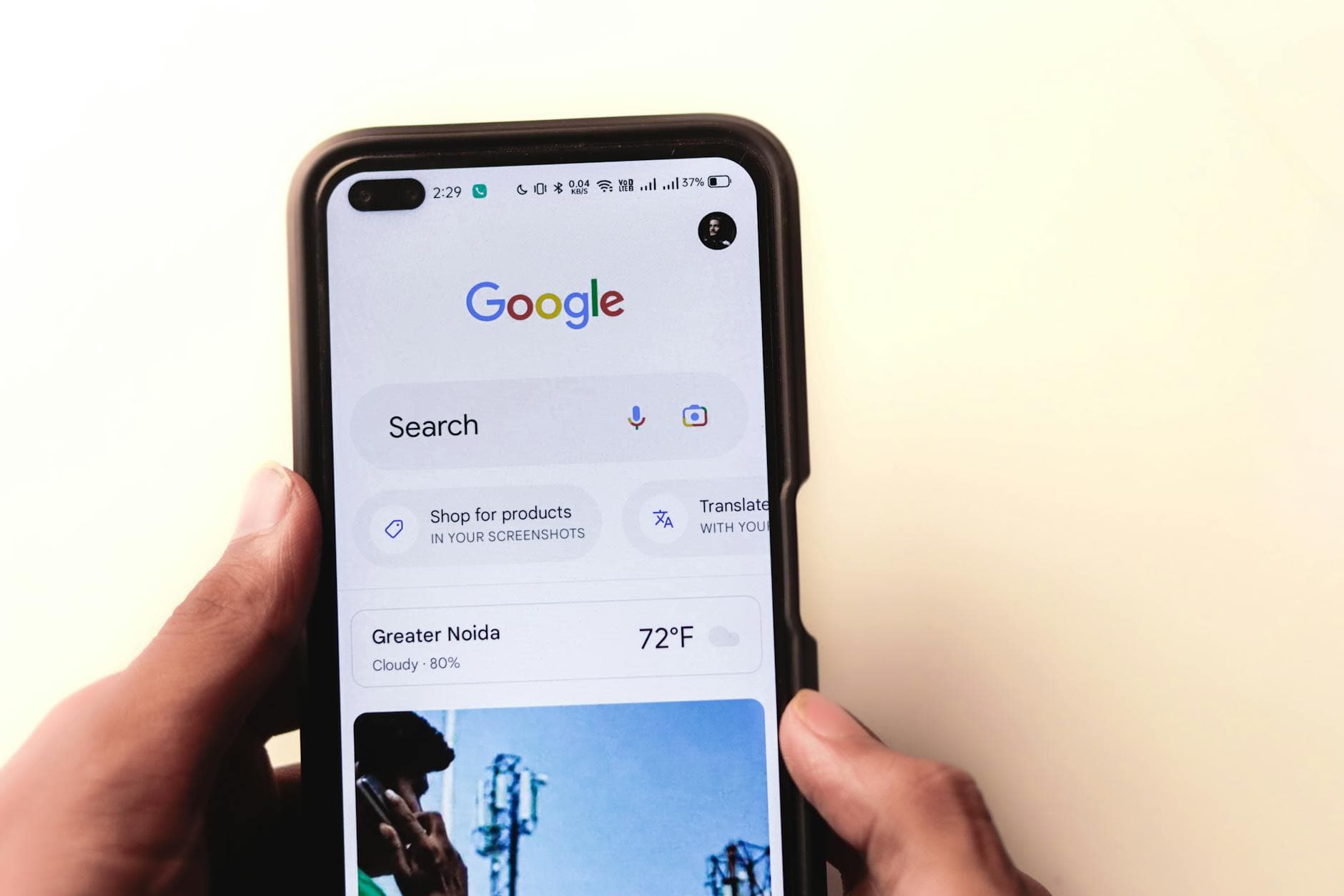
The broader trend has been building for years. Google said in 2022 that Lens was handling 12 billion visual searches a month as it reimagined Search with generative AI after more than 25 years of search development. What began as a keyword box is now becoming a system that can answer, reason, generate and transact, a change that could redefine how the web distributes attention for years to come.
This article was produced by Prism’s automated news system from verified source data, official records, and press releases, then run through automated quality and moderation checks before publishing. The system is built and supervised by the people who set the standards it runs under. Read our full AI policy.
Did this article answer your question?