Google Search Adds Hotel Price Tracking for Specific Properties
Google gave travelers a one-hotel price watchlist, a sharper tool that could help families time summer bookings and pressure hotels to compete harder on rate.
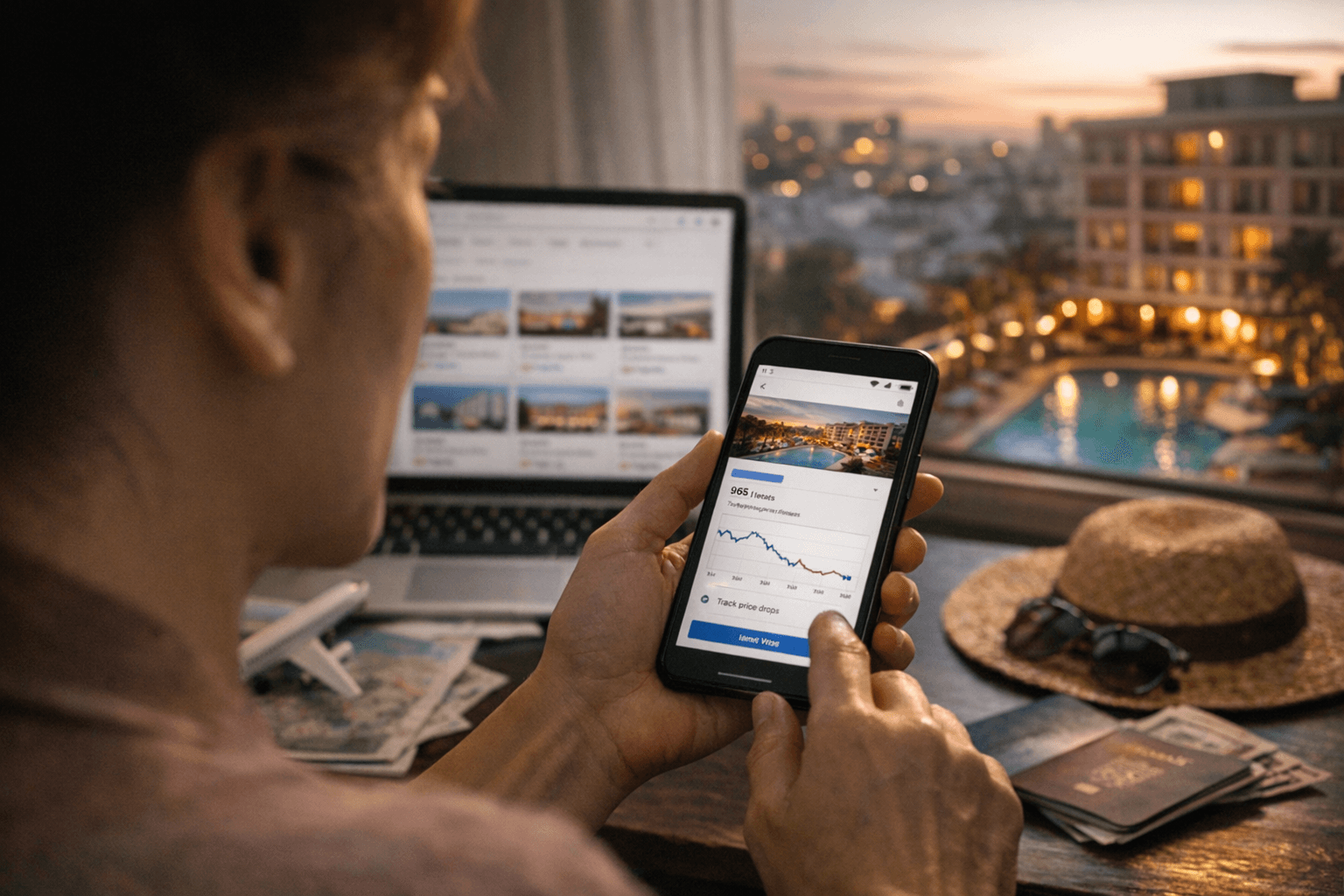
Google rolled out hotel price tracking inside Search with a narrower promise than its older city-level tools: watch one specific property, and get an email when the price drops substantially for the dates already in view. For travelers heading into peak summer demand, that turns Google Search into something closer to a booking strategist, not just a place to compare options.
The feature was launched globally on mobile and desktop browsers and is available on google.com/hotels. On desktop, users search for hotels, narrow the results by date and location, then turn on price tracking from the Overview or Prices tab for a specific listing. Google said the tracker uses the filters travelers have already chosen, including star rating, beach access and the exact area being viewed on the map. That makes the tool more personal than the company’s earlier hotel tracking, which focused on a broader destination average.
The timing matters. Summer vacations are when hotel rates often move fastest, and a small price drop can change when a family books, whether a traveler upgrades a neighborhood, or whether a loyalty member decides to wait. Google says the system is designed to send email alerts when prices fall enough to matter, and related reporting says the new individual tracker covers tens of thousands of hotels and resorts worldwide. For consumers, that expands the ability to wait for a better rate without losing track of a preferred property.
The move also fits Google’s longer effort to turn travel search into a transaction engine. Google first added flight price tracking in 2016, then expanded it with options such as specific dates, an “Any dates” feature and price-insight tools that estimate the cheapest time to book. In the same 2016 period, Google also introduced hotel-search Deal labels and date-flexibility tips. Google Help says hotel results can be filtered by price, location, user ratings and hotel class, and that rankings are based on relevance factors including location, price and user ratings rather than payment to Google.
That balance is what makes the new hotel tracker more than a convenience feature. It gives travelers more leverage over pricing in a market where hotel rates can swing quickly, but it also keeps them inside Google’s travel ecosystem longer, from search to alerts to booking decisions. As Google widens its summer-travel push with AI Overviews and Maps features, the company is betting that more transparent pricing will win user trust, even as it deepens its role in how Americans shop for a room.
This article was produced by Prism’s automated news system from verified source data, official records, and press releases, then run through automated quality and moderation checks before publishing. The system is built and supervised by the people who set the standards it runs under. Read our full AI policy.
Did this article answer your question?