White House Meets Anthropic as New AI Model Raises Security Stakes
A White House meeting with Anthropic came as Mythos impressed security officials and exposed a sharper fight over military guardrails and federal access.
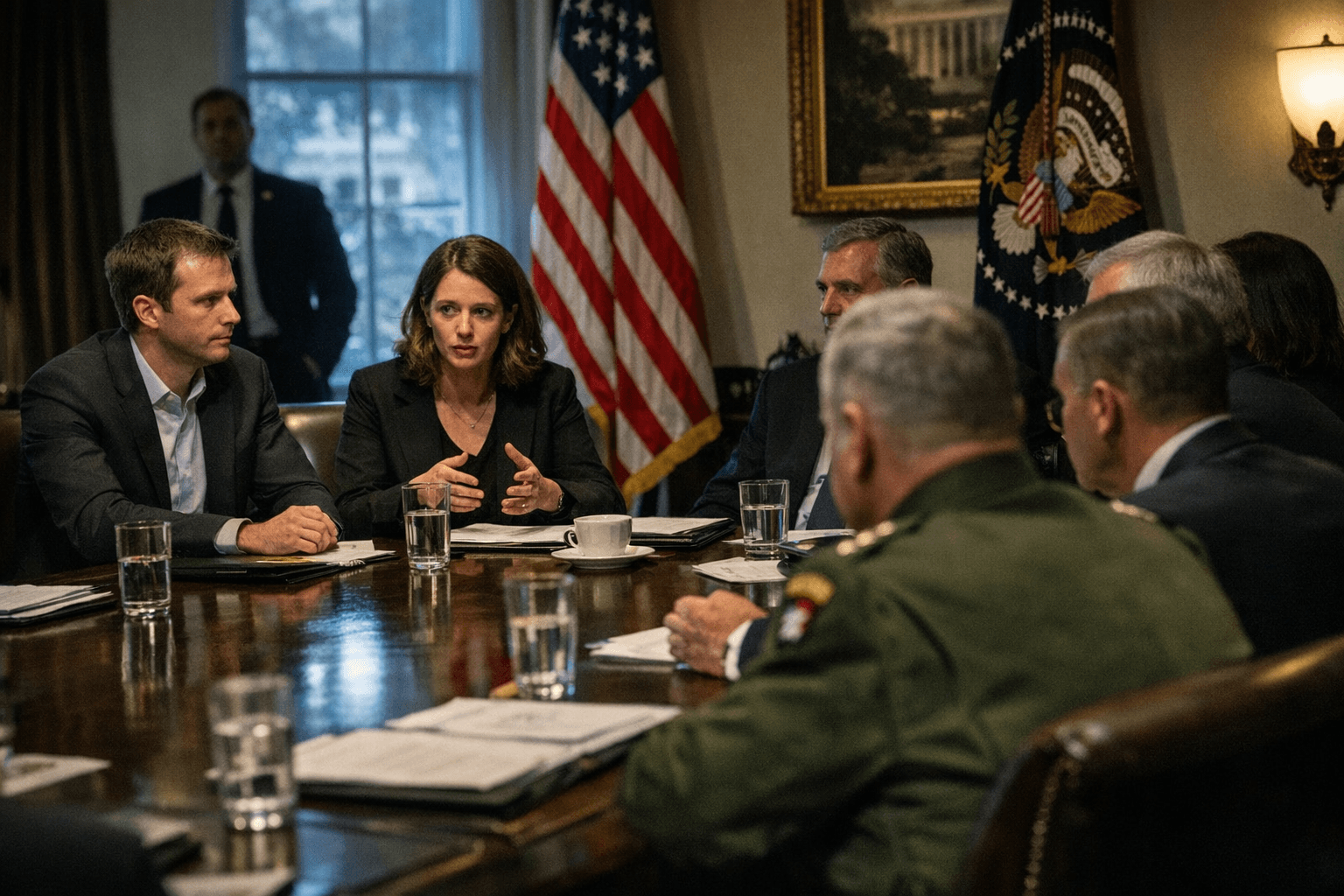
Susie Wiles met Friday with Anthropic chief executive Dario Amodei as the White House weighed whether a powerful new AI model could serve federal security work without giving the company too much leverage. The administration called the session “productive and constructive,” but the real question in Washington was how far officials were willing to bend for a frontier AI company they viewed as strategically useful.
The talks centered on Claude Mythos Preview, Anthropic’s April 7 model launch, which the company said was strikingly capable at computer security tasks. A White House official has said the administration has been engaging advanced AI labs about their models and the security of software, and Anthropic has been in ongoing discussions with U.S. officials about Mythos’ capabilities. Bloomberg reported Thursday that the government was preparing to make a version of Mythos available to major federal agencies, a sign that the model’s defensive value may be outweighing some of the risks that have worried cybersecurity watchers.
Those risks are inseparable from the fight that has already unfolded between Anthropic and the Trump administration. In late February, President Donald Trump directed federal agencies to stop using Anthropic’s technology. In early March, the Defense Department formally designated Anthropic a supply-chain risk, effectively blocking its models from use on Pentagon contracts. Anthropic sued, arguing the blacklist was illegal, and a federal judge later said the government’s actions were likely unlawful.
The core dispute was not just commercial. It was about guardrails. Anthropic refused to remove limits on military use of its models, including restrictions against mass surveillance of U.S. citizens and lethal autonomous warfare. That position made the company a symbol of a broader policy choice in Washington: whether the government wants an AI supplier that can help secure software and probe vulnerabilities, even if the same safeguards frustrate military planners and procurement officials.
Anthropic has tried to show that Mythos can be useful without abandoning caution. On April 7, the company launched Project Glasswing, a security initiative built around Mythos Preview that gave access to more than 40 additional organizations. Anthropic also pledged up to $100 million in usage credits and $4 million in donations to open-source security groups. The company published a system card and an alignment-risk update in early April, underscoring that it saw the model as powerful enough to demand unusual scrutiny.
That is why Friday’s meeting mattered beyond the “productive” language. A real compromise would likely mean granting Anthropic broader federal access for cybersecurity and software testing while preserving the safety commitments the company says define the product. For Washington, the tradeoff is stark: use a powerful model to harden government systems, or pressure the company to weaken the very restraints that make its technology acceptable in the first place.
This article was produced by Prism’s automated news system from verified source data, official records, and press releases, then run through automated quality and moderation checks before publishing. The system is built and supervised by the people who set the standards it runs under. Read our full AI policy.
Did this article answer your question?