Google’s screenless Fitbit Air debuts with status light, double-tap controls
Google’s smallest Fitbit has no screen, but a status light and double-tap controls, signaling a stronger push toward passive health tracking than smartwatch rivalry.
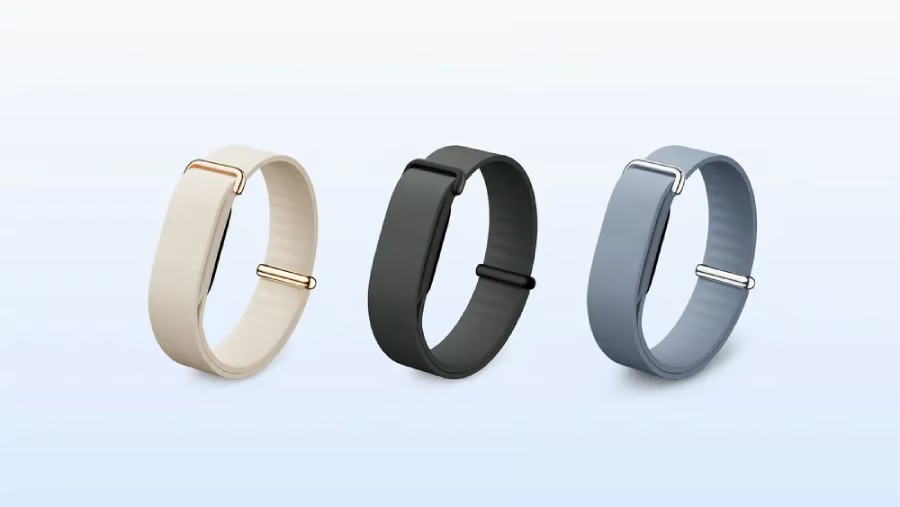
Google has drawn a sharp line under the smartwatch race with Fitbit Air, a screenless tracker priced at $99.99 in the United States and pitched as the company’s smallest wearable yet. Instead of trying to mimic a watch on the wrist, the device leans into a lighter, quieter role: 24/7 health monitoring, a week of battery life, and a three-month trial of Google Health Premium.
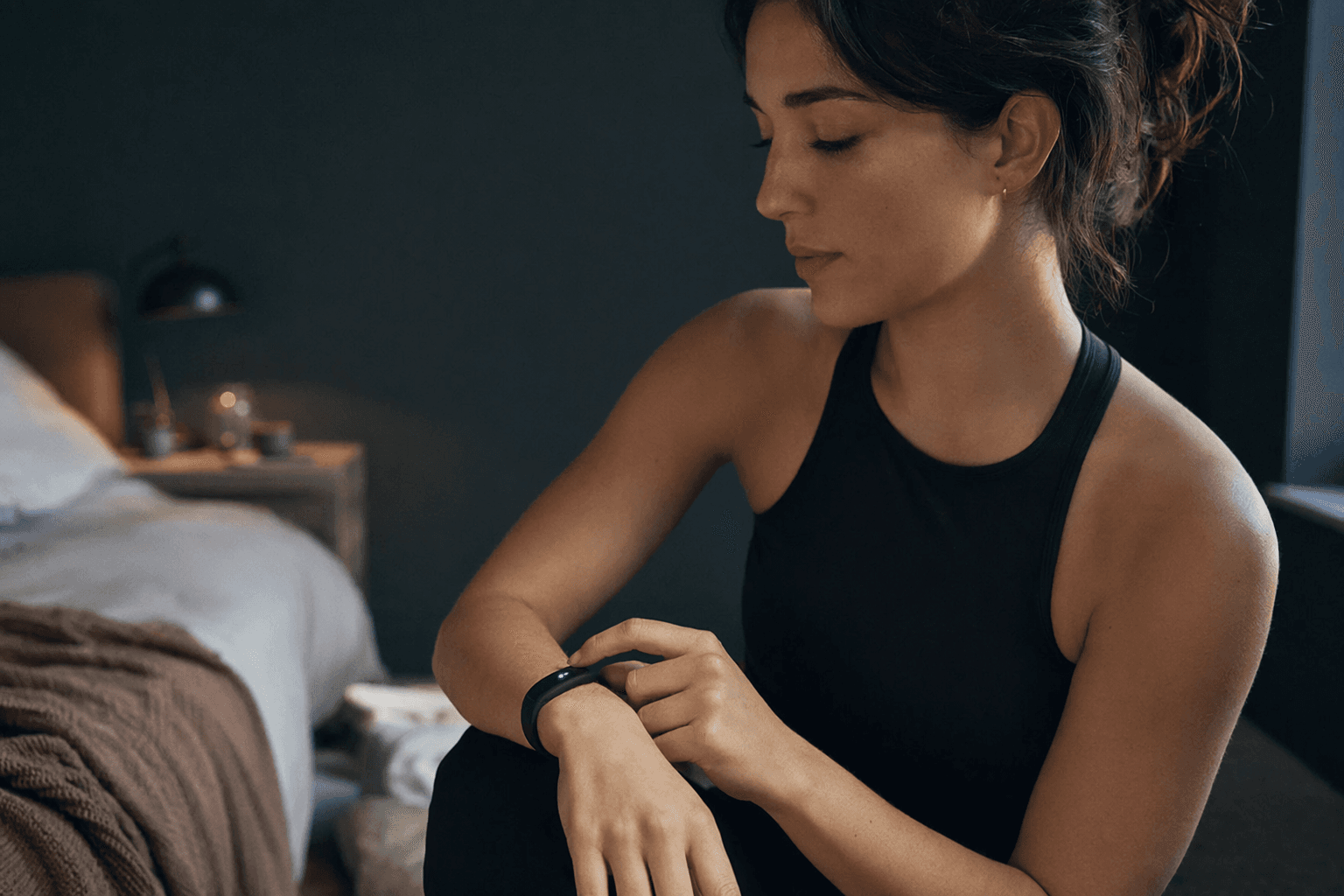
The hardware says as much as the marketing. Fitbit Air uses a status light to show device state because there is no screen, and a double-tap gesture can silence Smart Wake and one-off alarms. Google is selling that restraint as a feature. The tracker records heart rate around the clock, sleep stages, SpO2, resting heart rate, heart-rate variability, automatic workout detection, and AFib alerts, giving the device the profile of a passive sensor rather than a miniature phone.
That puts Fitbit Air closer to Whoop than to the old Fitbit formula. In person, the device is already drawing size comparisons with Whoop, and demo units are in 10 U.S. Google Stores, including a newly opened location. The narrower body underscores Google’s intent: reach users who want health data without a display, notifications, or the social burden of a smartwatch. For athletes and health-conscious buyers, the appeal is not just the band itself, but the data stream and the software layer behind it.
That software layer is becoming the real product. Google said the Fitbit app will become the Google Health app on May 19, 2026, with existing Fitbit users automatically upgraded and Google Fit users moved later in 2026. The new app is meant to pull together wearable data, Health Connect, Apple Health, and medical-record information in one place, turning Fitbit Air into an on-ramp for a larger health platform rather than a standalone gadget.
The strategy is also visible in the packaging of the launch. Google introduced a Stephen Curry special edition Fitbit Air, signaling a push toward performance and wellness audiences as much as basic activity tracking. The company’s international page lists the tracker from $199 RRP, with accessory bands starting at $59 RRP from May 27, 2026, a reminder that the low U.S. entry price is only one part of the business model. The broader bet is clear: sell the hardware cheaply enough to get it on the wrist, then sell the insights, the app, and the subscription tier that keeps users inside Google’s health system.
This article was produced by Prism’s automated news system from verified source data, official records, and press releases, then run through automated quality and moderation checks before publishing. The system is built and supervised by the people who set the standards it runs under. Read our full AI policy.
Did this article answer your question?