Grand jury indicts Comey over seashell Instagram post seen as Trump threat
A North Carolina grand jury turned a deleted seashell Instagram post into a federal threat case, sharpening fears of selective prosecution against a Trump foe.
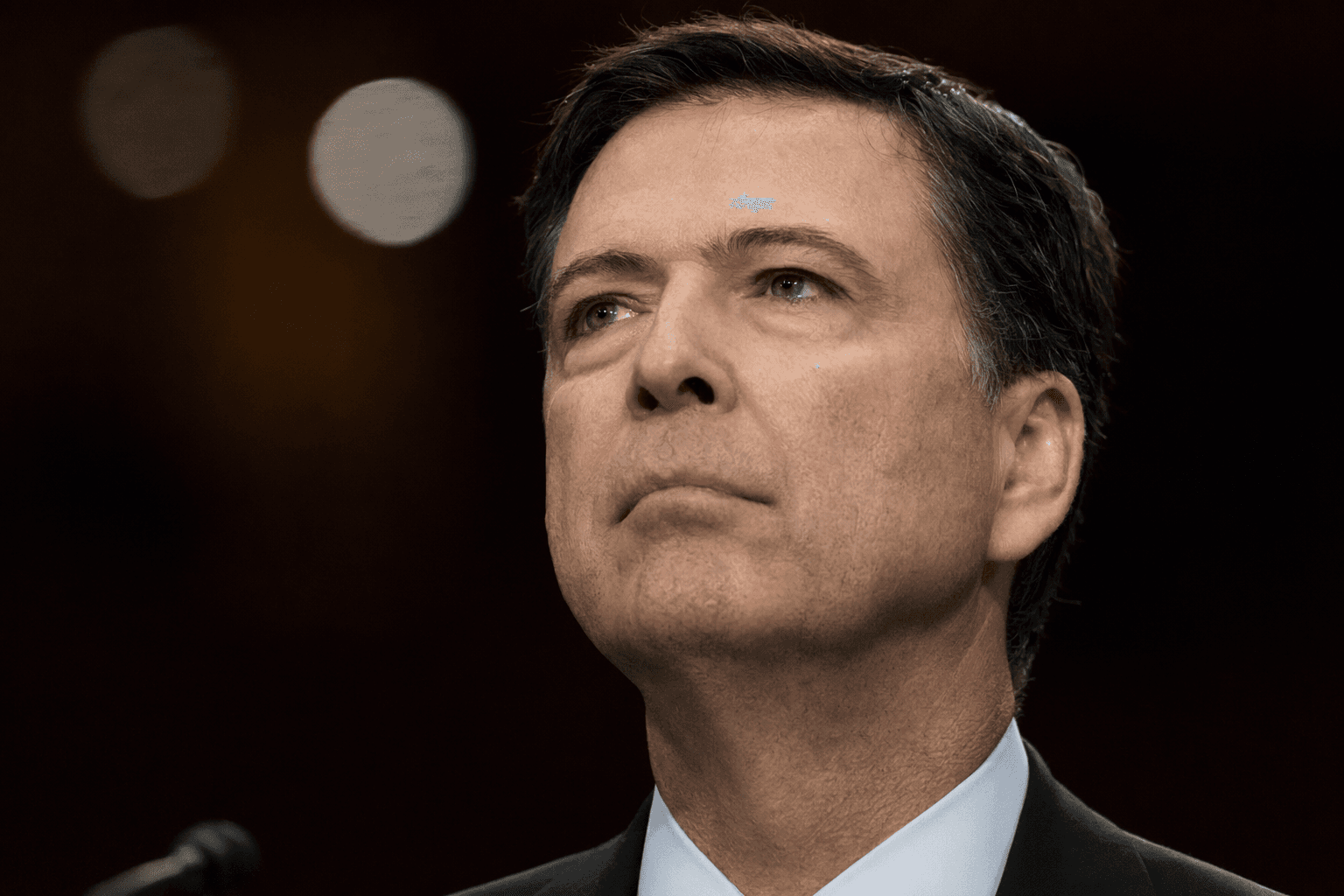
A federal grand jury in North Carolina has pushed a beach photo into the center of a legal fight over how far threat law can stretch when the target is a former FBI director and the subject is a social media post. The new indictment against James Comey, returned Tuesday, accuses him of threatening the president and transmitting a threat in interstate commerce after he posted an Instagram image of seashells arranged to read “86 47.”
The case turns on meaning, intent and political context. Comey said he found the shell arrangement on a beach walk while vacationing in North Carolina last year, posted it, then deleted it because he opposes violence of any kind. Trump allies argued the phrase was a call for violence or assassination, and Donald Trump, who is the 47th president, accused Comey of “calling for the assassination of the president.”
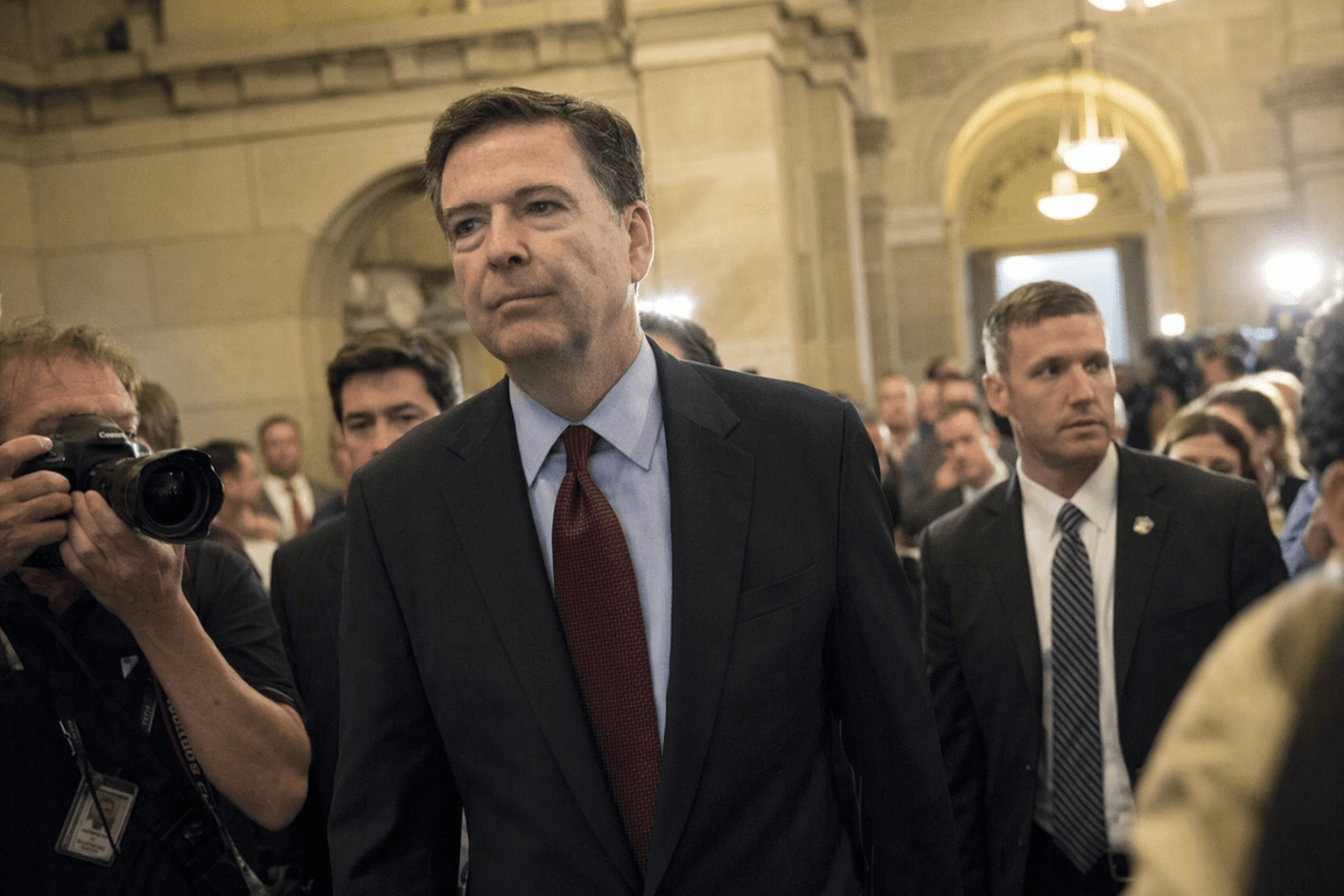
The indictment is Comey’s second federal case since Trump began his second term, and it deepens the conflict between the White House and one of Trump’s longest-running adversaries. Trump fired Comey as FBI director in 2017, a move that helped trigger the special counsel Russia investigation led by Robert Mueller and shadowed Trump’s first term. After the seashell post drew attention, the Secret Service interviewed Comey, and administration figures including then-Homeland Security Secretary Kristi Noem and Director of National Intelligence Tulsi Gabbard demanded action.
The renewed prosecution also raises questions about prosecutorial discretion and whether federal power is being used neutrally or as retaliation. Comey was previously indicted in Virginia on unrelated charges tied to 2020 congressional testimony about whether he authorized information to be shared with a journalist. That case was later dismissed after a judge ruled that the Trump-appointed interim U.S. attorney had been illegally appointed.
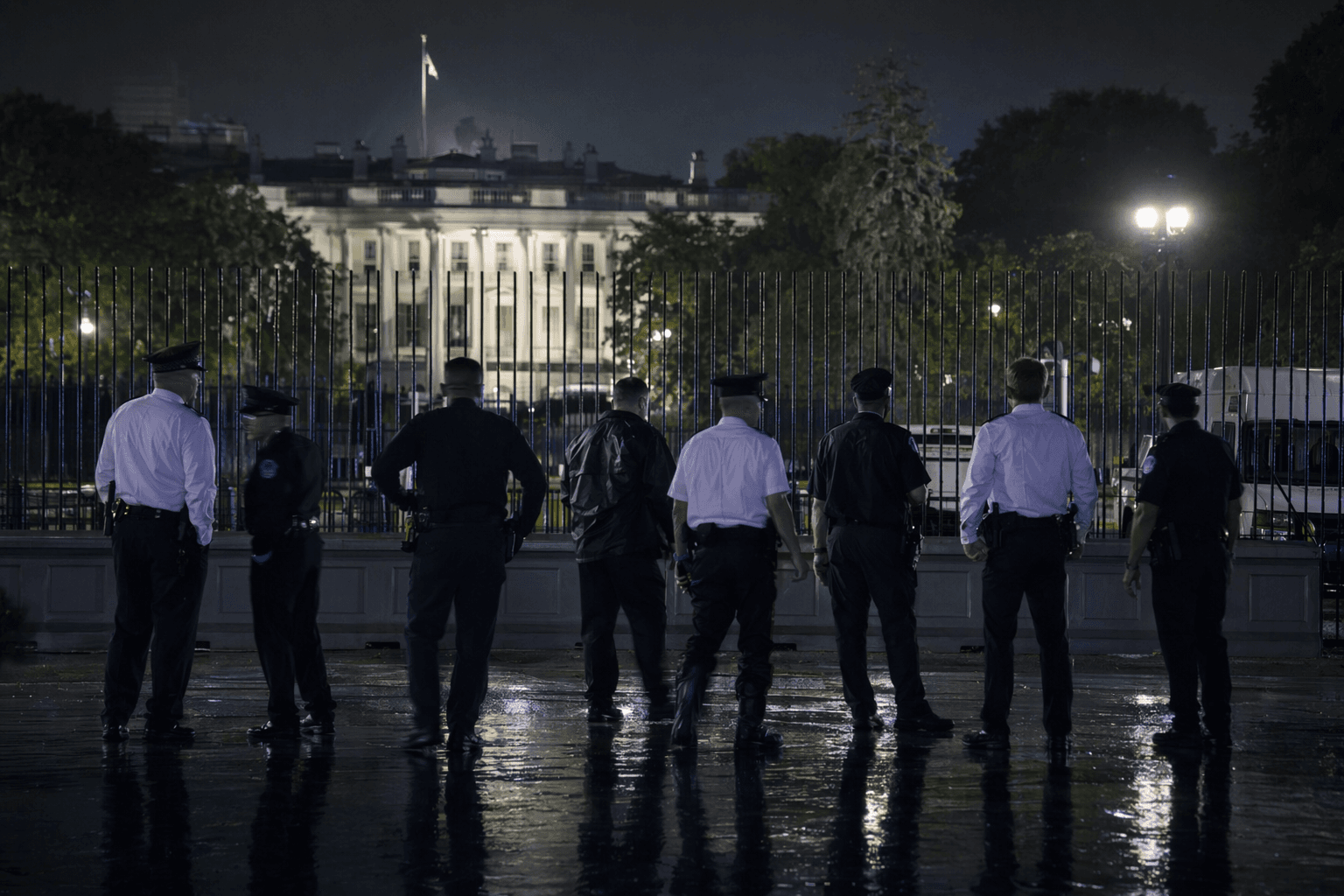
The timing sharpened that concern. The indictment came three days after Trump was evacuated from the White House Correspondents’ Dinner venue following an alleged security threat, an episode the administration said underscored the danger environment around the president. In that setting, a beach post about shells arranged to spell “86 47” became more than a social media dispute. It became a test of how aggressively the government can turn political speech into a criminal threat case, and whether the law is being applied as a safeguard or as a weapon.
Know something we missed? Have a correction or additional information?
Submit a Tip