Greece repays €6.9 billion of bailout loans early
Greece paid back €6.9 billion in bailout loans early, but the real test is whether that cleaner balance sheet reaches households, wages and public services.
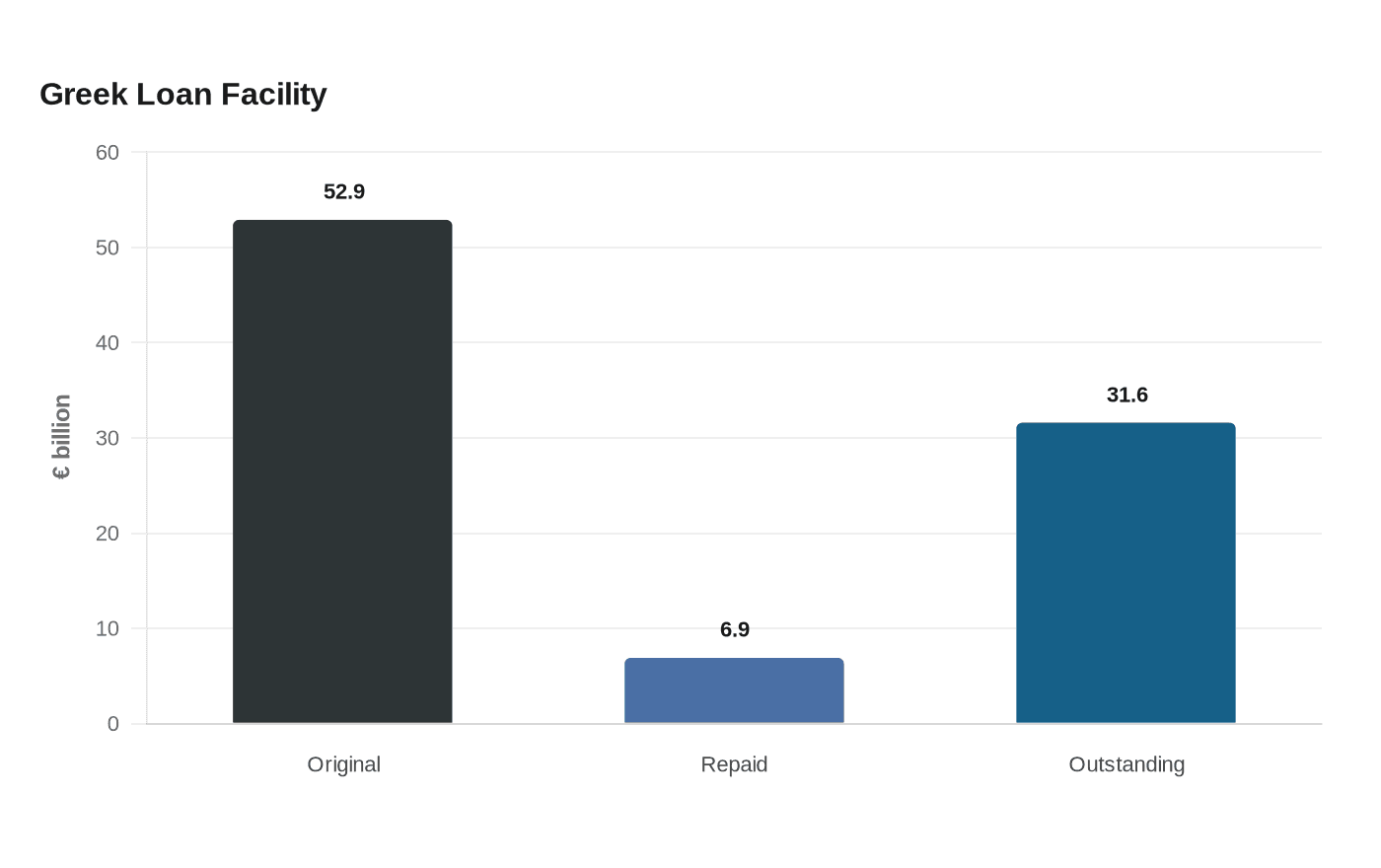
Greece has taken another step away from its rescue-era past, repaying €6.9 billion of bailout loans ahead of schedule and using its cash buffer to do it. The move trims debt costs, strengthens the country’s debt profile and sends a fresh signal to markets that Athens wants to be judged on present-day performance, not crisis memories.
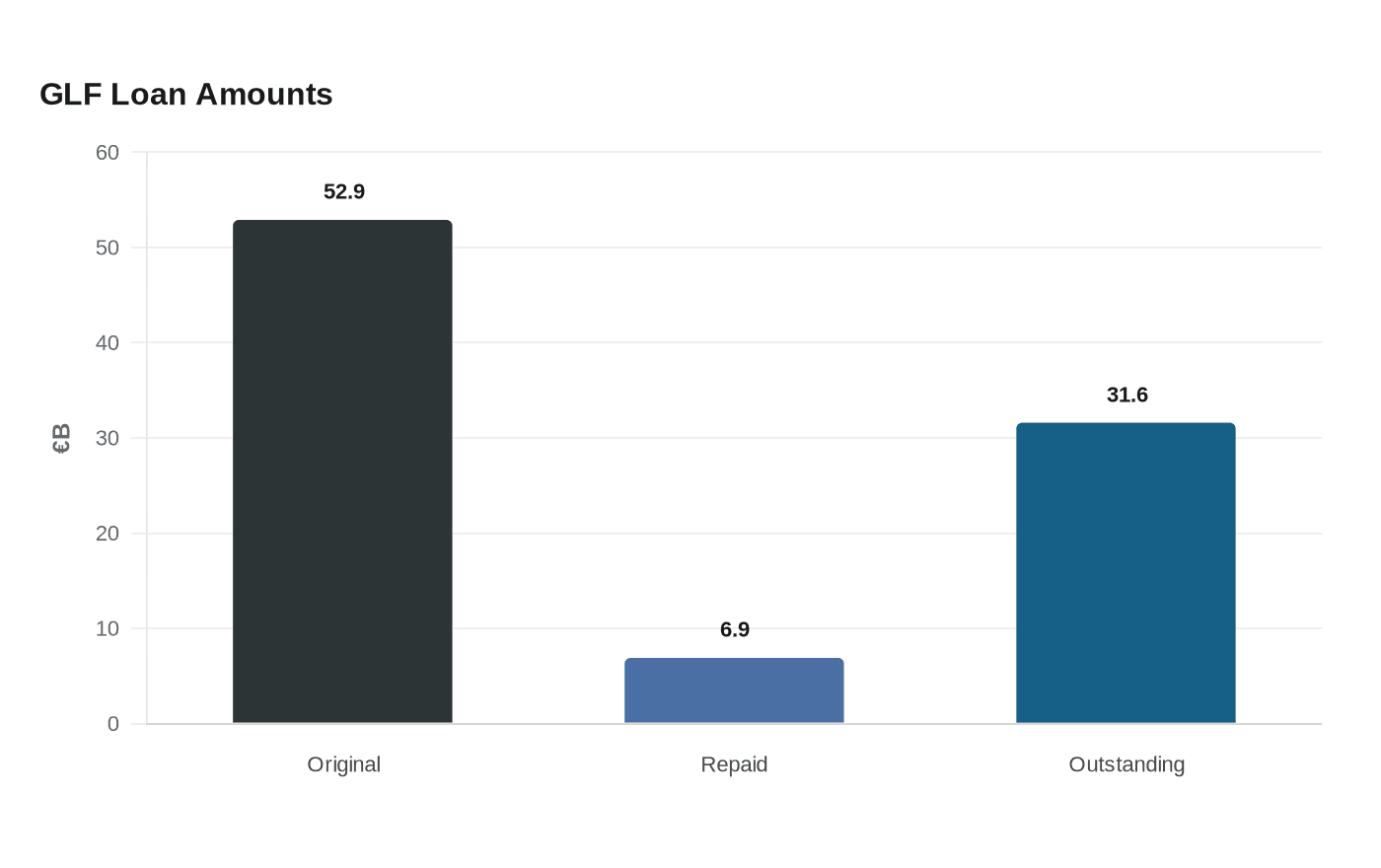
The repayment went to euro area peers from the Greek Loan Facility, the first bailout package agreed on 2 May 2010. That facility was built from bilateral loans from 14 euro-area countries and originally totaled €52.9 billion, a reminder of how deeply the sovereign debt crisis reshaped Greece’s finances. Even after this payment, the European Stability Mechanism said €31.6 billion of the facility was still outstanding as of 2 December 2025.

The latest step followed waivers approved by the European Stability Mechanism and the European Financial Stability Facility on 2 December 2025, after a formal request from the Greek government. Those waivers allowed Athens to repay GLF lenders without making a proportional early repayment to the two rescue institutions, while using its cash buffer. The ESM said the arrangement would improve Greece’s debt structure and give a positive signal to financial markets.
That signal matters because Greece is still under post-programme surveillance until at least 75% of the financial assistance it received has been repaid. Under the current repayment schedule, that monitoring would run until 2059, underscoring that the country’s debt story is far from finished even as its balance sheet improves. Greece also completed repayment of its International Monetary Fund loans two years ahead of schedule in 2022, another marker of how far it has moved from the worst days of the crisis.
The broader economy has also given officials reason to project confidence. The European Commission’s spring 2026 forecast said growth in Greece is set to slow from 2.1% in 2025 to 1.8% in 2026, while Fitch Ratings said in May that Greece had cash buffers of about €36 billion, equal to roughly 16% of GDP. Fitch upgraded Greece to BBB with a Stable Outlook on 8 May 2026, a sign that creditor confidence has improved even as official-sector debt remains substantial.
For Athens, the early repayment is more than a technical transaction. It is a test of whether years of austerity and fiscal repair have produced a durable recovery, one that shows up not only in bond markets and ratings but in the daily economy Greece is trying to rebuild.
This article was produced by Prism’s automated news system from verified source data, official records, and press releases, then run through automated quality and moderation checks before publishing. The system is built and supervised by the people who set the standards it runs under. Read our full AI policy.
Know something we missed? Have a correction or additional information?
Submit a Tip