Greens win first elected mayors and seize Norwich council control
The Greens won first-time elected mayors in Hackney and Lewisham and seized Norwich, fueling Zack Polanski’s claim that two-party politics is “dead and buried.”
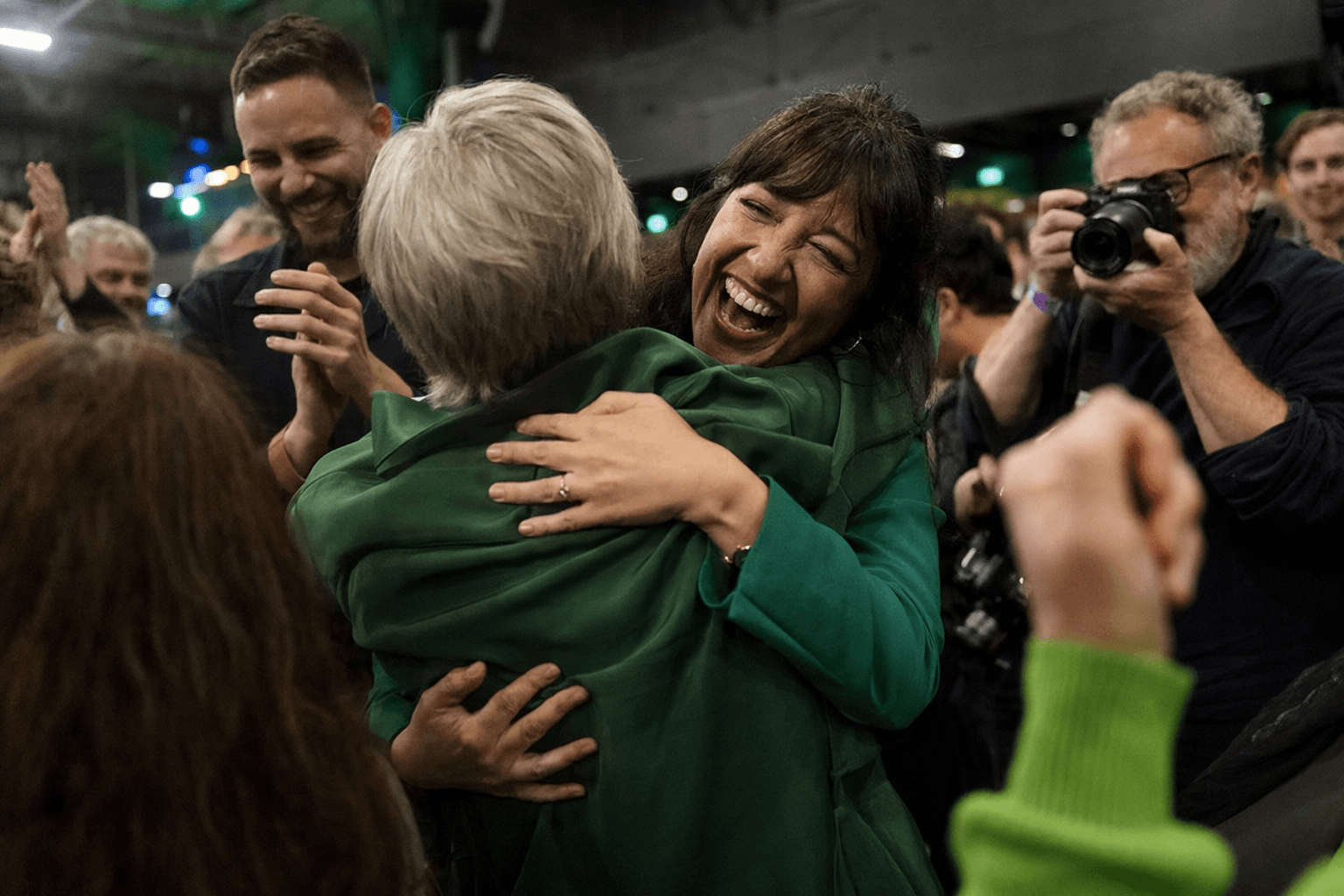
The Greens turned a set of local contests into a national statement, winning their first directly elected mayors in Hackney and Lewisham and taking control of Norwich City Council for the first time. Zack Polanski said two-party politics was “dead and buried” after the gains, but the results also showed that the party’s reach was strongest in a few hard-fought urban strongholds.
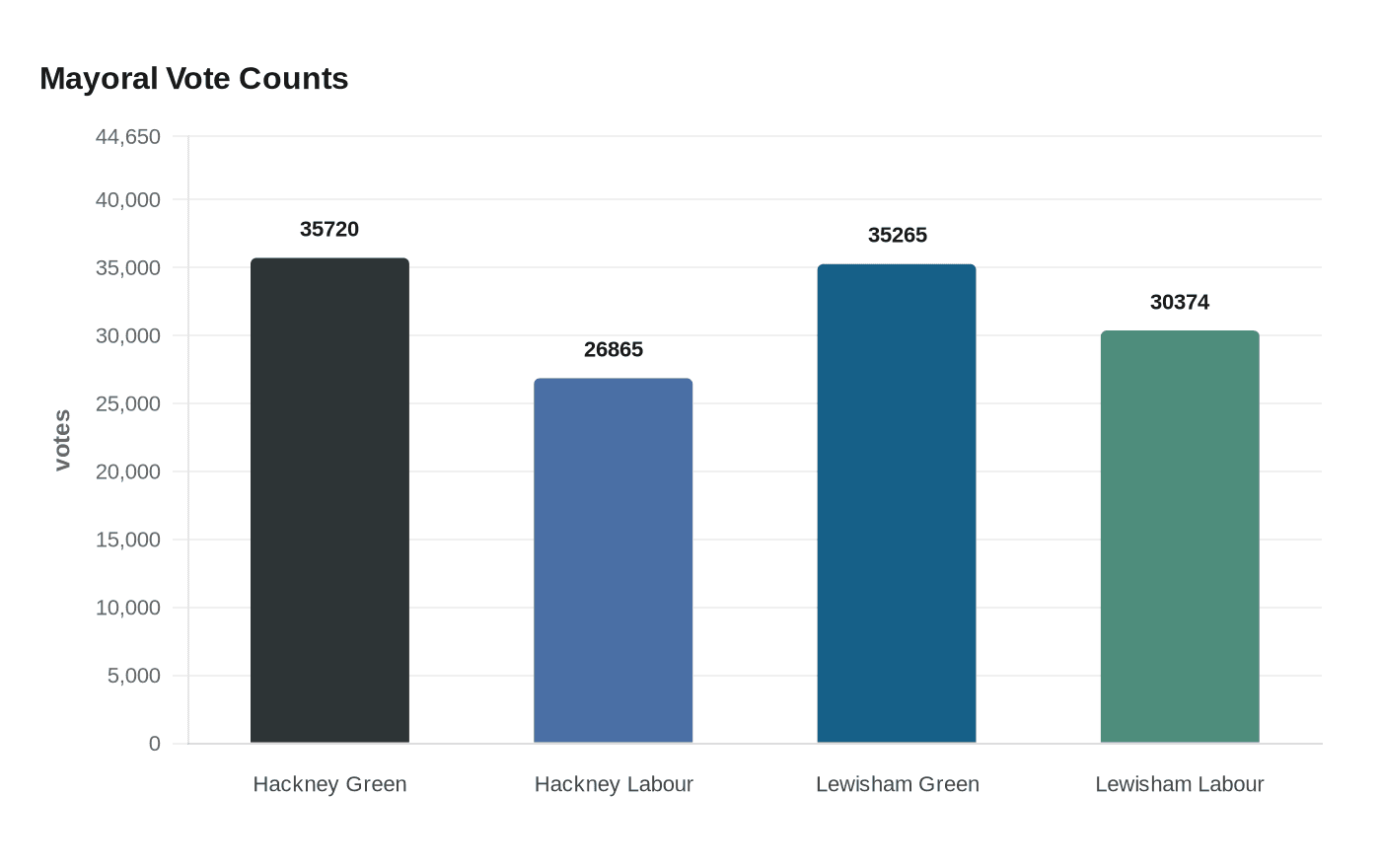
In Hackney, Zoë Garbett won with 35,720 votes, defeating Labour’s Caroline Woodley on 26,865 and becoming the Green Party’s first ever directly elected mayor. The result ended 25 years of Labour control in a mayoralty created in 2002. Garbett told supporters, “Today we start the fight back,” and tied the swing to frustration over failing council services and the cost of living. The margin, 8,855 votes, marked one of the clearest signs that Green candidates can now convert local anger into executive office.
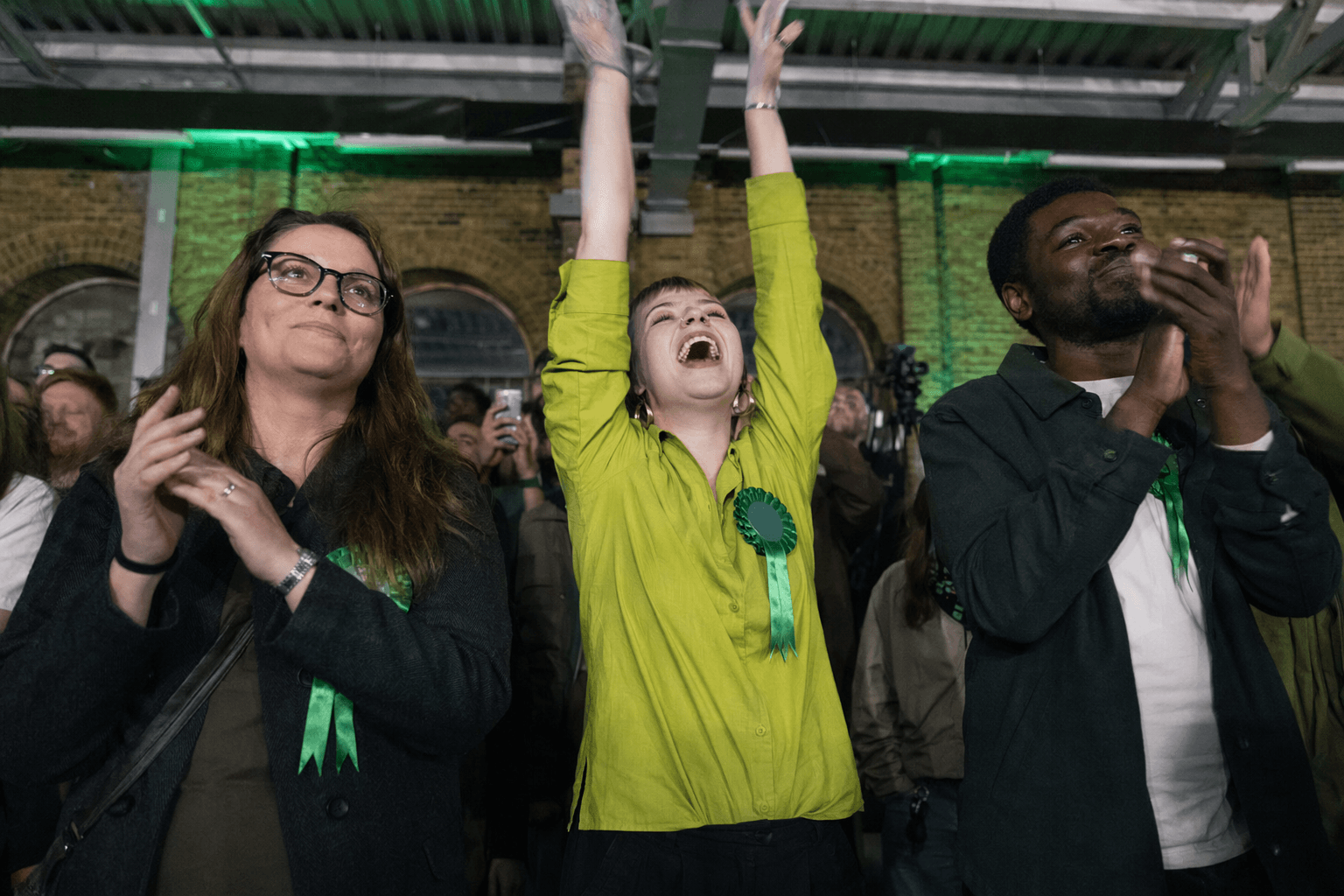
Lewisham followed a similar pattern, though with a narrower gap. Liam Shrivastava won the mayoralty with 35,265 votes, or 40.4%, ahead of Labour’s 30,374 votes, or 34.8%. Lewisham has had a directly elected mayor since 2002 and had been Labour-controlled for decades, so the Green breakthrough there was not an isolated upset but the second Labour-held authority to fall in the same cycle.
Norwich delivered the party’s most sweeping council result. The Greens won 11 of the 14 seats up for grabs, lifting them to 21 of 39 seats and taking control of Norwich City Council from Labour. Reform won two seats and the Liberal Democrats one, showing that protest politics was fragmenting the vote rather than flowing only to one challenger. The Greens also won both Wensum seats, adding another local sign of momentum in a city where Labour had held the upper hand.
The wider picture remains more limited than Polanski’s language suggests. More than 5,000 council seats were contested across England, alongside six directly elected mayoralties, and Labour, the Conservatives and Reform were all trying to frame the results as evidence of a broader political realignment. The Greens have proved they can win in places where Labour has governed for years, but the gains still cluster in a small number of cities. That makes this look less like a nationwide collapse of the two-party system than a sharp, credible protest-vote surge with real local power and uncertain parliamentary reach.
This article was produced by Prism’s automated news system from verified source data, official records, and press releases, then run through automated quality and moderation checks before publishing. The system is built and supervised by the people who set the standards it runs under. Read our full AI policy.
Did this article answer your question?

