Greer urges allies to pay more for secure critical mineral supply chains
Greer wants allies to accept a “national security premium” for critical minerals, signaling a pricier, managed market to break China’s grip on supply chains.
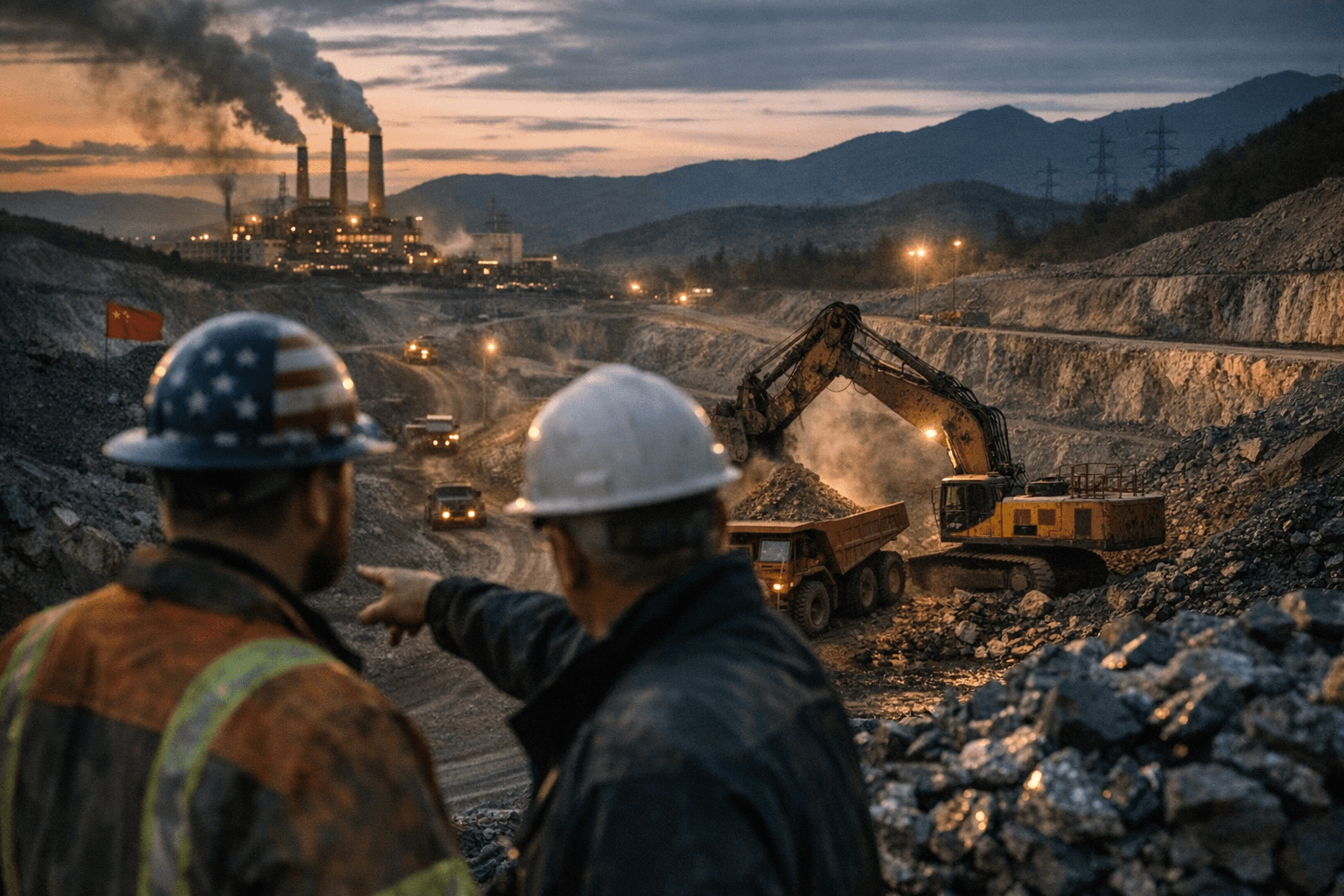
Jamieson Greer is pressing allies to accept a more expensive bargain for critical minerals, arguing that countries outside China must be willing to pay a “national security premium” for supply chains built around resilience rather than the lowest price.
The U.S. trade representative’s message goes to the heart of a bigger strategy: Washington wants partners not just to buy or share minerals, but to help underwrite a system that can withstand Chinese leverage. Greer said the U.S. was drafting more detailed proposals for partners, with Europe among the likely participants, and the design being discussed points to a managed market with pricing rules meant to support non-Chinese supply.
That matters because the minerals at stake sit at the center of modern industrial policy. Lithium, nickel, cobalt, graphite and rare earths are essential for electric vehicles, advanced electronics, defense systems, renewable energy equipment and the wider manufacturing base. If allies agree to price floors or similar protections, the costs would not stop at the mine gate. They would flow through refiners, battery makers, automakers and defense contractors in the U.S., Europe and other allied economies.
The push comes after years of mounting concentration in the sector. The International Energy Agency said lithium demand rose 30% in 2024, while demand for nickel, cobalt, graphite and rare earths grew 6% to 8%. The agency said about 90% of supply growth came from top supplier nations, with China dominant in cobalt, graphite and rare earths. It also said the average market share of the top three refining nations for key energy minerals climbed from about 82% in 2020 to 86% in 2024.
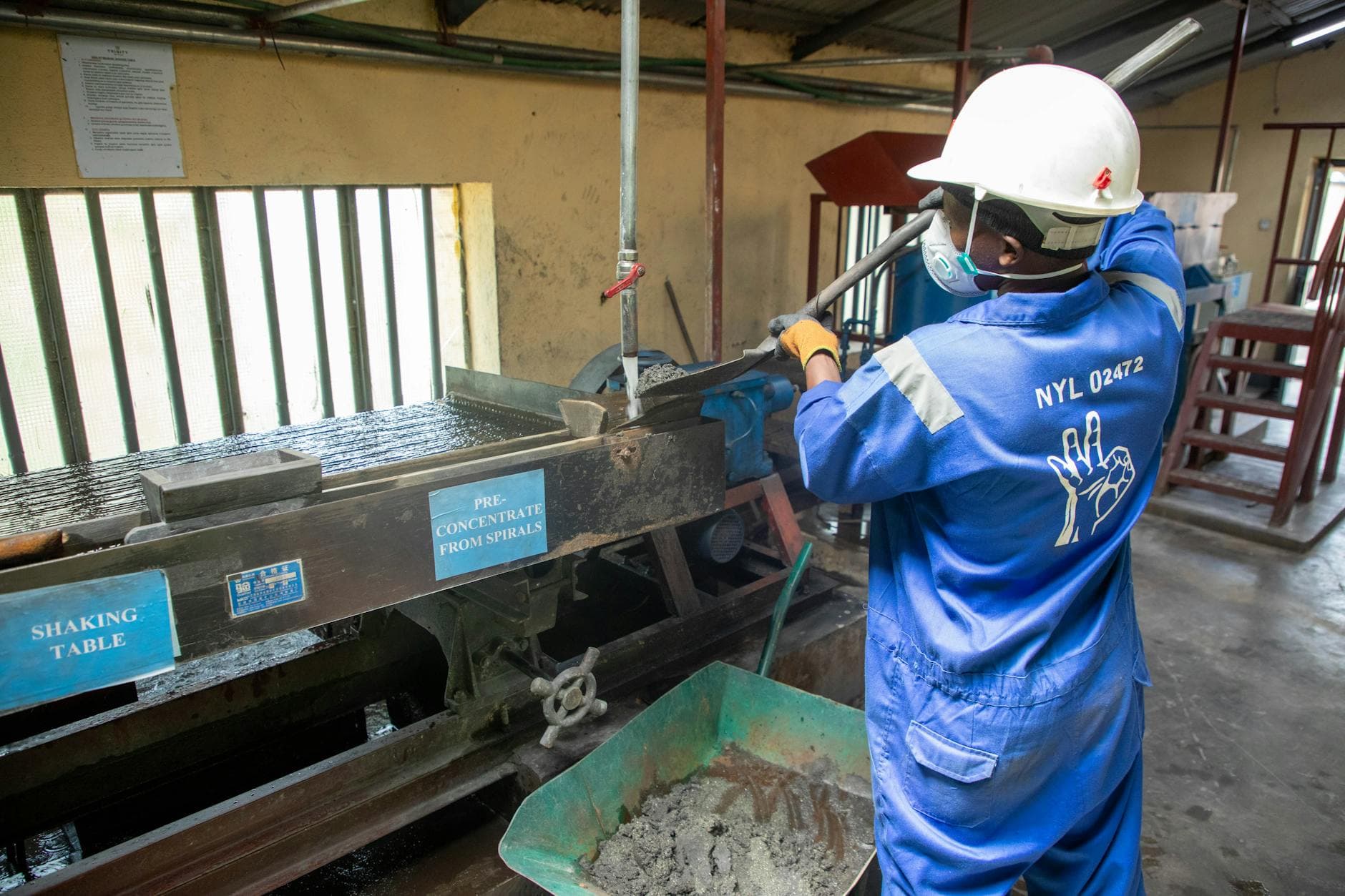
Europe would bear much of the pressure if the U.S. succeeds in building a coalition. Fraunhofer FFB found China controls almost the entire lithium-ion battery value chain, and said Europe is almost 100% dependent on imports for the mineral raw materials at the start of battery cell production. That dependence helps explain why some allies may accept higher prices in exchange for more secure access, even as manufacturers face tighter margins.
Washington has already been lining up support. On February 4, 2026, Marco Rubio, JD Vance, Scott Bessent, Doug Burgum, Chris Wright and Greer hosted representatives of 54 countries and the European Commission in Washington for the Critical Minerals Ministerial, along with 43 foreign and other ministers. The meeting was framed as an effort to reshape the global market for critical minerals and rare earths.
The administration is also pursuing supply outside China through other channels, including a U.S.-backed rare-earths project in South Africa that aims to extract minerals from industrial waste. Taken together, the moves show a broader bet: that allies will pay more now to avoid being held hostage later by China’s dominance in the minerals that power cars, weapons and factories.
This article was produced by Prism’s automated news system from verified source data, official records, and press releases, then run through automated quality and moderation checks before publishing. The system is built and supervised by the people who set the standards it runs under. Read our full AI policy.
Did this article answer your question?