U.S. Seeks Broader China Farm Goods Deal Before Trump Visit
Washington is pressing China for farm-buy commitments beyond soybeans, betting a wider basket can outlast the brittle promises of the 2020 trade truce.
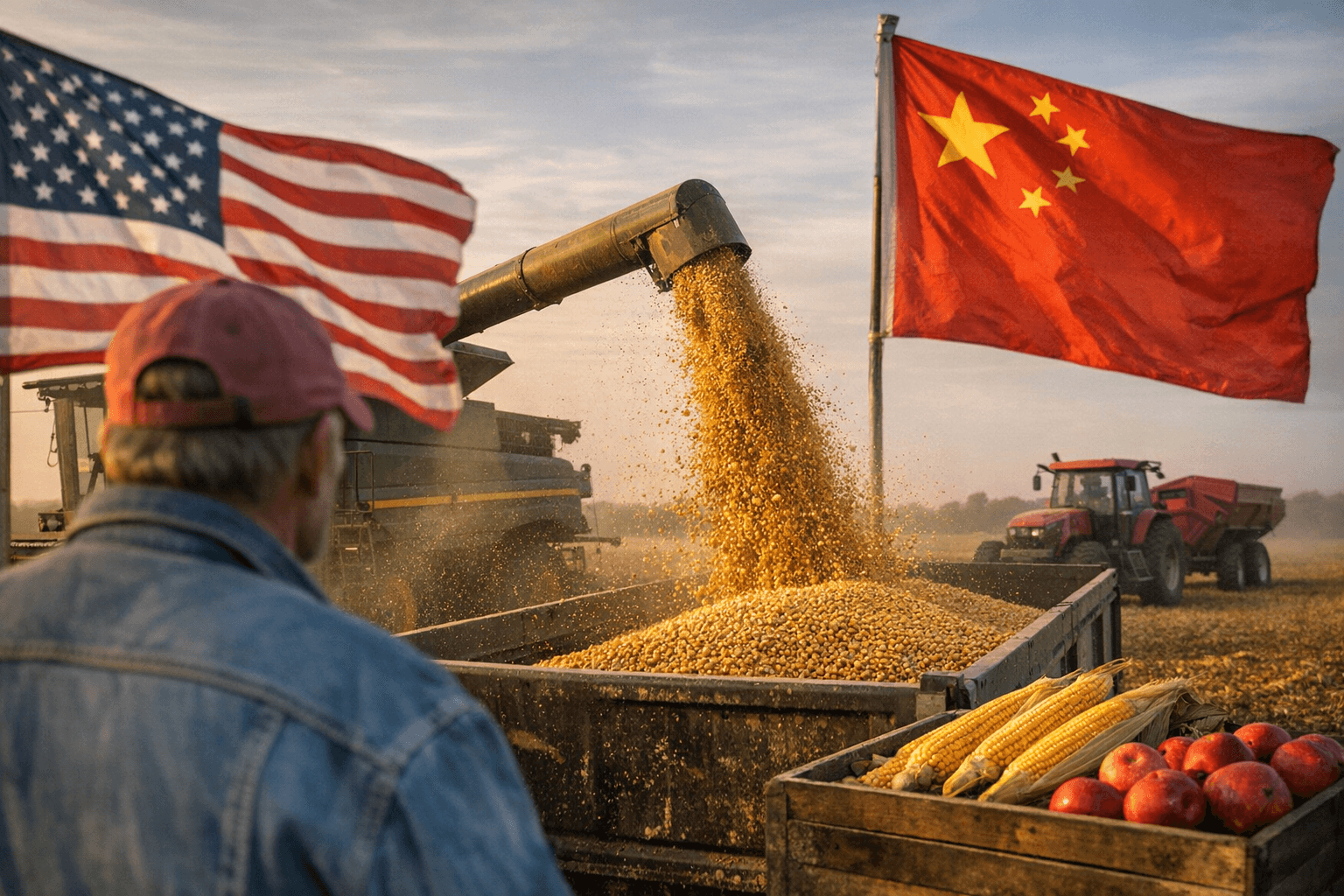
Jamieson Greer said the United States wants China to agree to buy a broader range of American farm goods than soybeans alone when President Donald Trump visits next month, a sign Washington is trying to turn one crop into a wider trade bargain that could matter across farm states.
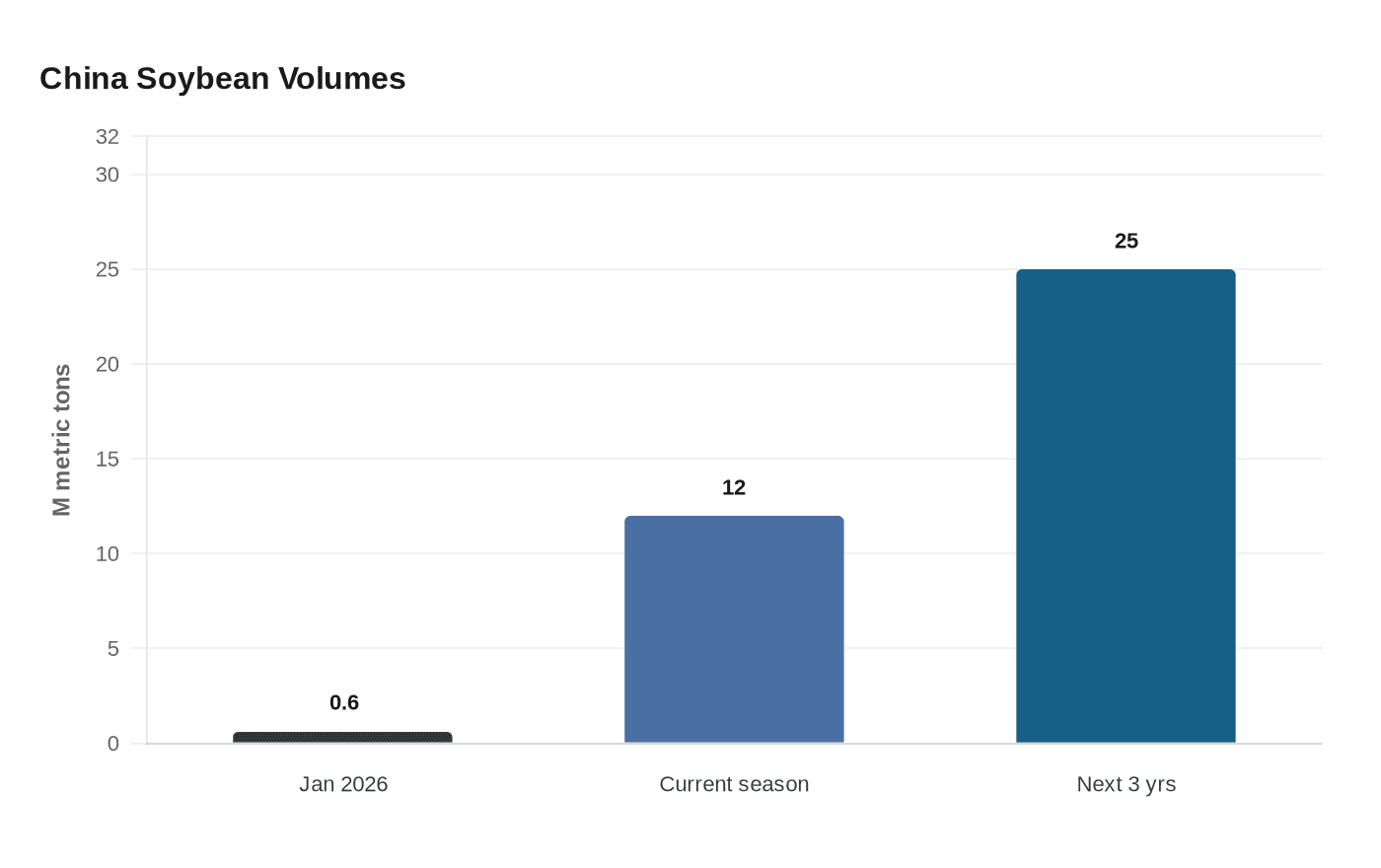
The push comes as China remains the largest foreign market for several U.S. agricultural products, and as earlier soybean-heavy pledges have shown how quickly headline numbers can run into weak enforcement. In March, Chinese negotiators were described as open to potential additional purchases of U.S. agricultural goods, including poultry, beef and non-soybean row crops, while still signaling a commitment to buy 25 million metric tons of American soybeans each year for the next three years.
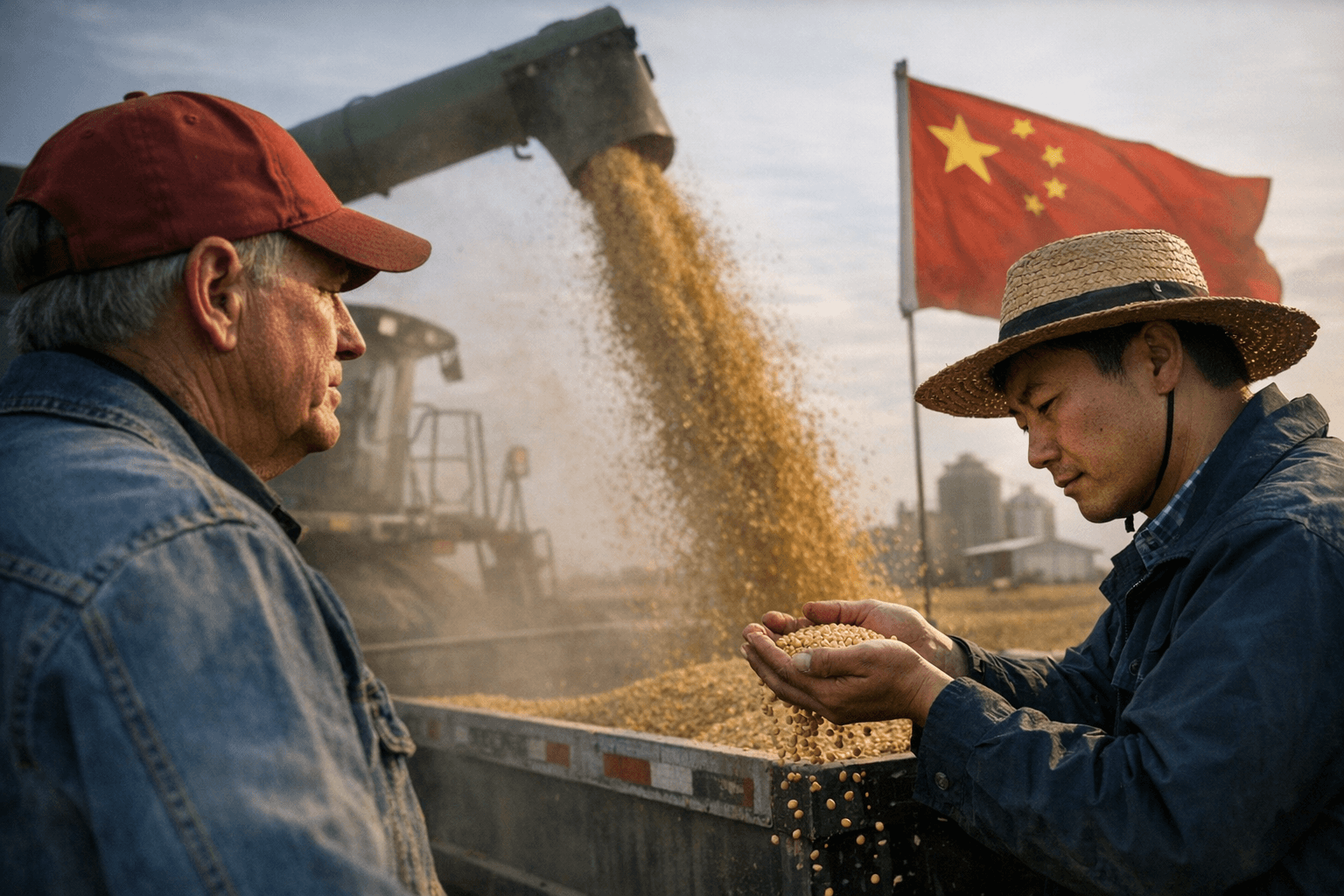
That broader basket would mark a sharper test of trade leverage than the last big deal. The Phase One agreement signed on January 15, 2020, was billed by the U.S. Department of Agriculture as an enforceable pact covering agriculture and other areas. Congressional Research Service materials say China agreed to import $32 billion in additional U.S. agricultural products over two years, relative to a 2017 base of $24 billion, but the deal did not lock in tariff exemptions or purchase levels for specific products.
The results left deep skepticism in Washington and farm country. The Peterson Institute for International Economics found that China bought only 58% of the total U.S. goods and services exports it had committed to purchase under Phase One over 2020-21, a shortfall that still hangs over any new promise from Beijing. That history is why Greer’s broader ask matters: a narrow soybean pledge would do little to reassure growers of corn, beef, poultry and other crops who want durable demand, not another politically timed headline.
Recent buying has been uneven rather than transformational. In January 2026, China bought 10 U.S. soybean cargoes, totaling about 600,000 metric tons, after a trade truce. Late-2025 and 2026 reporting also pointed to commitments for 12 million metric tons of U.S. soybeans in the current season and 25 million metric tons annually for the next three years, yet analysts still said those volumes would leave exports below recent peaks.
Greer has also been promoting a U.S.-China board of trade focused on non-sensitive goods, underscoring the administration’s preference for a pragmatic framework over a full-scale confrontation. For Washington, the real question is not whether China buys more soybeans, but whether it accepts a broader farm package large enough to stabilize multiple U.S. agricultural sectors and hold beyond the next diplomatic moment.
This article was produced by Prism’s automated news system from verified source data, official records, and press releases, then run through automated quality and moderation checks before publishing. The system is built and supervised by the people who set the standards it runs under. Read our full AI policy.
Did this article answer your question?

