Tesla earnings spotlight robotaxi push as core car sales stay under pressure
Tesla’s first-quarter deliveries rose 6.3% from a year ago, but investors were looking past the car business toward a robotaxi and robotics strategy still far from meaningful sales.
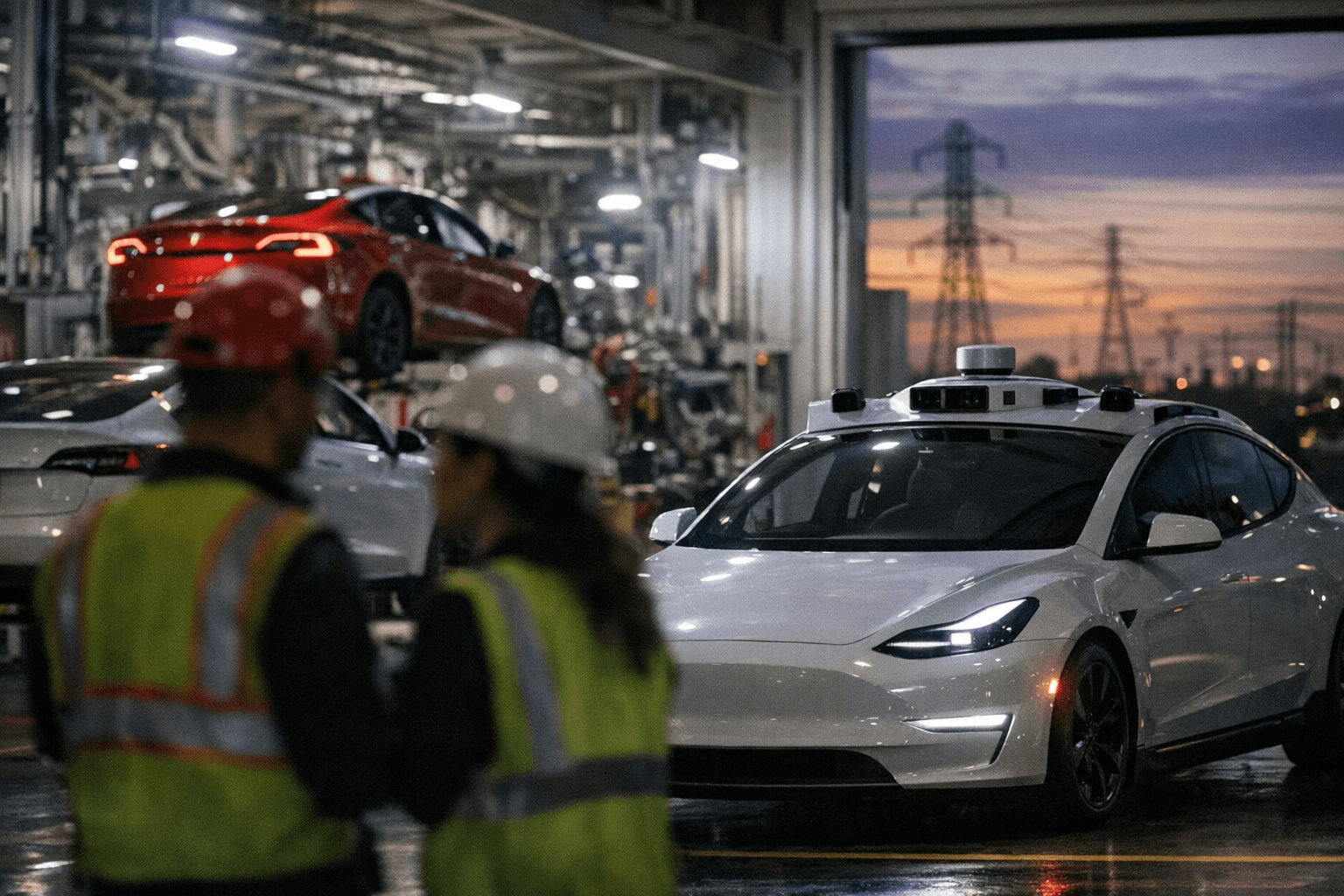
Tesla’s latest earnings came with a familiar split screen: a carmaker still under pressure and a market willing to value a bigger AI bet if Elon Musk can turn it into revenue. The company reported first-quarter results after market close on April 22, with investors focused less on near-term vehicle sales than on whether Tesla could show real progress in autonomy, robotaxis and humanoid robots.
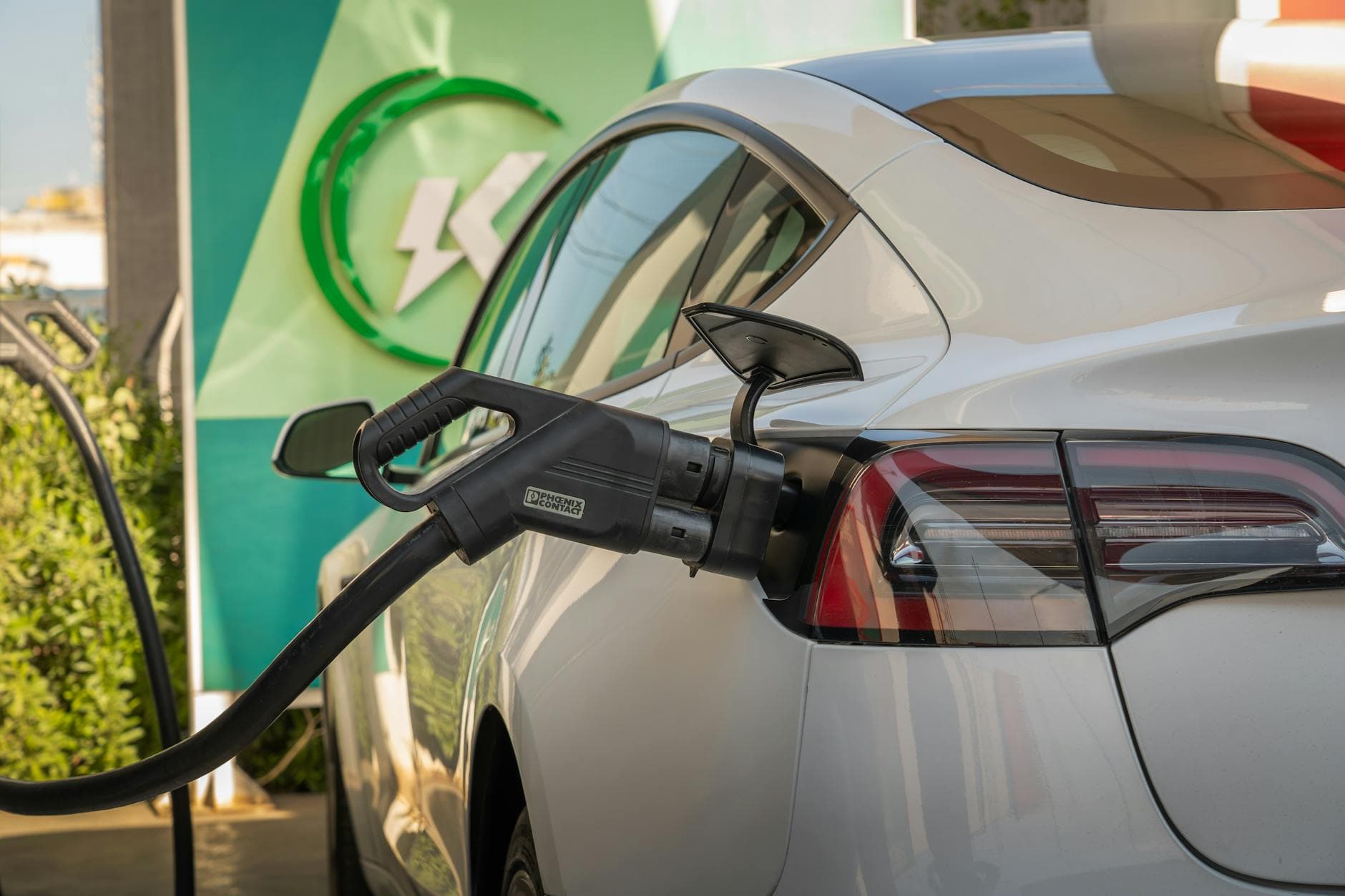
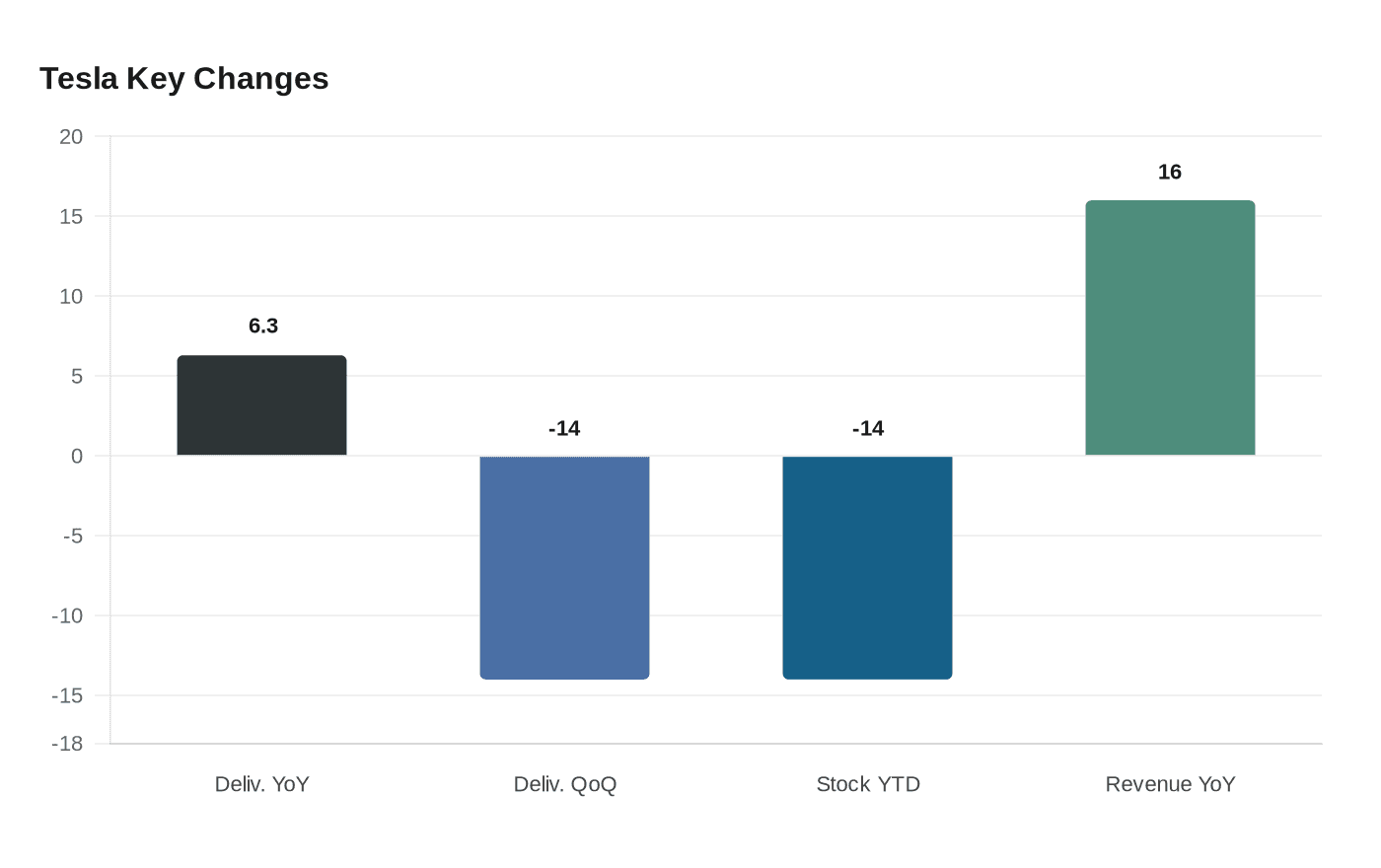
Tesla said it produced more than 408,000 vehicles and delivered more than 358,000 in the quarter, along with 8.8 GWh of energy storage products. Deliveries rose about 6.3% from a year earlier, but they still fell 14% from the prior quarter and missed some analyst expectations after a year of weakening demand pressures. Competition in the electric-vehicle market has intensified, including from BYD in China, and Tesla’s core auto business has been losing some of the momentum that once defined the company’s growth story.
The stock has reflected that tension. Tesla shares had fallen about 14% year to date as of the close on April 22, lagging its megacap peers and signaling investor skepticism about whether the current business can support the company’s valuation without faster progress in future technologies. Revenue still increased 16% in the quarter from $19.3 billion a year earlier, but the earnings backdrop was shaped by the market’s bigger question: how soon can Tesla make autonomy pay?
That question mattered even more as Tesla pushed its Robotaxi service into Dallas and Houston around April 21 and 22. Reports described availability in the new markets as extremely limited, a reminder that the service remains at an early stage and far from becoming a major revenue contributor. Tesla first built its growth case around cars; now it is asking investors to tolerate weaker auto fundamentals while it chases a longer-dated payoff from self-driving taxis and robotics.
For now, that pivot remains more promise than proof. Tesla’s long-term strategy is centered on AI, robotaxis and robotics, but those businesses are still not generating significant commercial sales. The company’s earnings call offered another test of whether Musk can persuade investors that the next phase of Tesla’s growth is close enough to matter, even as the car business continues to bear the burden of today’s results.
This article was produced by Prism’s automated news system from verified source data, official records, and press releases, then run through automated quality and moderation checks before publishing. The system is built and supervised by the people who set the standards it runs under. Read our full AI policy.
Did this article answer your question?

