Reuters poll: Fed seen delaying rate cuts as war fuels inflation fears
Rate-cut relief is slipping as war-driven energy costs keep inflation hot, with 56 of 103 economists seeing no Fed move before October.
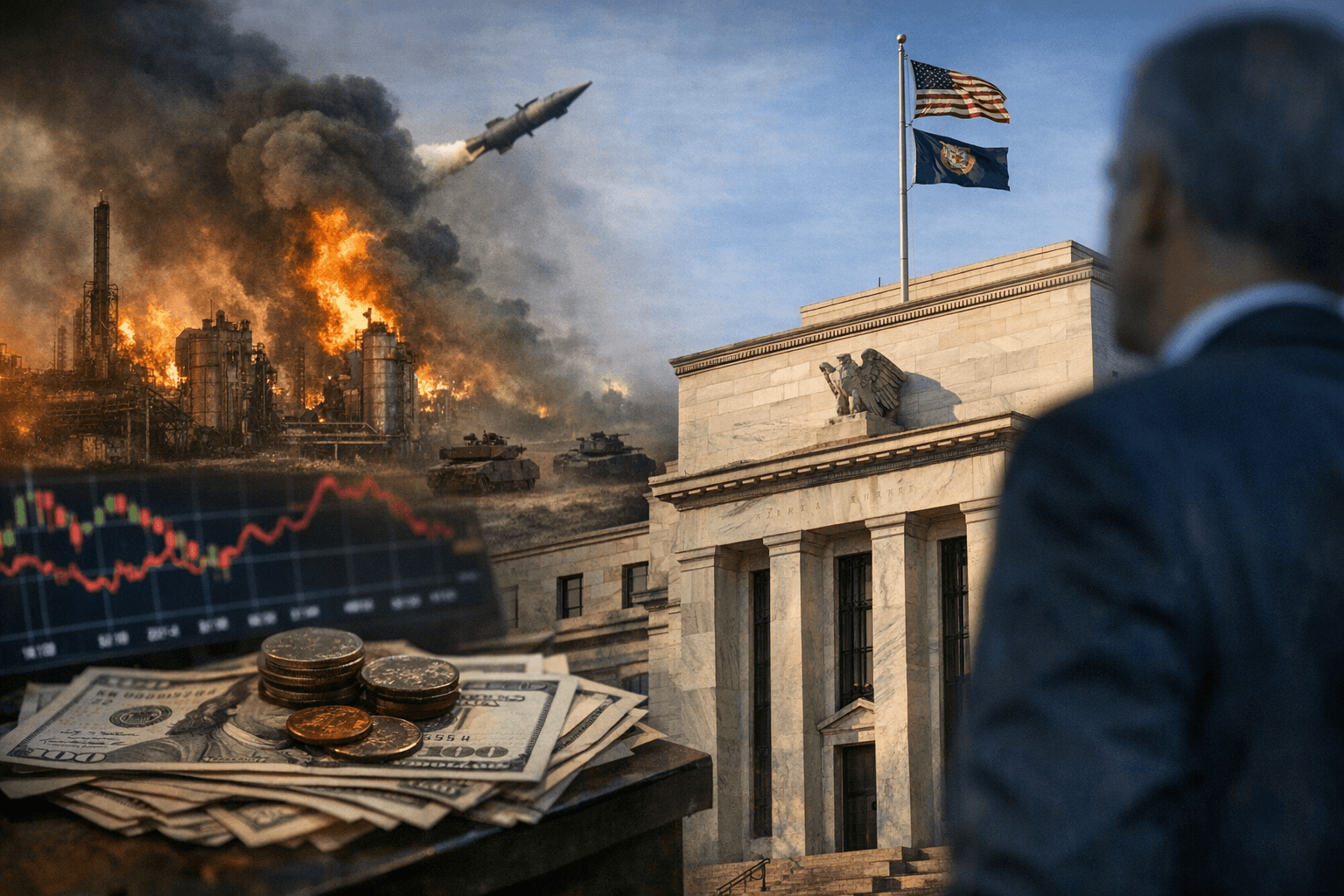
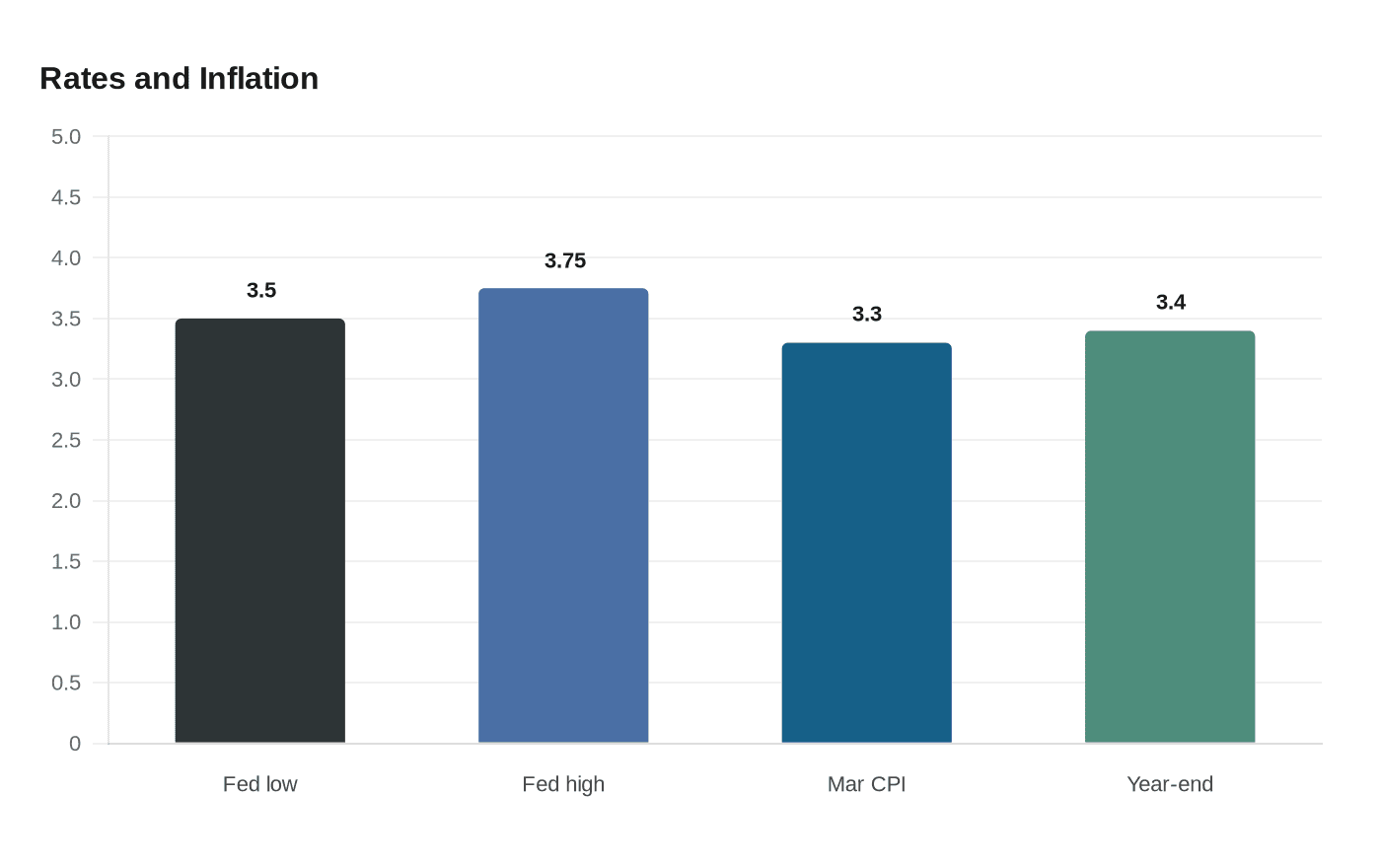
Borrowers waiting for cheaper mortgages, car loans and credit-card rates may have to wait longer. In a poll of 103 economists taken April 17-21, 56 said the Federal Reserve would keep its benchmark rate in the 3.50% to 3.75% range through the end of September, and nearly a third expected no rate cuts at all in 2026.
That is a sharper shift than earlier expectations, when more forecasters were looking for relief by June or sooner. The new timing reflects a war-driven energy shock that has pushed gasoline and other costs higher, while making it harder for policymakers to justify easing before inflation clearly cools. The median forecast still points to one cut by year-end, but the path to that cut is moving later, which keeps borrowing costs elevated for households and businesses that had counted on lower rates this summer.
The Federal Reserve held its target range at 3.50% to 3.75% at its March 17-18 meeting. Its own March Summary of Economic Projections still showed a median year-end rate of 3.4%, consistent with one cut in 2026. But the poll suggests economists are increasingly skeptical that timeline will hold if energy prices remain elevated. When policy stays tighter for longer, mortgage rates, auto financing, credit-card interest and commercial borrowing costs all stay more expensive for longer too.
The inflation backdrop has worsened at the same time consumer confidence has weakened. Reuters reported April 10 that U.S. consumer prices rose 3.3% in March, the fastest pace in nearly four years, as the war with Iran sent gasoline and diesel prices sharply higher. The University of Michigan’s preliminary April consumer sentiment reading then fell to 47.6, a record low, underscoring how quickly households are feeling the strain at the gas pump and across everyday spending.
The Fed still has room to cut later this year if inflation eases, and Governor Christopher Waller said on April 17 that a quick end to the war could keep that door open. But with war risks still feeding fuel prices and inflation fears, the market’s countdown to cheaper credit has become much less certain. Kevin Warsh’s April 21 Senate Banking Committee hearing added another layer of uncertainty as Trump’s nominee to lead the Fed faced scrutiny over the central bank’s future direction.
This article was produced by Prism’s automated news system from verified source data, official records, and press releases, then run through automated quality and moderation checks before publishing. The system is built and supervised by the people who set the standards it runs under. Read our full AI policy.
Did this article answer your question?

