GE Aerospace keeps profit outlook, warns of oil prices and slower growth
GE Aerospace held its profit target, but slower flight growth and a longer oil shock point to rising pressure on airlines, fares and aircraft demand.

GE Aerospace kept its 2026 profit outlook intact and said it was still on track to hit the high end of the range, but the engine maker also signaled that airlines face a tougher stretch as oil prices stay high and growth cools.
The company said adjusted earnings should come in between $7.10 and $7.40 a share this year, while its estimate for flight departures was trimmed to flat to low-single-digit growth from an earlier mid-single-digit forecast. GE now assumes Brent crude will remain elevated through the third quarter before easing later in 2026, a cautious view that matters far beyond the factory floor. Higher jet fuel costs tend to hit airline margins first, then travel schedules, then fares, which is why GE’s warning reads like an early signal for U.S. travelers and for the wider aviation supply chain.
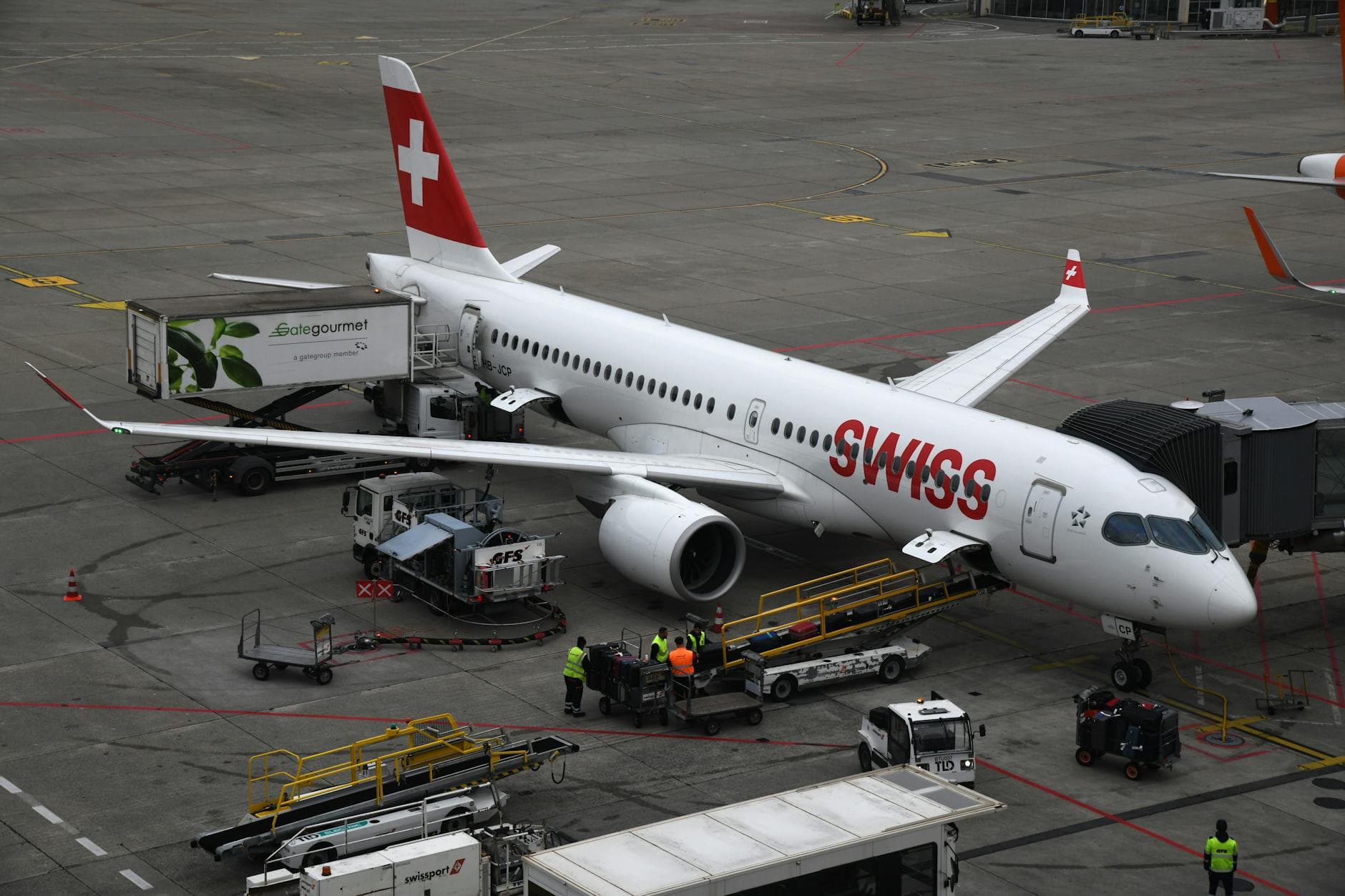
The backdrop is the Middle East fuel shock. The U.S. Energy Information Administration said the Strait of Hormuz had been effectively closed to shipping since military action began on February 28, Brent crude averaged $103 a barrel in March and surged to almost $128 on April 2, and disruptions could continue through late 2026. Willie Walsh of the International Air Transport Association has said jet fuel supply could take months to normalize even if the Strait reopened, and fuel typically accounts for about 27% of airline operating expenses. That leaves carriers exposed to a prolonged squeeze, especially if they have to protect cash by cutting capacity or postponing spending.
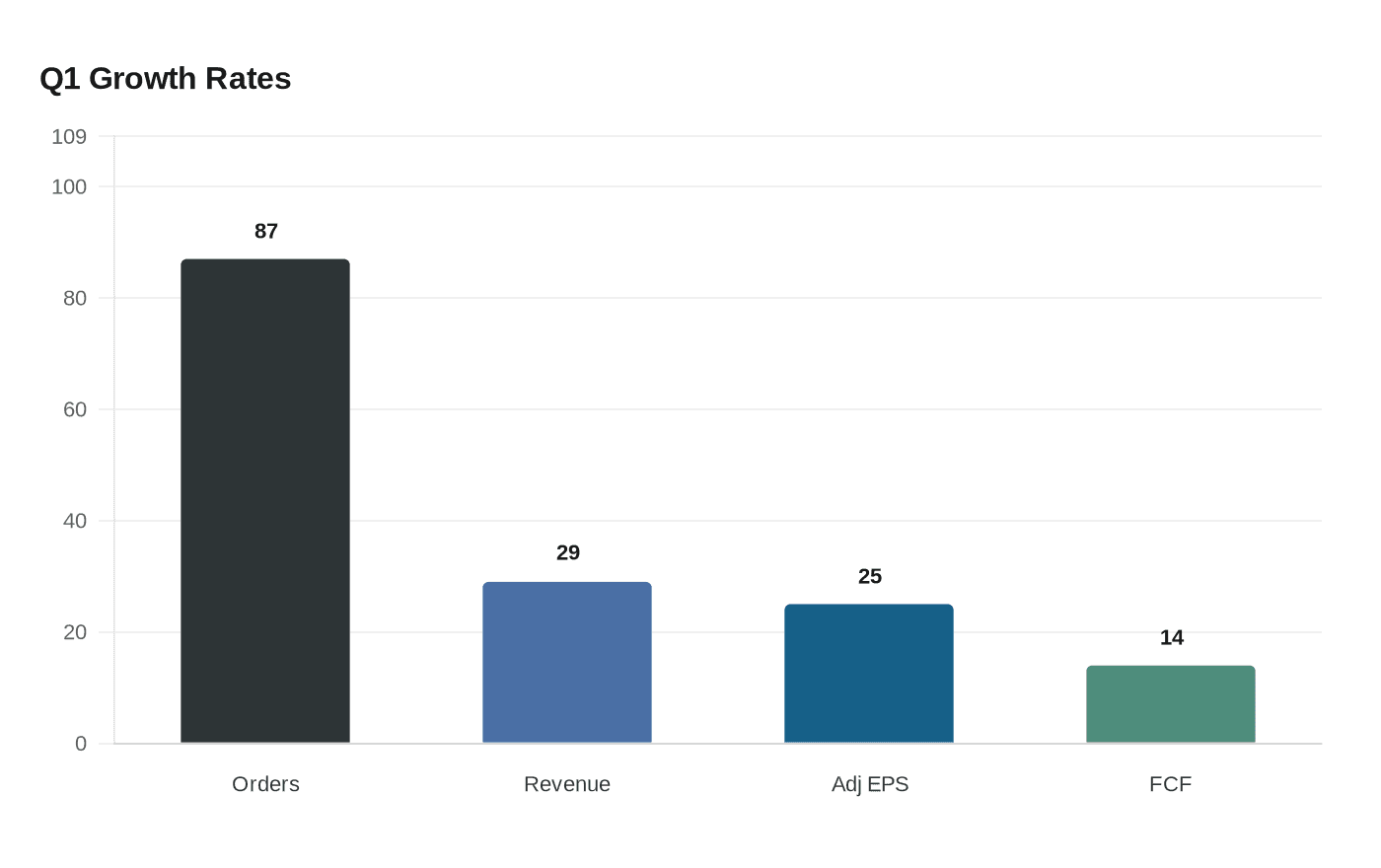
GE’s first-quarter numbers showed why management still feels confident. Total orders jumped 87% to $23.0 billion, adjusted revenue rose 29% to $11.6 billion, adjusted earnings climbed 25% to $1.86 a share, and free cash flow increased 14% to $1.7 billion. H. Lawrence Culp, Jr. said the company was “trending toward the high-end” of guidance, a comment that reflects strong near-term demand even as the macro picture darkens.
The company also has a built-in buffer that many suppliers do not. GE said its commercial services backlog was about $170 billion, and its 2025 annual report says aftermarket services make up about 70% of revenue, supported by an installed base of roughly 50,000 commercial engines and 30,000 military engines. GE says Commercial Engines & Services and CFM International power nearly three out of every four commercial flights, which means the company can absorb some airline stress before it shows up in engine orders. But if fuel stays expensive into the second half of the year, the first signs of strain will likely appear in narrower airline schedules, softer maintenance spending and more cautious aircraft buying.
This article was produced by Prism’s automated news system from verified source data, official records, and press releases, then run through automated quality and moderation checks before publishing. The system is built and supervised by the people who set the standards it runs under. Read our full AI policy.
Did this article answer your question?

