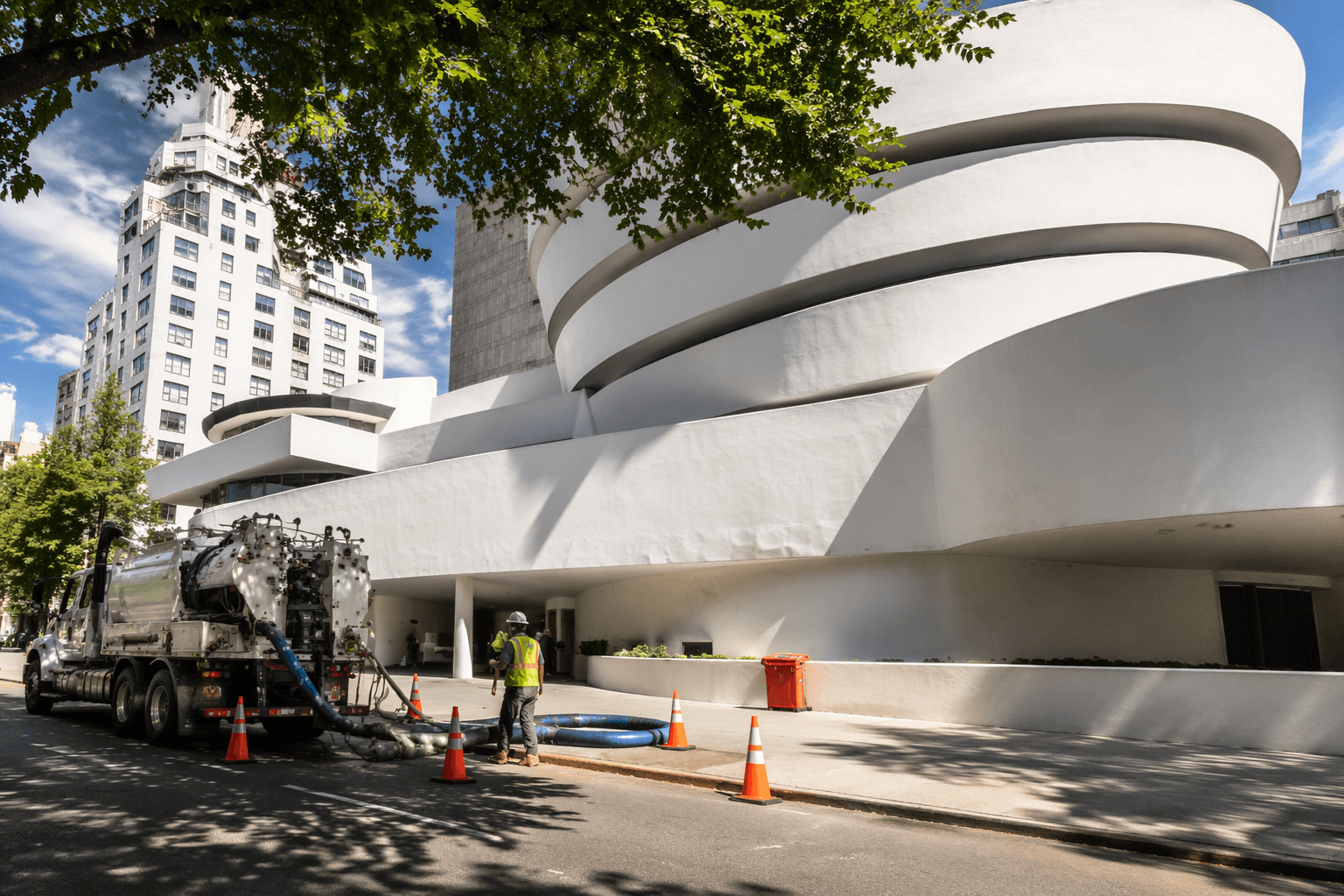
Guggenheim Museum among 31 Upper East Side buildings with Legionella hits
The city named the Guggenheim and 30 other Upper East Side buildings after Legionella showed up in cooling-tower tests. It is the first public address list in the outbreak.

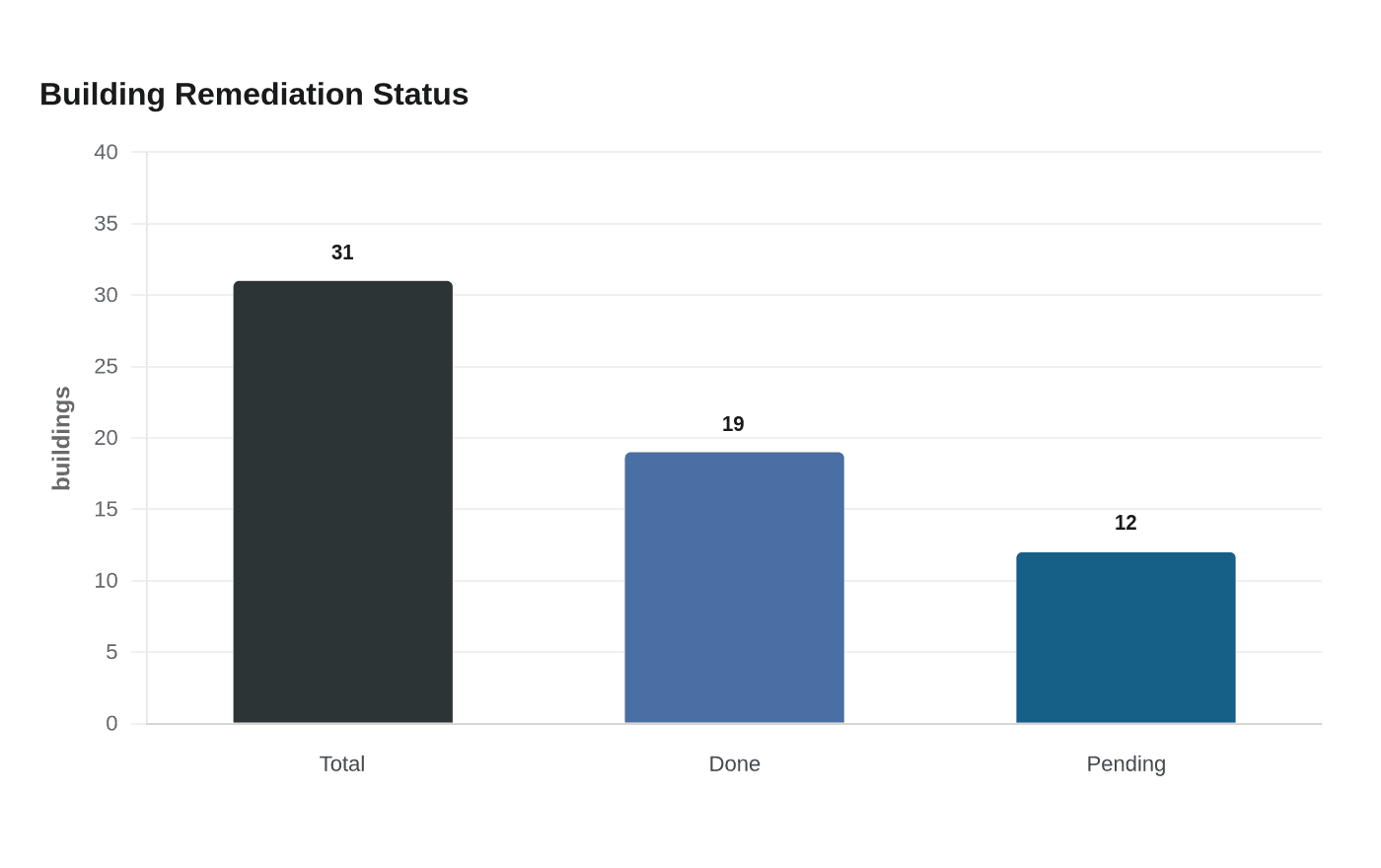
The city put the Guggenheim Museum and 30 other Upper East Side buildings on a public preliminary list after cooling towers in each one tested positive for Legionella in initial PCR screening. Nineteen of the 31 buildings had already finished remediation and the remaining 12 were expected to be done by July 11.
That visibility does not mean the city has identified the source of the outbreak. A positive PCR result can detect dead as well as live bacteria, and only live Legionella can cause illness. Culture testing on every sampled cooling tower was still underway and can take up to two weeks. Buildings with positive screens were ordered to clean and disinfect their cooling towers immediately rather than wait for confirmatory culture results.
The cluster was first identified on July 2 in Carnegie Hill and Yorkville, in ZIP codes 10028 and 10128, before expanding to ZIP code 10075 after at least one case involved a person who lived, worked or had visited that area. By July 10, the city had 54 cases, 18 current hospitalizations and no deaths. On July 6, the mayor’s office put the number of sickened people at at least 23. More than 100 Health Department staff members were mobilized for the investigation and outreach.

Legionnaires’ disease is a type of pneumonia caused by Legionella bacteria that grow in warm water. Cooling towers can spread contaminated water mist outdoors, which is why they have been tied to previous community clusters. Older adults, smokers and people with weakened immune systems face the highest risk of severe illness, and the disease can become serious quickly if not treated. The city said it remained safe to shower, drink tap water and use air conditioners in the affected ZIP codes, and it repeated that Legionnaires’ disease is not spread person to person.
New city rules that took effect May 8 require cooling towers to be tested for Legionella every 31 days while operating, up from every 90 days. The city points to the 2015 South Bronx outbreak, when a single cooling tower was linked to 138 cases and 16 deaths, as the reason for tighter oversight.
This article was produced by Prism’s automated news system from verified source data, official records, and press releases, then run through automated quality and moderation checks before publishing. The system is built and supervised by the people who set the standards it runs under. Read our full AI policy.
Did this article answer your question?