Novo Nordisk evaluates year-long GLP-1 implant for weight loss maintenance
Novo Nordisk will evaluate Vivani's semaglutide implant after preclinical data showed about 20% weight loss from one dose. The test is long-term adherence.
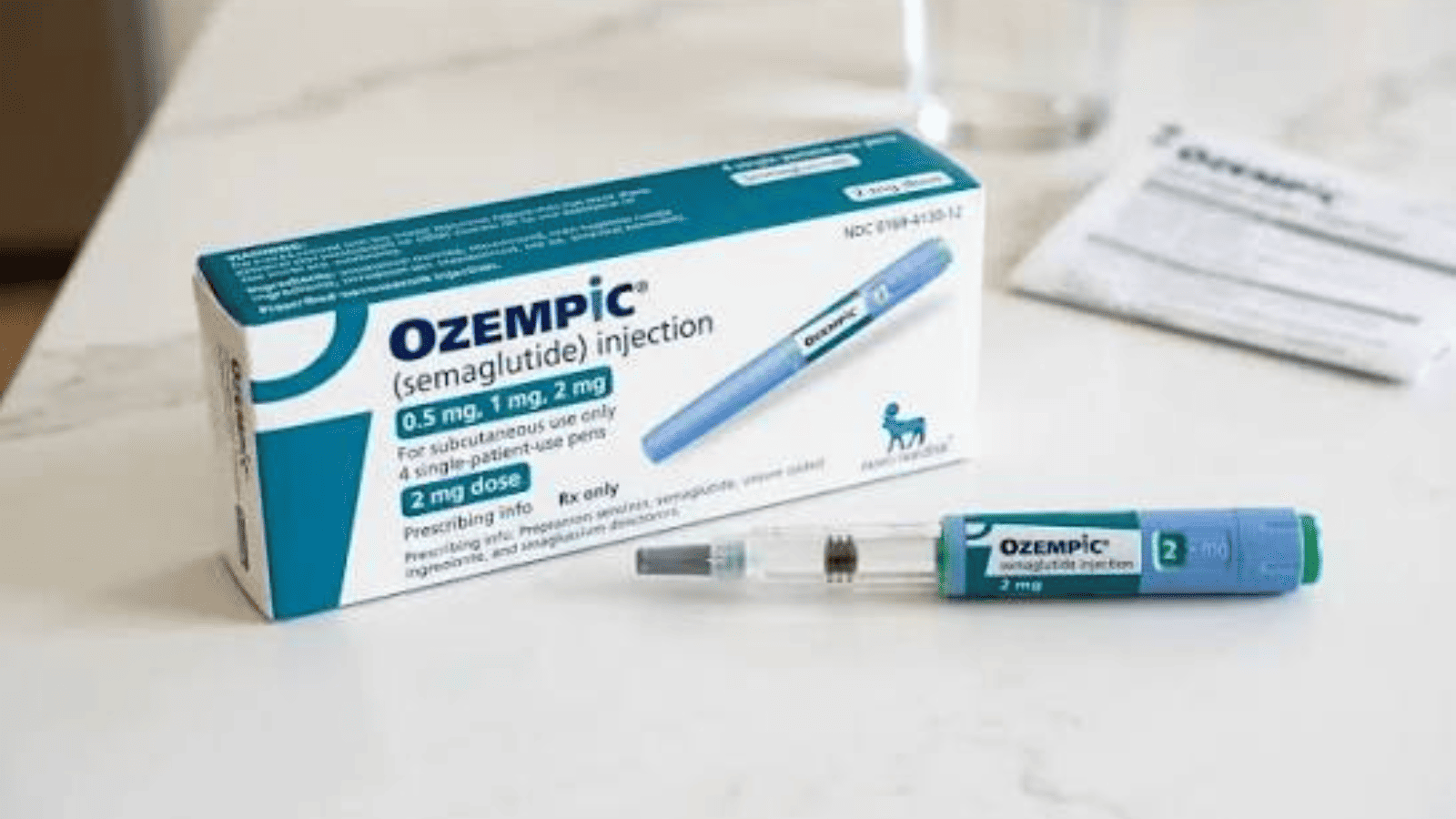
Novo Nordisk agreed on July 7 to evaluate Vivani Medical’s semaglutide implant NPM-139, a small device the companies are pitching as a possible answer to the hardest part of obesity care: keeping people on treatment. Vivani, based in Alameda, California, says the arrangement is a non-exclusive internal evaluation of semaglutide implants, and the product uses its NanoPortal platform technology. Novo Nordisk, based in Denmark, sells semaglutide as Wegovy for obesity and Ozempic for diabetes.
The appeal is straightforward. GLP-1 drugs can drive major weight loss, but stopping them often leads to regain. In the STEP 1 extension study, adults who discontinued once-weekly semaglutide 2.4 mg regained about two-thirds of their prior weight loss within one year, a pattern that underscores obesity as a chronic condition rather than a short course of treatment. That is the commercial and clinical opening Vivani is trying to exploit with a device meant for maintenance, not for starting therapy.
Vivani said in March 2025 that preclinical data from NPM-139 produced nearly 20% placebo-adjusted weight loss from a single administration, with dosing expected once or twice a year. In August 2025, the company said preclinical feasibility data showed about 20% weight loss maintained for longer than six months with one implant, and it said the long-term goal could be annual dosing. Vivani also said clinical development was expected to begin in 2026, pending regulatory clearance.

That promise still sits well before any proof in people. The implant has not yet demonstrated clinical efficacy in patients, and the larger questions around safety, reversibility and how a long-acting implant would be priced against weekly injections remain unsettled. A device that releases semaglutide under the skin for months could reduce the friction of repeated injections, but it would also lock patients into a treatment profile that would need to be shown safe, removable if necessary, and economically competitive.
The timing matters because Wegovy has already moved beyond weight loss alone. The U.S. Food and Drug Administration first approved the drug on June 4, 2021, for chronic weight management, then added a cardiovascular risk-reduction indication in adults with established cardiovascular disease and either obesity or overweight. Novo Nordisk’s evaluation of NPM-139 shows how quickly the next debate in obesity treatment has shifted: not whether semaglutide works, but how long patients can realistically stay on it.
This article was produced by Prism’s automated news system from verified source data, official records, and press releases, then run through automated quality and moderation checks before publishing. The system is built and supervised by the people who set the standards it runs under. Read our full AI policy.
Did this article answer your question?