Guinea-Bissau suspends U.S.-backed newborn hepatitis B trial amid ethics review
Guinea-Bissau paused a U.S.-funded newborn hepatitis B randomized trial pending an ethics review.
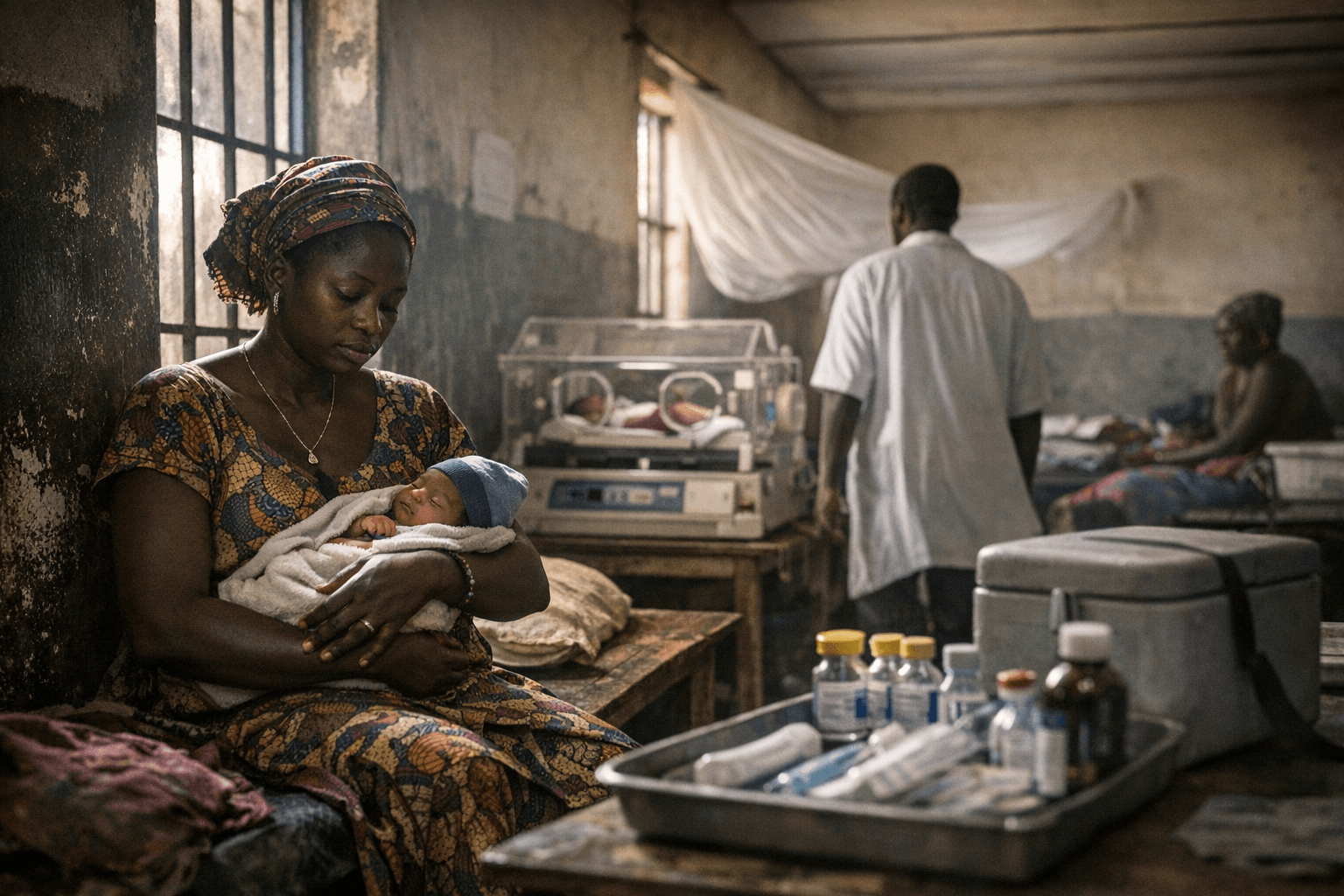
Guinea-Bissau’s government suspended a planned randomized trial of newborn hepatitis B vaccination after raising ethical concerns about the study, officials announced on Thursday. The trial had been funded through a U.S. contract and was described in news reports as supported by the Trump administration.
Authorities said an ethics review would examine the study’s design, oversight and consent processes before any work proceeds. Details released by the government and by reporting on the project indicate the proposed trial would involve randomization at birth, a step that has drawn scrutiny because hepatitis B birth dose vaccination is a widely recommended public health intervention to prevent lifelong infection.
Hepatitis B is a bloodborne and perinatal infection that can lead to chronic liver disease and cancer. Worldwide, health organizations have long supported a timely birth dose of vaccine to interrupt mother-to-child transmission. Researchers and public health officials say randomized trials that alter standard vaccination timing or omit proven interventions can raise serious ethical questions, especially when involving newborns and other vulnerable groups.
The suspension signals broader tensions in global health research about power, consent and equity. The involvement of a U.S. contract, and media descriptions linking the work to a former U.S. administration, have intensified scrutiny over how international partnerships are structured and whether communities in low and middle income countries retain sufficient agency over studies conducted on their populations.
Guinea-Bissau, a small West African nation that has been the site of international health research for decades, has seen both public health gains and controversies tied to outside-funded studies. Public trust in vaccination programs and health authorities can be fragile, experts say, and abrupt moves to test variations on accepted vaccine regimens risk fueling hesitancy if community engagement is limited or if oversight appears opaque.
The ethics review could examine whether the proposed randomization would withhold or delay a birth dose from infants who might otherwise receive it under national or international guidelines, how parental consent would be obtained in the immediate postpartum period, and what measures would be in place to monitor and protect participants. It will also look at accountability mechanisms between funders, researchers and the Ministry of Health.
Beyond the immediate trial, the suspension raises questions for policy makers and funders about standards for conducting vaccine trials in settings where the intervention under study is already standard practice. The situation underscores a need for clearer international guidance on research where clinical equipoise is in doubt and where power imbalances may affect decision making.
For communities, the priority remains clear: protecting infants from preventable infections while ensuring that research respects local norms and rights. The ethics review offers an opportunity for health authorities to engage local health workers, parents and civil society in transparent deliberation about risks and benefits.
As the review proceeds, public health leaders face a dual task: safeguarding newborns according to best available evidence and rebuilding community confidence in vaccination programs. How Guinea-Bissau navigates that balance may influence not only the fate of this trial but also broader practices for international health research and equitable partnerships in the region.
This article was produced by Prism’s automated news system from verified source data, official records, and press releases, then run through automated quality and moderation checks before publishing. The system is built and supervised by the people who set the standards it runs under. Read our full AI policy.
Did this article answer your question?