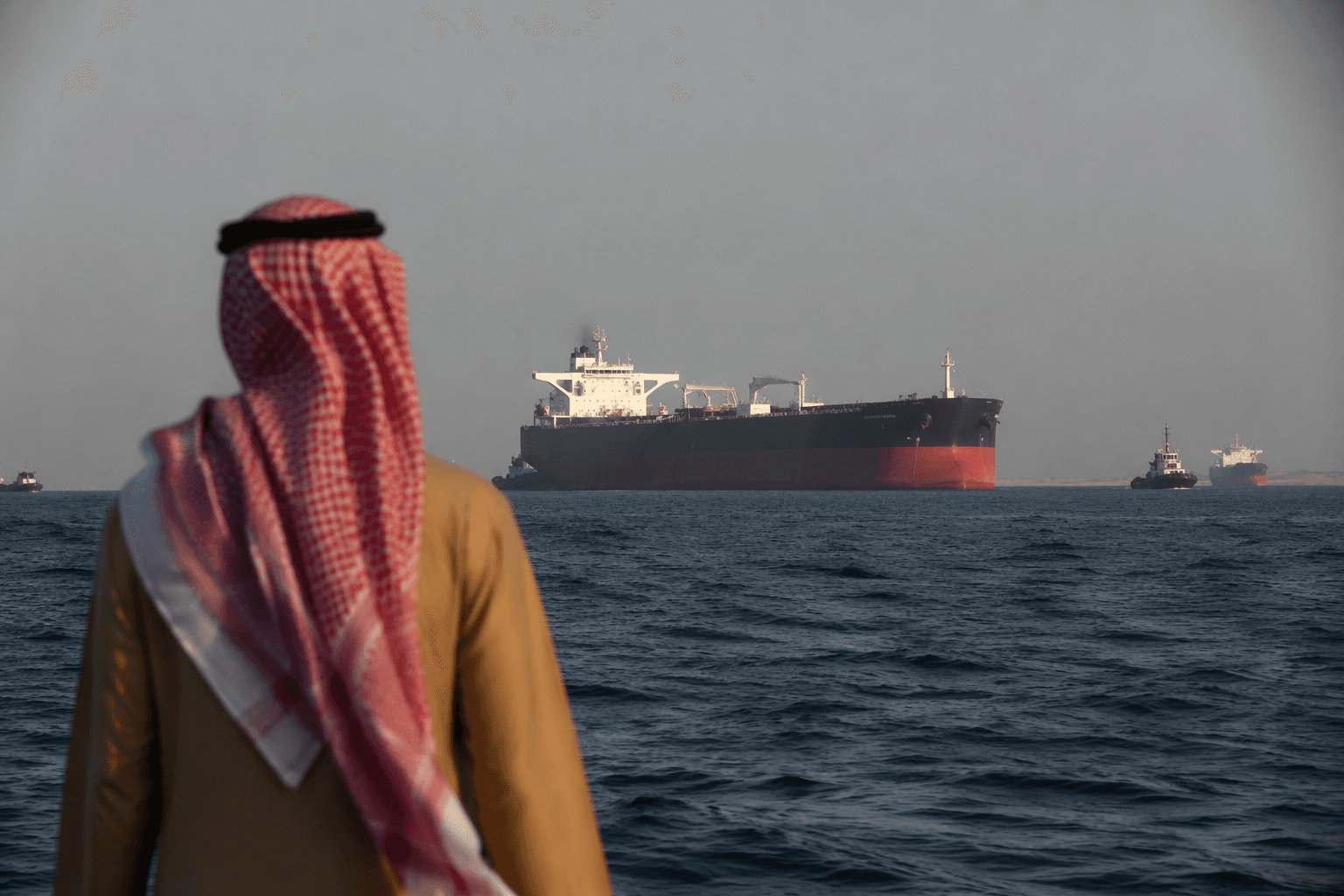
Gulf Sovereign Wealth Funds Commit $24 Billion to Paramount's $81 Billion Warner Deal
Saudi Arabia's PIF leads $24B in Gulf sovereign capital backing Paramount's bid for CNN, HBO, and Warner Bros. studios as senators demand a CFIUS probe.
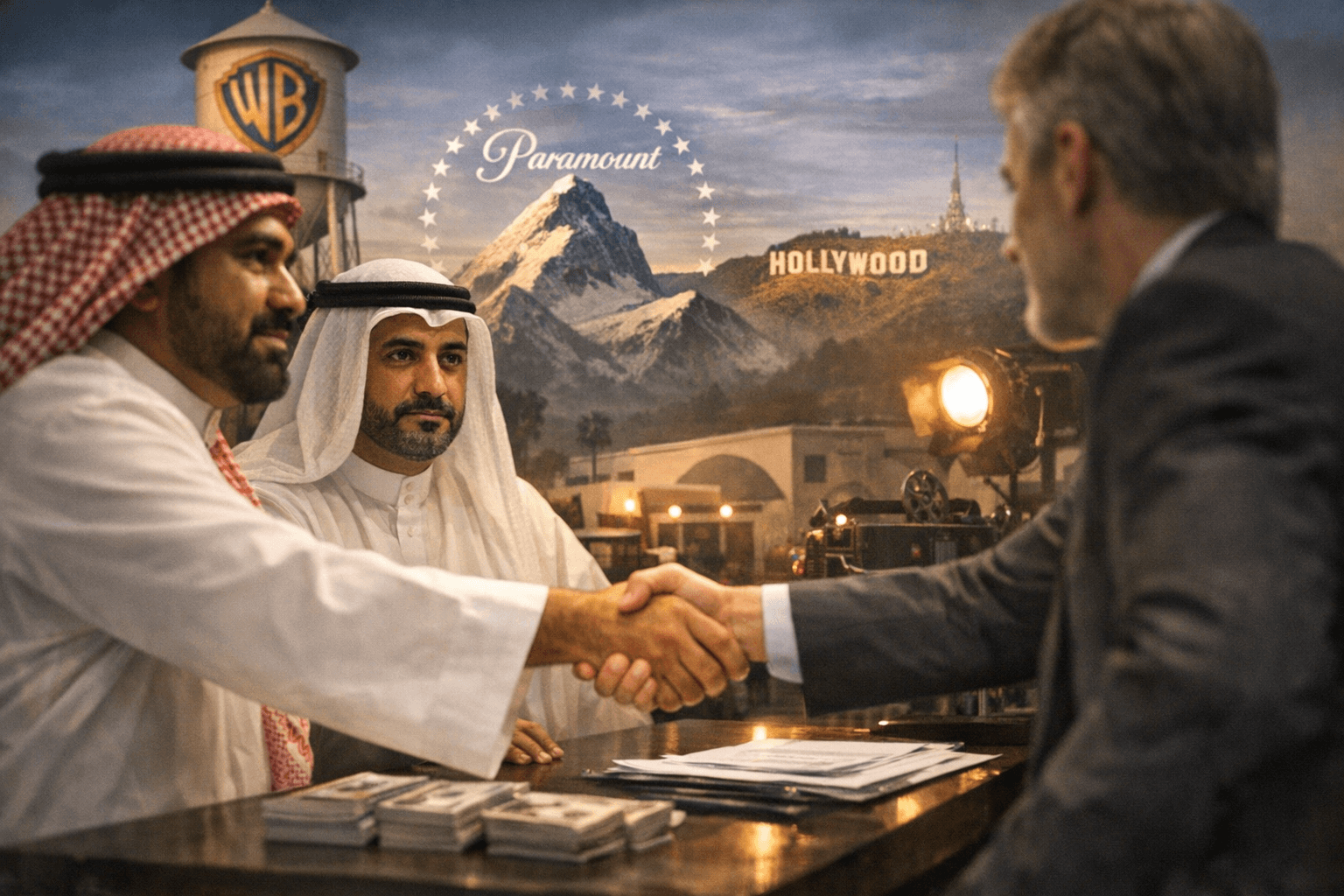
Three Gulf sovereign wealth funds have committed approximately $24 billion to back Paramount Skydance's $81 billion takeover of Warner Bros. Discovery, a deal that would hand CNN, HBO Max, and Warner Bros.' film and television studios to a media company partially financed by governments in Riyadh, Doha, and Abu Dhabi.
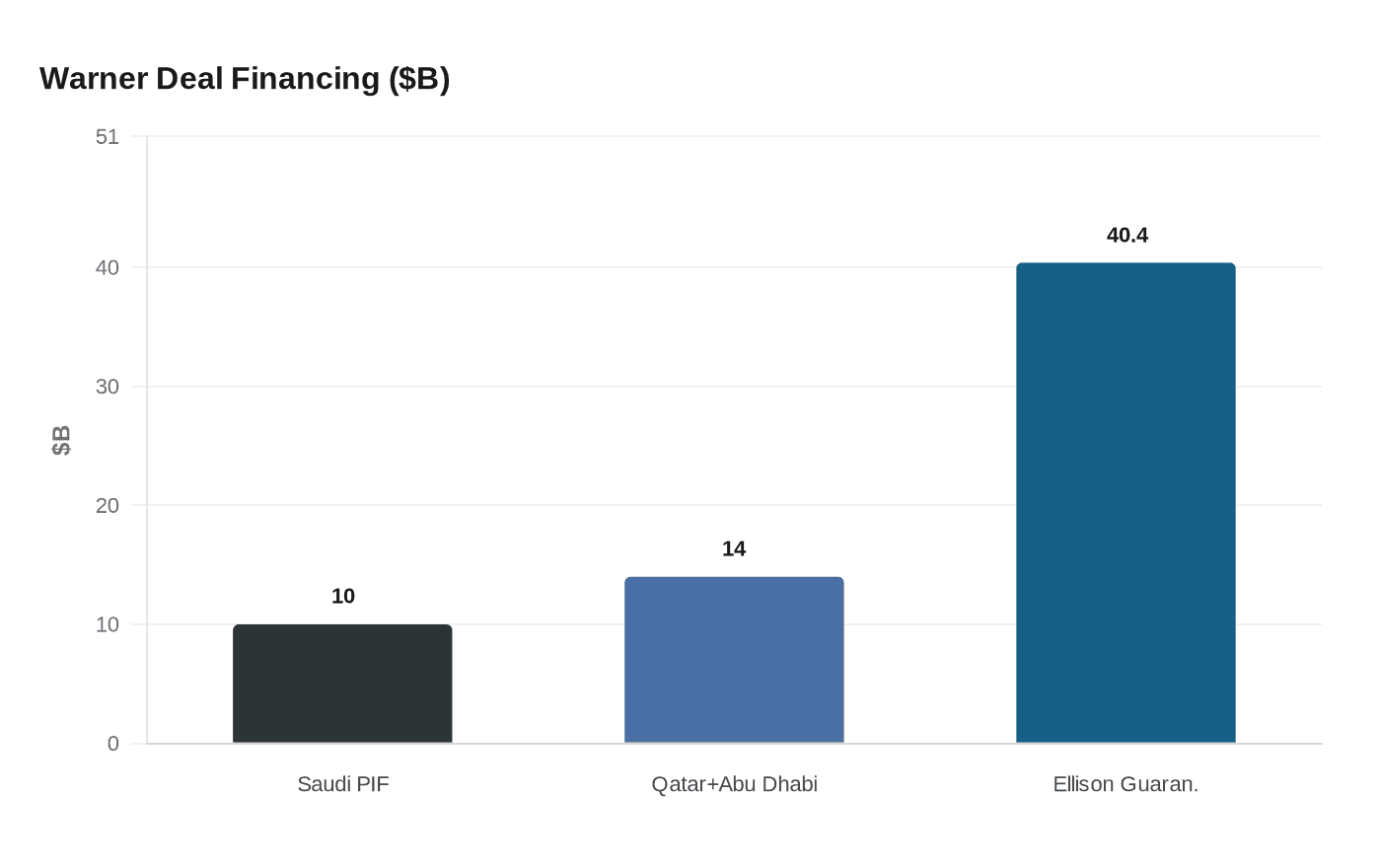
Saudi Arabia's Public Investment Fund, which Crown Prince Mohammed bin Salman controls, is contributing roughly $10 billion, the largest single slice of the Gulf commitment. The Qatar Investment Authority and Abu Dhabi's L'imad Holding Company PJSC are providing the remaining approximately $14 billion. Together the three funds account for roughly 30 percent of the total transaction value, with the rest of the financing anchored by a $40.4 billion irrevocable personal guarantee from Larry Ellison, the Oracle co-founder and father of Paramount Skydance CEO David Ellison.
The investment structure was deliberately designed as non-voting equity, meaning the Gulf states receive no governance rights or board representation over what would become one of the largest media companies in American history. That arrangement has not quieted regulators or lawmakers. Senators led by Sen. Cory Booker (D-N.J.) demanded the FCC conduct a "full and independent" probe of the merger, warning that the "constellation of foreign investment from China and from Gulf states...demands rigorous, not perfunctory, review."
Senators Elizabeth Warren and Richard Blumenthal separately criticized the Trump administration for failing to initiate a CFIUS review. CFIUS, led by the Treasury Department, is the interagency body charged with evaluating foreign investments in U.S. businesses for national security risks. Warren argued that American consumers could face higher prices and fewer choices if foreign actors gain influence over properties that include CBS News and CNN.
David Ellison moved to preempt those concerns in March, telling CNBC that "editorial independence will absolutely be maintained" at CNN under the new ownership. Netflix co-CEO Ted Sarandos offered a contrasting view before pulling his company from the bidding, calling the Gulf sovereign backing a "bad idea" and questioning how financiers from a region "not very big on the First Amendment" would behave when editorial disputes eventually arose.
The geopolitical backdrop adds a further layer of complexity. Gulf funds are "recalibrating American investments," including their commitment to the Paramount-Warner deal, as the Iran conflict continues. Georgetown University political economist Robert Mogielnicki has noted that all three Arab states are actively seeking to diversify beyond oil-based economies and project influence in the global media space, making a single entertainment mega-deal serve dual purposes: financial return and soft power.
The deal still faces an open investigation from the California Department of Justice, a 10-day DOJ antitrust waiting period following Paramount's compliance with a December 2025 Second Request for Information, and California Attorney General Rob Bonta's assessment in February that the merger "is not a done deal." Former federal prosecutor Neama Rahmani predicted the process would "probably drag out past the midterms," a timeline that leaves the Gulf funds' $24 billion bet in regulatory limbo well into 2027.
This article was produced by Prism’s automated news system from verified source data, official records, and press releases, then run through automated quality and moderation checks before publishing. The system is built and supervised by the people who set the standards it runs under. Read our full AI policy.
Did this article answer your question?