Gunmen kill at least 11 at soccer match in central Mexico town
Gunmen opened fire at the end of a local soccer match in Salamanca, killing 11 and wounding 12; the attack underscores persistent cartel violence and economic risk.
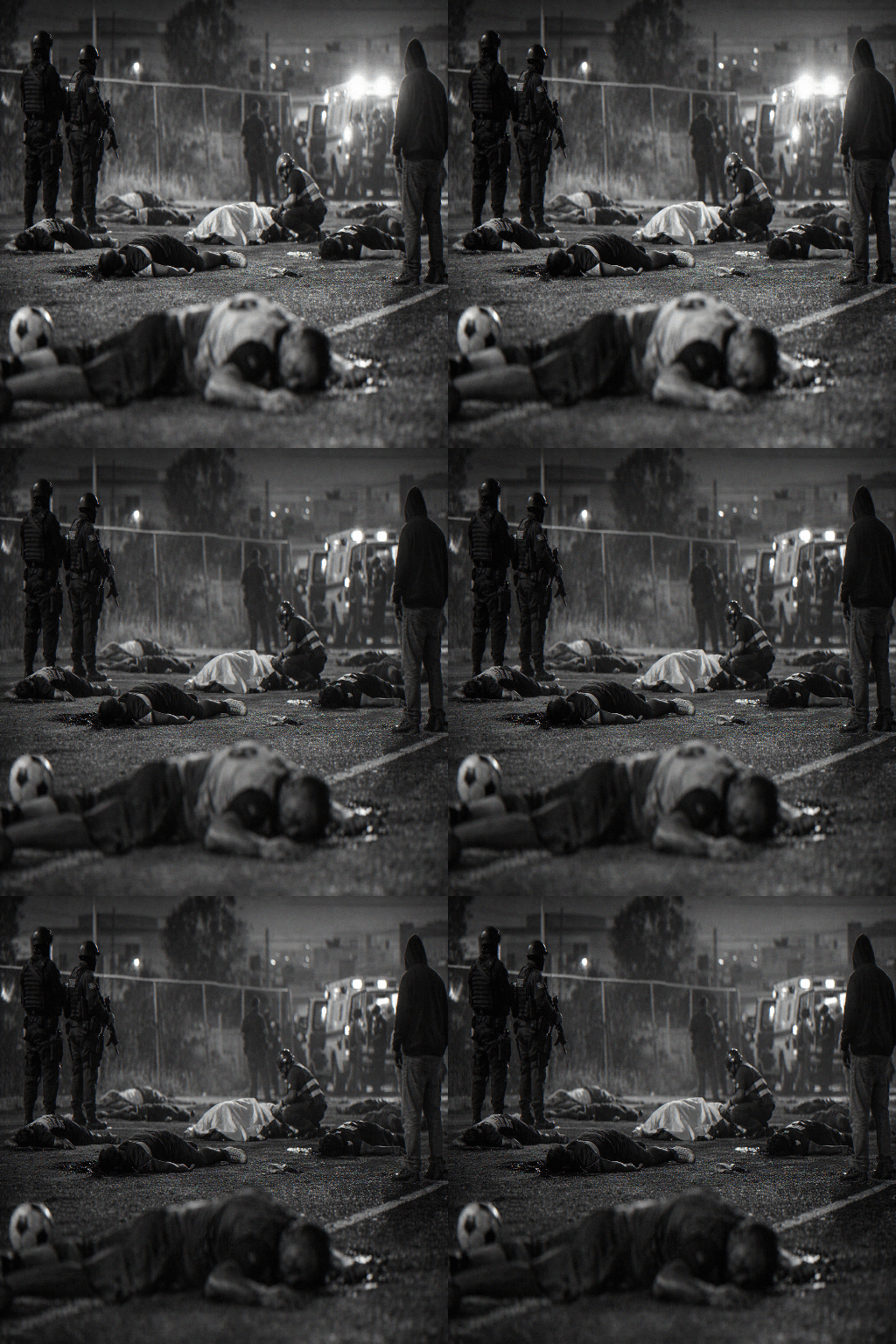
At least 11 people were killed and 12 wounded when gunmen opened fire at the end of a local soccer match in Salamanca in the central Mexican state of Guanajuato, authorities said. The attack unfolded as players and spectators were leaving the field, turning a community sport into a scene of mass casualties.
Mayor César Prieto said attackers arrived in several vehicles and fired indiscriminately. Local emergency services transported the wounded to nearby hospitals, where medical teams treated gunshot wounds ranging from minor to life threatening. Municipal officials closed the area for the initial investigation and called for reinforcements from state security forces.
Guanajuato has been one of Mexico’s most violent states for several years, and mass shootings at public gatherings have become an alarming manifestation of organized criminal conflict. The violence in the state has repeatedly targeted civilians in public spaces, contributing to a climate of fear that local leaders say undermines daily life and community cohesion.
The attack is likely to reverberate beyond the immediate human toll. Salamanca is home to major industrial facilities and supply-chain links in the Bajío manufacturing corridor, and such episodes raise security costs for companies operating in the region. Business leaders and investors typically price higher insurance premiums, increased private security spending, and greater logistical complexity into operations after high-profile attacks. Those costs in turn can blunt local economic activity and deter new investment, compounding the social damage of violence.
Public policy implications are stark. State and municipal authorities face renewed pressure to bolster policing, improve intelligence sharing, and pursue prosecutions that break the cycle of impunity. At the same time, analysts caution that a purely militarized response risks short-term suppression without addressing root causes such as organized crime fragmentation, illicit markets, and limited economic opportunities that fuel recruitment. The balance between enforcement and prevention will be central to the policy debate in Guanajuato and nationally.
Long-term trends suggest a stubborn challenge. Attacks on civilians at public events reflect both the territorial disputes among criminal groups and a strategy of intimidation aimed at controlling communities and sending messages to rivals. That pattern reduces consumer confidence and can shift local labor markets as residents alter routines, avoid public spaces, or migrate in search of safety. Over time, persistent insecurity can erode municipal revenues and raise the cost of producing goods, with spillovers to regional growth.
Federal and state investigators have opened probes into the Salamanca shooting. Authorities typically analyze vehicle traces, surveillance footage, and communications to identify perpetrators, but breakthroughs are often slow in regions where gangs operate with deep local knowledge. For families and neighbors in Salamanca, the immediate needs are medical care for the wounded and support for the bereaved; for policymakers and markets, the challenge is whether sustainable strategies can be deployed to restore public safety and economic confidence.
This article was produced by Prism’s automated news system from verified source data, official records, and press releases, then run through automated quality and moderation checks before publishing. The system is built and supervised by the people who set the standards it runs under. Read our full AI policy.
Did this article answer your question?


