H5N1 Detected at Northern Israel Duck Farm; 2,000 Birds Affected
The World Organisation for Animal Health reported on January 6 that highly pathogenic H5N1 avian influenza struck a duck farm in Sde Yaakov, northern Israel, killing about 90 birds and prompting precautionary culling of the rest of an approximately 2,000‑bird flock. The outbreak, Israel’s first in about a year, renews concerns about poultry production, food security and the ongoing risk of viral spread from animals to people.
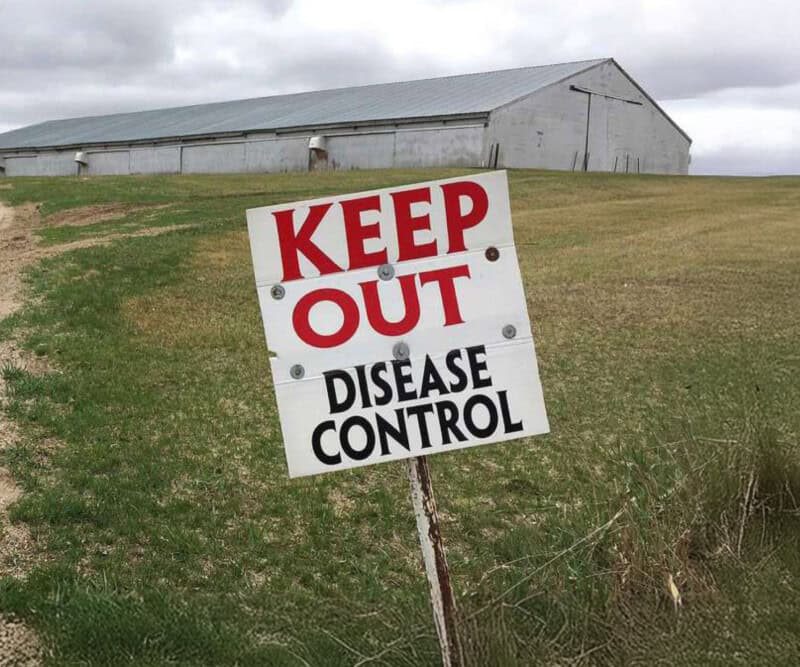
Israeli veterinary authorities notified the World Organisation for Animal Health (WOAH) on January 6 of an outbreak of highly pathogenic avian influenza, subtype H5N1, at a duck farm in the village of Sde Yaakov in northern Israel. The report said roughly 90 ducks died from the virus and the remaining birds in a flock described as approximately 2,000 were culled as a precautionary measure to contain the infection.
The detection marks the first reported avian influenza outbreak in Israel in about a year, according to WOAH’s notice. Authorities moved quickly to depopulate the affected premises, a standard containment response intended to limit virus amplification and spread to neighboring farms or wild birds. WOAH’s alert was circulated to veterinary networks and widely shared on social media, prompting attention from public health and agriculture officials.
The outbreak arrives amid a severe human influenza season in Israel, which has strained pediatric clinics and heightened public concern about respiratory illnesses. While H5N1 is primarily a disease of birds, its appearance on a commercial farm raises familiar questions about cross‑species transmission and the need for vigilant surveillance. To date, neither WOAH nor Israeli authorities have reported any confirmed human infections linked to the Sde Yaakov case.
WOAH’s communication cycle that included the Israeli notice also drew attention to large poultry losses in India’s southern state of Kerala. The organisation cited figures from Indian authorities indicating 11 outbreaks there last month, with around 54,100 birds reported dead and more than 30,000 culled as part of containment efforts. Those numbers reflect the broader disruption the pathogen continues to wreak on poultry sectors in multiple countries.

Beyond immediate animal losses, outbreaks of highly pathogenic avian influenza can ripple through food supply chains. Farm-level culling reduces marketable production and can force temporary trade restrictions and movement controls that affect feed suppliers, processors and retailers. For smallholders and regional suppliers, repeated incidents also threaten livelihoods and local food security.
Veterinary and public health experts emphasize early detection, rapid culling when necessary, strict farm biosecurity and monitoring of exposed workers as the core defenses against H5N1. In this episode, details on additional veterinary measures, surveillance of neighboring farms and genetic sequencing of the virus have not been made public. Those data would help assess whether the strain shows any worrying mutations that influence transmissibility or pathogenicity.
Israeli authorities have been notified through WOAH’s channel and are expected to provide further updates on follow-up testing, movement restrictions and any expanded surveillance. International health organisations continue to monitor the pattern of outbreaks as countries balance agricultural containment with the need to protect public health.
This article was produced by Prism’s automated news system from verified source data, official records, and press releases, then run through automated quality and moderation checks before publishing. The system is built and supervised by the people who set the standards it runs under. Read our full AI policy.
Did this article answer your question?