Hantavirus cruise outbreak kills three, stirs concern over person-to-person spread
Three deaths on the M/V Hondius have raised alarm, but health officials say the Andes hantavirus cluster has stayed limited to close contact on board.

Three deaths aboard the M/V Hondius have put a harsh spotlight on a rare hantavirus cluster, but public health officials say the episode is serious without looking like a pandemic threat. The key reason is transmission: the virus involved is Andes hantavirus, the only hantavirus known to spread from person to person, and that spread is usually limited to close contact in enclosed spaces.
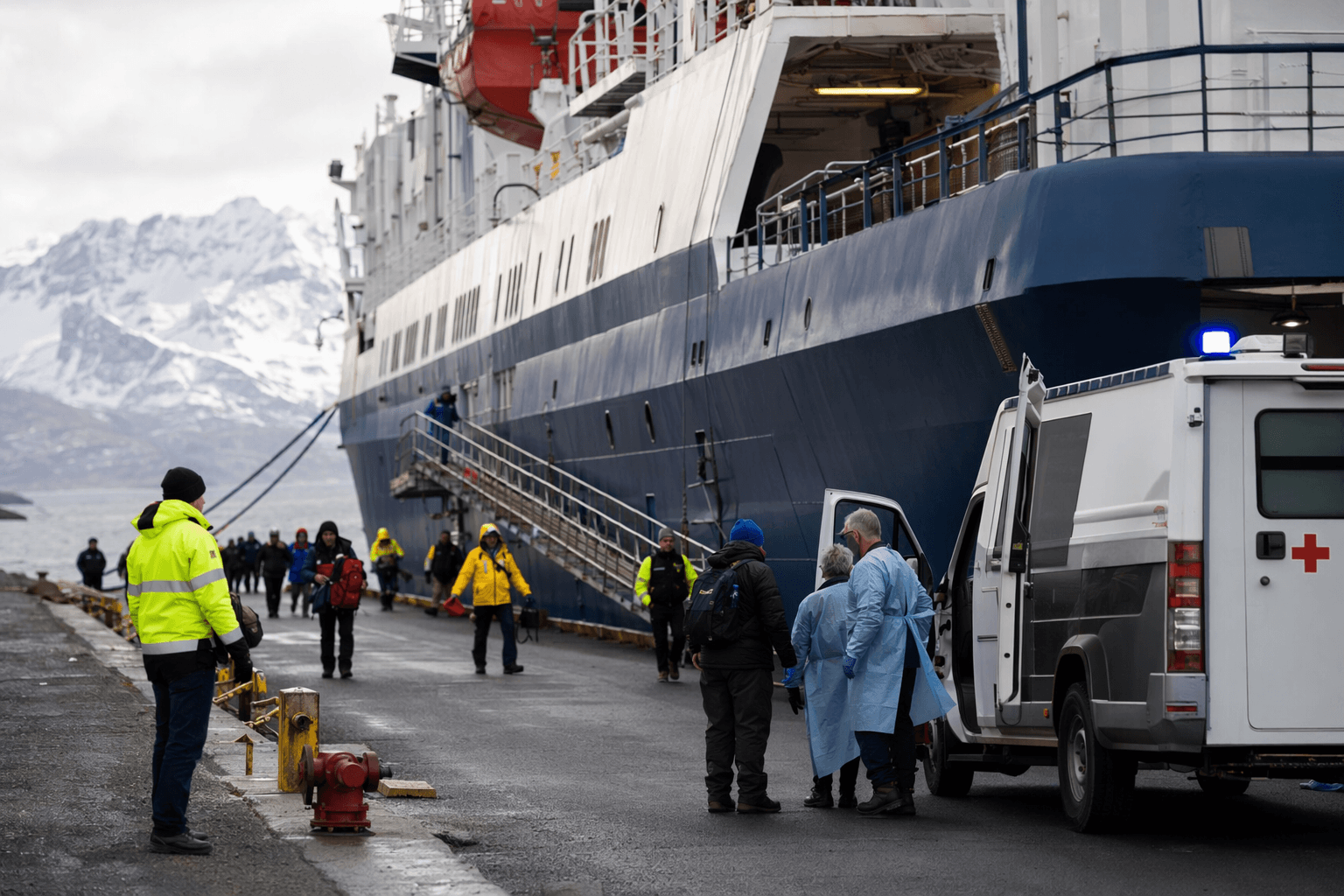
The ship carried 147 passengers and crew when it left Ushuaia, Argentina, on April 1, 2026, for a South Atlantic route that included Antarctica, South Georgia, Nightingale Island, Tristan da Cunha, Saint Helena and Ascension Island. The World Health Organization said illness began between April 6 and April 28, with fever, gastrointestinal symptoms, rapid progression to pneumonia, acute respiratory distress syndrome and shock. As of May 4, the agency counted seven cases, including two laboratory-confirmed infections, five suspected cases, three deaths, one critically ill patient and three people with mild symptoms.
By May 8, the European Centre for Disease Prevention and Control said the total had risen to eight cases, including five confirmed, two probable and one suspected, with three deaths. The ship was expected to reach Tenerife on May 10. WHO assessed the global risk as low, even as the cluster continued to move through international health systems and port authorities.
The U.S. Centers for Disease Control and Prevention said on May 8 that no Andes virus cases had been reported in the United States as a result of the outbreak and that the risk to the American public remained extremely low. The agency said the federal government was arranging medical repatriation for American passengers to Offutt Air Force Base in Omaha, Nebraska, followed by transfer to the National Quarantine Center at the University of Nebraska, Omaha. CDC also sent epidemiologists and medical professionals to the Canary Islands to assess exposure risk.
The episode has drawn wider attention because it comes amid a sharp rise in hantavirus activity in Argentina. The country’s Health Ministry reported 101 hantavirus infections since June 2025, roughly double the same period a year earlier. ABC News, citing the Associated Press, said mortality in the past year had climbed to nearly one-third of cases, compared with about 15% on average over the previous five years.
For U.S. health officials, the cruise ship case is a reminder of how frightening a headline can be without signaling broad community spread. CDC says U.S. hantavirus surveillance began in 1993 after the Four Corners outbreak, and 890 hantavirus disease cases had been reported in the country by the end of 2023. In this outbreak, investigators are focused on a narrow pattern of exposure, not a virus moving easily through the general public.
Know something we missed? Have a correction or additional information?
Submit a Tip