Hantavirus outbreak on cruise ship leaves three dead, sparks UK isolation plan
Three deaths and seven hantavirus cases on the MV Hondius triggered a UK isolation plan as the ship neared the Canary Islands. British returnees will face 45 days apart.
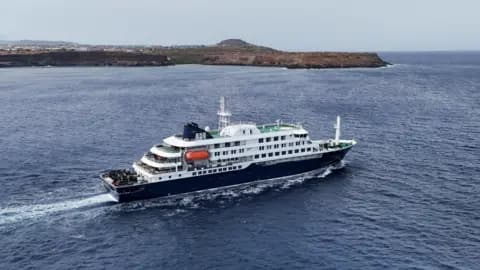
The MV Hondius was moving toward the Canary Islands with a multinational health operation already in motion after hantavirus spread through the cruise, leaving three dead and forcing Britain to plan for isolation, testing and controlled repatriation.
The World Health Organization said the outbreak was first reported on 2 May and had reached seven cases by 4 May, including two laboratory-confirmed infections and five suspected cases. Illness began between 6 and 28 April and progressed rapidly in several patients from fever and gastrointestinal symptoms to pneumonia, acute respiratory distress syndrome and shock. The agency said the global risk remained low, but noted that limited human-to-human transmission had been reported previously for Andes virus, a hantavirus species.
The Dutch-flagged vessel carried 147 people, 88 passengers and 59 crew, on a voyage that began in Ushuaia, Argentina, on 1 April. Its itinerary included mainland Antarctica, South Georgia, Nightingale Island, Tristan da Cunha, Saint Helena and Ascension Island. With cases emerging across that route, the response has become a test of how cruise-ship outbreaks are managed when passengers and crew are spread across several jurisdictions before anyone reaches a hospital bed.
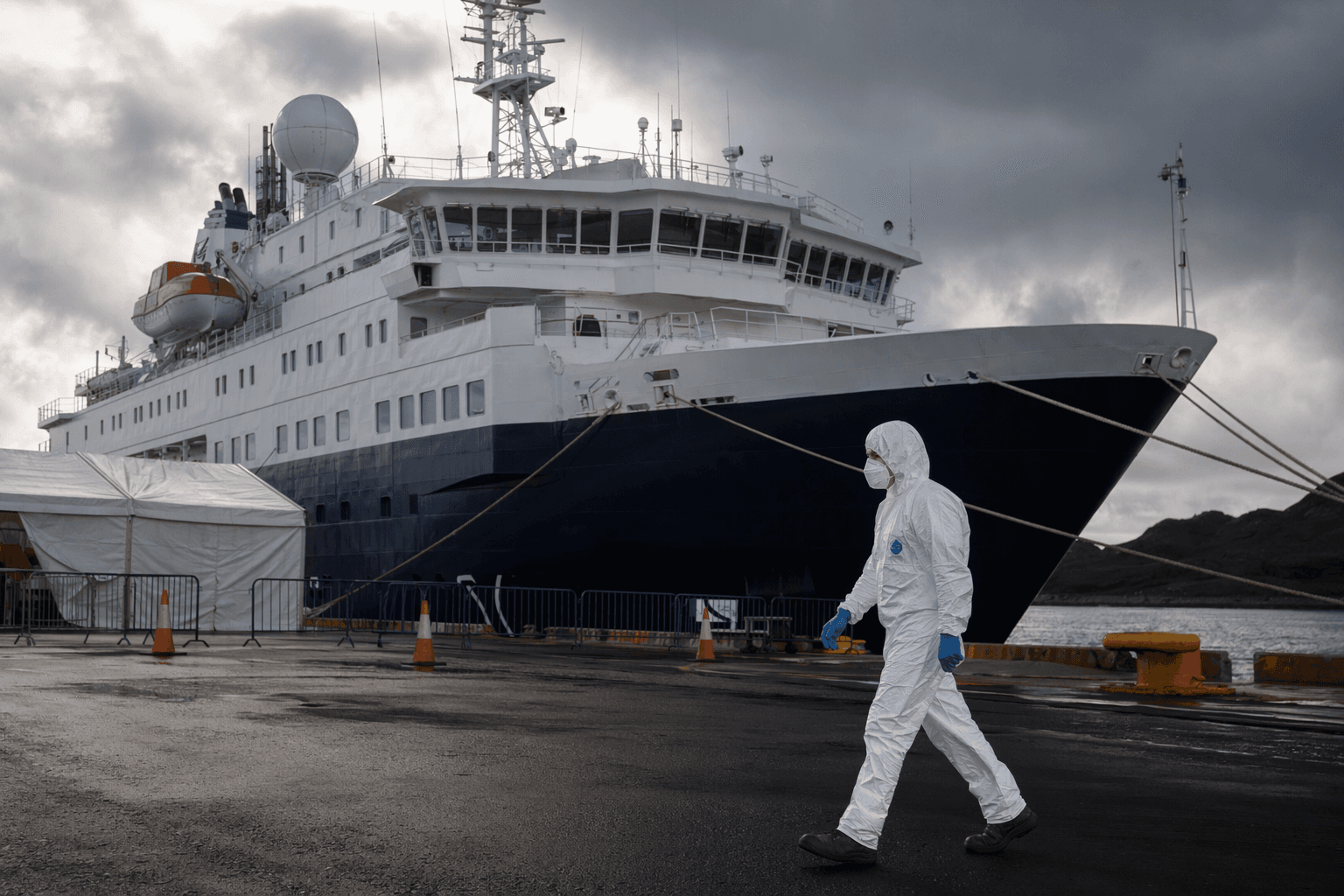
British authorities moved quickly once the case count became clear. The UK Health Security Agency said two British nationals had confirmed hantavirus and a third British national on Tristan da Cunha was a suspected case. All British passengers and crew on board were to isolate for 45 days after returning to the UK, a unusually long precaution that reflects the seriousness of the infection and the difficulty of tracking exposure on a vessel that crossed multiple oceans and territories.
The Foreign, Commonwealth and Development Office said it was chartering a dedicated repatriation flight for British passengers and crew only, with infectious-disease specialists from the UK Health Security Agency and the National Health Service on board. British returnees were due to be taken to a hospital in northwest England for an initial isolation period. Public Health Scotland said it was working with agencies in Wales and Northern Ireland to support contact tracing, underscoring how the response has stretched beyond England and into the broader UK public health system.

The tracking has already reached past disembarkation points. Seven British nationals left the ship at St Helena on 24 April; two have returned to the UK and are isolating at home, four remain on St Helena, and one has been traced outside the UK. The episode has exposed the logistical burden of a shipborne outbreak: isolating passengers, moving them safely across borders, and coordinating public health rules across several countries before the vessel even docks.
This article was produced by Prism’s automated news system from verified source data, official records, and press releases, then run through automated quality and moderation checks before publishing. The system is built and supervised by the people who set the standards it runs under. Read our full AI policy.
Did this article answer your question?