Hantavirus outbreak on cruise ship raises questions, but pandemic risk remains low
Three deaths on the MV Hondius have put hantavirus under scrutiny, but WHO and CDC say the risk of wider spread to the United States remains extremely low.
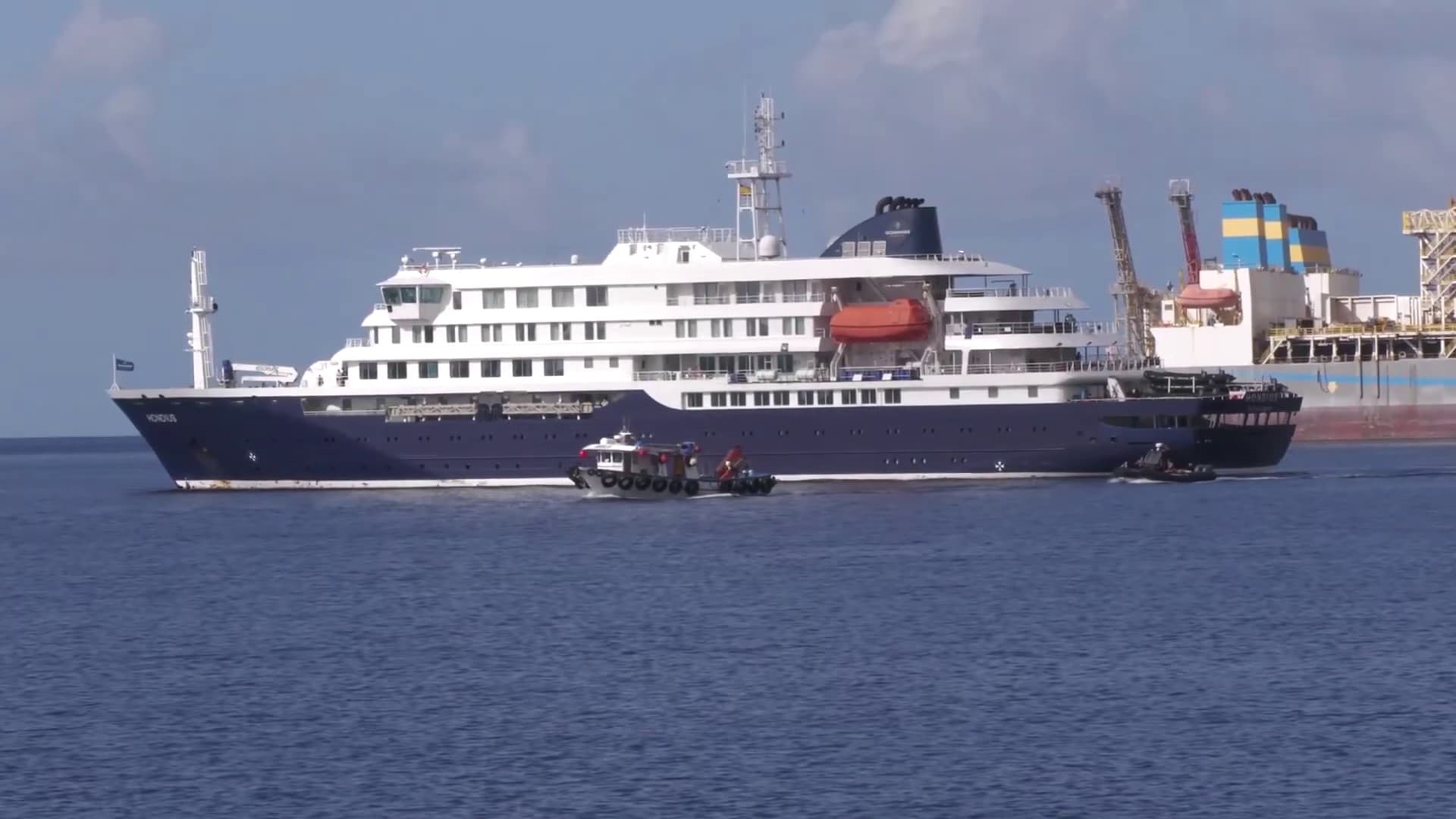
A hantavirus cluster on the Dutch-flagged cruise ship MV Hondius has produced three deaths and eight reported cases, but global health officials say it does not look like the start of a pandemic. The World Health Organization and the Centers for Disease Control and Prevention say the public-health risk remains low to extremely low, and CDC says broad spread to the United States is considered extremely unlikely.
The ship carried 147 people, including 88 passengers and 59 crew, on a route that began in Ushuaia, Argentina, on April 1 and included Antarctica, South Georgia, Nightingale Island, Tristan da Cunha, Saint Helena and Ascension Island. WHO first reported the cluster on May 2 after passengers developed severe respiratory illness during the voyage. By May 4, the agency said there were seven cases, two laboratory-confirmed hantavirus infections and five suspected cases, with three deaths. By May 8, CDC said WHO had reported eight cases, including six confirmed and two suspected, still with three deaths.
The virus involved is Andes virus, a hantavirus that WHO and CDC say is unusual because it can spread between people, but only in limited circumstances. Transmission has been linked to close, prolonged contact, including household or intimate exposure and contact with body fluids, not casual spread. Most hantavirus infections, WHO says, come from contact with infected rodents or their urine, saliva or droppings. That is why officials are watching this cluster closely, while also stressing that it does not resemble a COVID-like threat.
The most troubling gap is how the exposure happened aboard the ship. WHO said illness onset among the passengers and crew occurred between April 6 and April 28, and that the extent of contact with wildlife before or during the expedition remained unknown. WHO said the first known patient developed symptoms on April 6 and died aboard the vessel on April 11; his wife later became ill, died after evacuation to South Africa and was laboratory-confirmed with hantavirus infection. Another passenger died on May 2, and one man remained in intensive care in South Africa but was improving. As of May 4, WHO said the remaining passengers and crew were symptom-free.
Public-health agencies have moved quickly to limit uncertainty for Americans who were on board. CDC said it sent a team to meet the ship in the Canary Islands on May 7 to assess exposure risk among U.S. passengers, and it has been working with international, federal, state and local partners to repatriate American travelers to a Nebraska facility with specialized medical capabilities. California health officials said on May 8 that at least one California resident had returned home and was being monitored locally with daily temperature checks and symptom monitoring, while another California resident remained on board.
The episode fits a long U.S. history of monitoring hantavirus after the 1993 Four Corners outbreak, when a newly recognized hantavirus was identified as the cause of severe respiratory illness. Hantavirus pulmonary syndrome became nationally notifiable in 1995. That history explains the caution now: the illness can be severe and deadly, but the current cruise-ship cluster still points to a rare, contained event, not a pandemic trajectory.
Know something we missed? Have a correction or additional information?
Submit a Tip