Harris Passes on California Governor Run, Opening Crowded 2026 Race
Kamala Harris passed on a California governor run, leaving Democrats with a crowded, leaderless 2026 field and no obvious heir in the state she carried by 3.2 million votes.
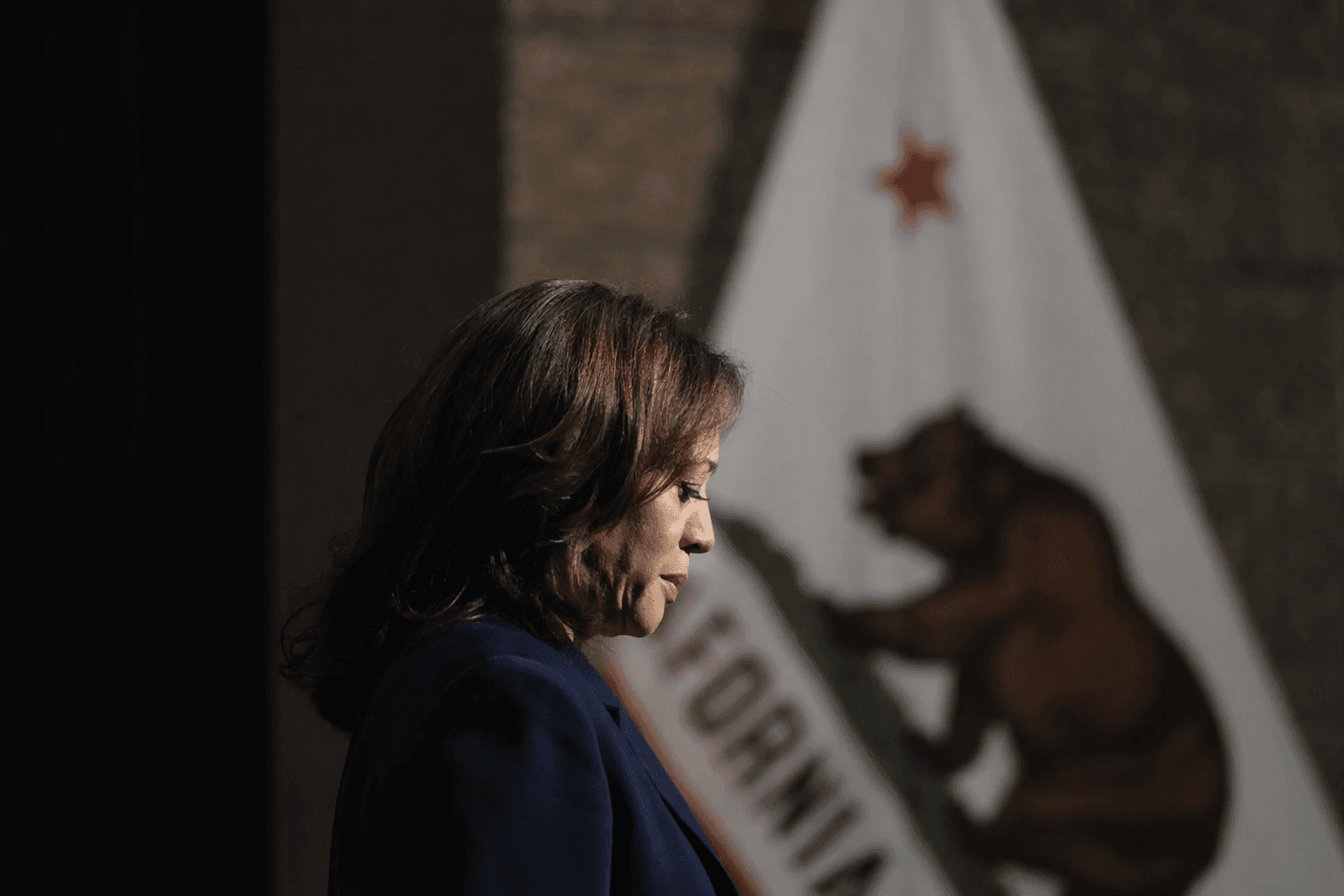
Harris’s decision not to run for California governor closed off the clearest off-ramp to a statewide power base for a Democrat still weighing another White House bid. It also exposed a larger problem for the party in its biggest state: California Democrats have votes, money and organization, but no settled successor to Gavin Newsom.
Newsom is term-limited and cannot seek reelection in 2026, leaving the governor’s office open for the first time since 2018. The primary is set for June 2, 2026, and the general election for Nov. 3, 2026. Harris announced on July 30, 2025, that she would not enter the race, and the decision ended months of waiting among would-be contenders while also unlocking donor money that had been frozen on the sidelines.
The numbers underscore the scale of the Democratic opportunity and the party’s bench problem at once. California’s Feb. 10, 2025, registration report showed Democrats at 45.27% of registered voters and Republicans at 25.22%. Republicans have not won a statewide election in California since Arnold Schwarzenegger’s 2006 reelection. Harris herself won the state easily in the 2024 presidential race, with 9,276,179 votes to Donald Trump’s 6,081,697.
That does not mean the governorship was a simple prize. Under California’s top-two system, a crowded field can split a dominant party’s vote and open the door for Republicans to advance. As of March 2026, eight Democrats and two Republicans had filed for governor, and no candidate had emerged as a clear front-runner. The Democratic field includes Xavier Becerra, Katie Porter, Antonio Villaraigosa, Betty Yee and Toni Atkins, with Eleni Kounalakis also out of the race.
For Harris, a California governor bid would have offered something a presidential campaign cannot easily provide: executive credentials, a policy proving ground and a direct power base in Sacramento. It would have given her a record built on governing, not just national campaigning, and a state-level platform from which to shape a second act. Instead, her choice leaves Democrats searching for a figure who can unify the party, command attention and turn California’s paper advantage into an actual statewide winning coalition.
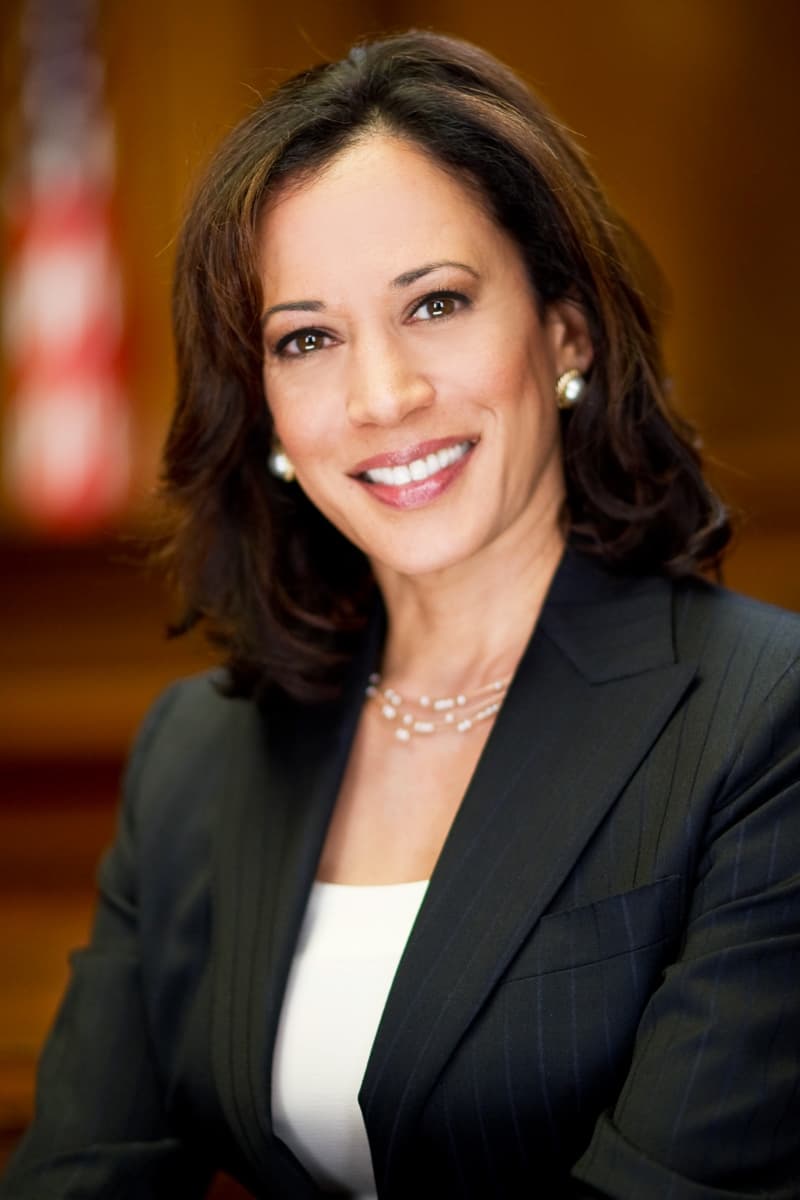
With Harris out, the race remains wide open, and the party’s biggest state still lacks a candidate with her statewide reach and instant donor appeal. That leaves the 2026 contest less like a coronation than a test of whether California Democrats can produce a bench strong enough to govern the nation’s most populous state.
This article was produced by Prism’s automated news system from verified source data, official records, and press releases, then run through automated quality and moderation checks before publishing. The system is built and supervised by the people who set the standards it runs under. Read our full AI policy.
Did this article answer your question?

