Ohio governor race revives COVID backlash against Amy Acton, Ramaswamy
Ohio’s governor race is turning into a referendum on who voters trust to remember the pandemic: Amy Acton or the backlash she helped trigger.
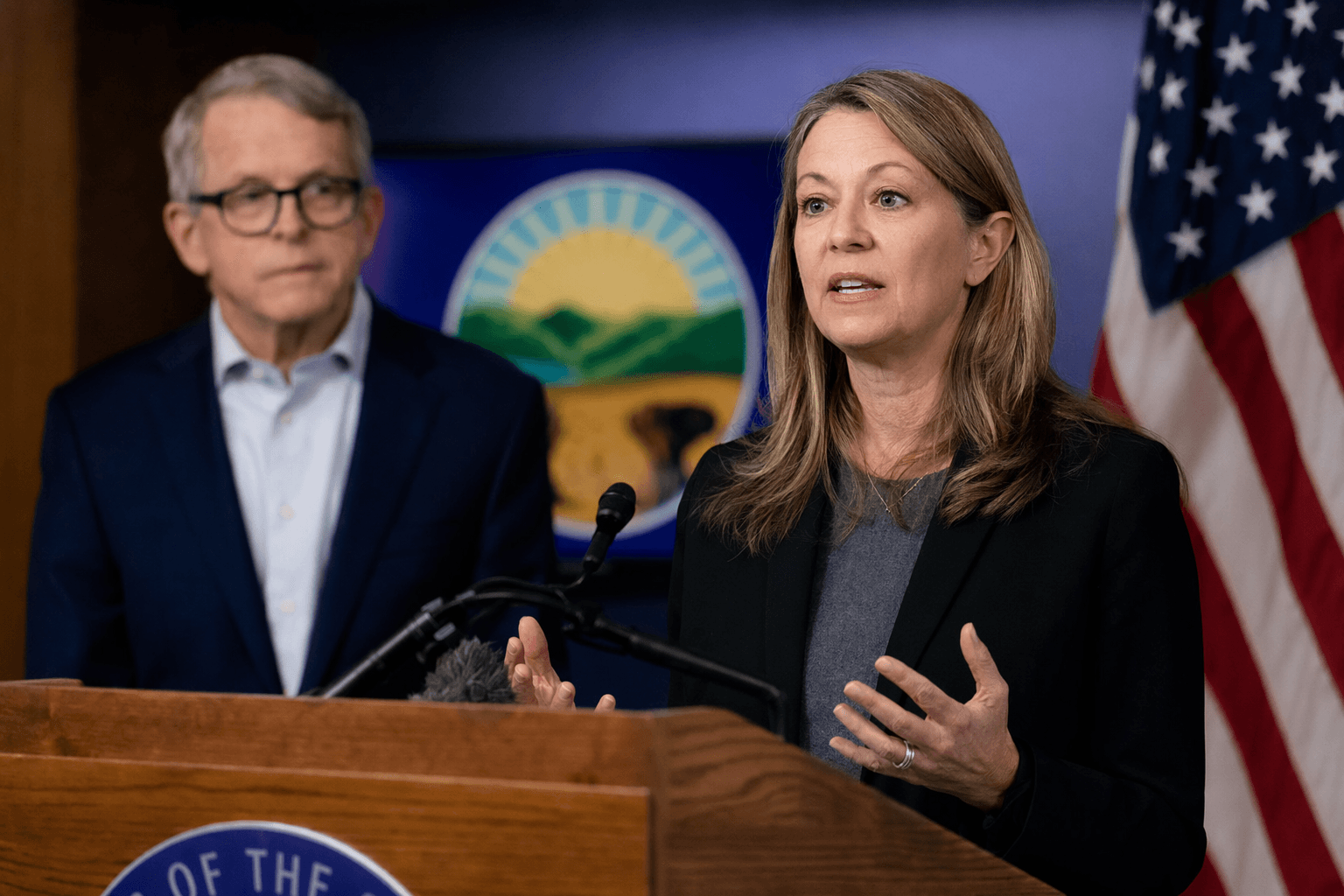
Amy Acton is trying to turn Ohio’s most painful pandemic memory into a case for public service, while Vivek Ramaswamy is betting voters still want to punish the officials who made those decisions. The former state health director is unopposed in the Democratic primary and headed toward a Nov. 3, 2026 general election that will test whether Ohio remembers her as a crisis manager or as the face of lockdown-era authority.
The contest is being fought through the political memory of COVID, not just old grievances. On March 13, 2020, Gov. Mike DeWine and Acton announced Ohio had 13 confirmed cases of the coronavirus. The next day, the Ohio Department of Health ordered all K-12 schools closed statewide. On March 23, a stay-at-home order took effect and was set to run through April 6, and schools were later kept closed for the rest of the 2019-2020 academic year. Those moves, along with limits on sporting events, business shutdowns and the suspension of voting in the 2020 primary, made Acton a defining figure in Ohio’s early pandemic response.
That same response still divides the state. DeWine praised Acton for the early steps, including closing schools, stopping large gatherings and postponing the presidential primary, saying the measures likely prevented a worse outbreak. Acton became a daily presence for Ohioans watching briefings during the height of the crisis, often appearing in a white medical coat. For supporters, she embodied urgency and expertise. For critics, she became the public face of restrictions they still resent.
Ramaswamy has built his campaign around that resentment. He has attacked Acton’s COVID-era decisions as “dangerous COVID ideology” and cast the race as one of the sharpest contrasts in Ohio gubernatorial history. He enters the general election with national name recognition, backing from President Donald Trump and a $25 million loan to his campaign, a financial edge that gives him room to define Acton before she can define herself.
Acton’s campaign is trying to answer with money and a different version of the pandemic record. It said she had raised more than $9.3 million to date, including $4.8 million in the first quarter of 2026, which it described as the most ever raised at that point in the calendar by a Democratic candidate for governor in Ohio history. The campaign argues that Acton and DeWine put public health above politics and saved lives.
The race remains volatile. An Emerson College poll in early 2026 showed Acton at 46 percent and Ramaswamy at 45 percent, with 9 percent undecided. In a state that has trended increasingly Republican, those numbers suggest the final verdict may hinge on which pandemic story voters believe: caution that saved lives, or overreach that never faded.
This article was produced by Prism’s automated news system from verified source data, official records, and press releases, then run through automated quality and moderation checks before publishing. The system is built and supervised by the people who set the standards it runs under. Read our full AI policy.
Did this article answer your question?

