Harris rises after Biden exits, Democrats cling to Trump-era stasis
Biden’s July 21 exit thrust Harris atop the ticket without a primary win, and the party’s 2024 reset never fully broke with the Trump era.
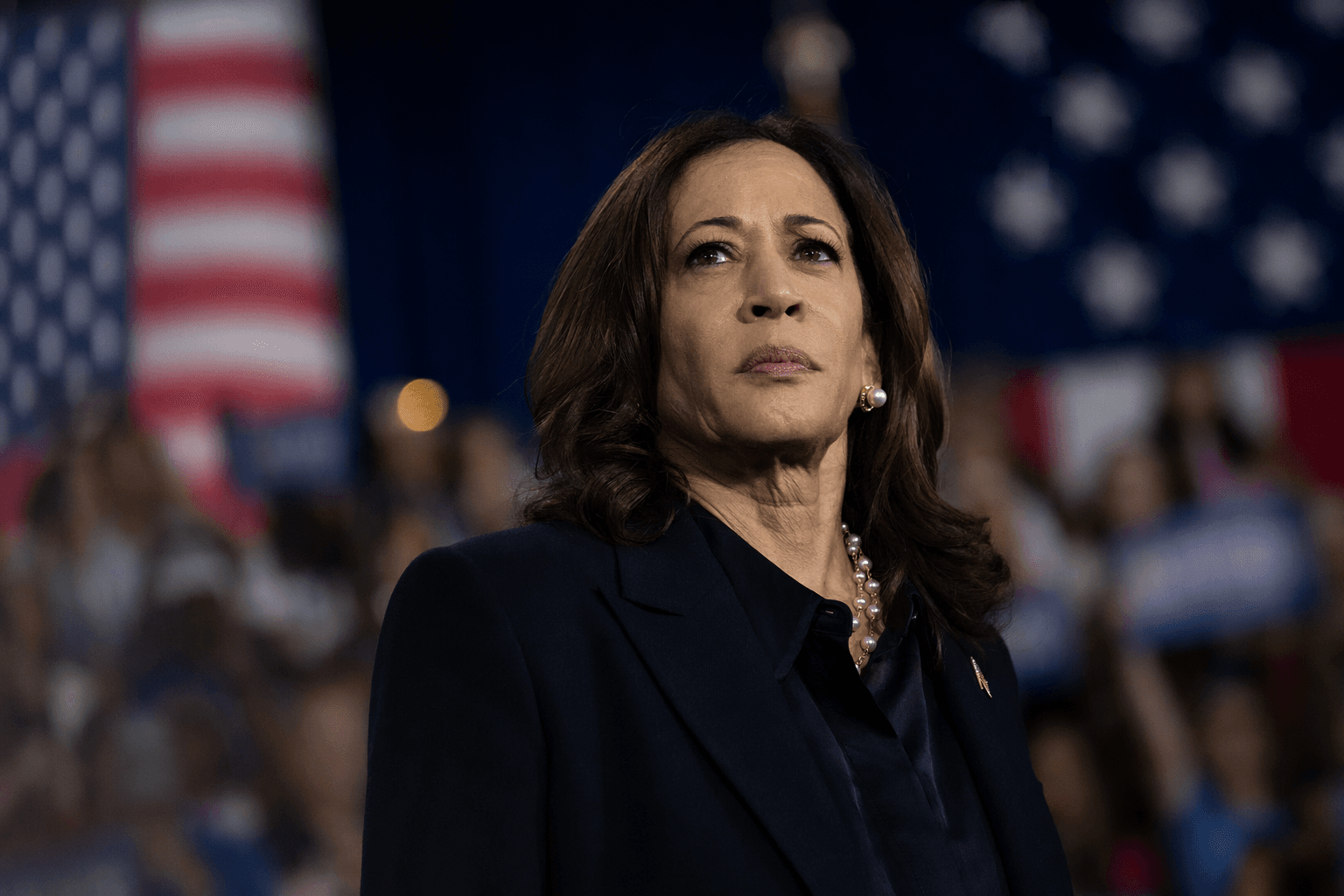
Joe Biden’s exit on July 21, 2024, did not produce a clean Democratic reset so much as a hurried transfer of power. Biden dropped out of the presidential race and endorsed Kamala Harris, who then secured delegate backing through a virtual roll call and became the party’s nominee without winning a single primary.
That abrupt handoff mattered because the 2024 race carried historic stakes for both parties. Harris was positioned to become the first woman elected president, while Donald Trump was seeking a return to the White House as a former president, a feat only one other president has ever achieved. The contest was less a normal general election than a test of whether the post-Biden Democratic coalition could survive by continuity alone.
At the Democratic National Convention in August 2024, Harris formally accepted the nomination in a moment that revealed both the party’s relief and its reliance on familiar symbols. AP reported that convention-goers greeted her with thunderous applause, a long standing ovation and chants of her name. The scene projected unity, but it also underscored how quickly Democrats had moved from Biden’s withdrawal to treating Harris as the only viable vessel for the ticket.
The deeper question has been whether Democrats were suffering from a messaging problem, a leadership-bench problem, an ideological problem or plain voter fatigue. The evidence from 2024 points to all four pressures at once, but especially to fatigue with a party that still looked tethered to the Biden-Harris era rather than clearly beyond it. Harris’s rise was decisive, yet it came by acclamation, not by a competitive primary that might have clarified where Democrats wanted to go next.
AP VoteCast, which interviewed more than 120,000 voters across the United States from October 28 to November 5, 2024, suggested the electorate was sorting itself along cultural lines that cut across the old partisan scripts. Trump won slightly more than half of voters who own either cats or dogs, and dog owners leaned more strongly toward him. Harris drew strong support from many women, but the broader result showed a political environment shaped by polarization, identity sorting and exhaustion with the choices on offer.
That is the central Democratic problem after the 2024 rupture. Harris gave the party a fresh face, but not a clean break, and the result was a campaign that inherited the weight of the Trump years even as it tried to move past them.
This article was produced by Prism’s automated news system from verified source data, official records, and press releases, then run through automated quality and moderation checks before publishing. The system is built and supervised by the people who set the standards it runs under. Read our full AI policy.
Did this article answer your question?

