Hochul backs New York City tax on luxury second homes, could raise $500 million
Hochul’s luxury second-home tax is pitched to raise $500 million a year, but earlier estimates ranged from under $380 million to $650 million.
Gov. Kathy Hochul’s backing of a tax on New York City second homes worth $5 million or more has been sold as a way to make the ultrawealthy pay more and close a widening budget gap. The harder test is whether the numbers can deliver. Hochul and Mayor Zohran Mamdani said the proposal could bring in at least $500 million a year in recurring revenue, but the policy would apply only to homes that are not the owner’s primary residence and are not rented out full-time, a narrow slice of the luxury market.
That design puts the credibility gap at the center of the debate. If the city is trying to use a pied-à-terre tax as a serious fiscal tool, the first question is how many owners would actually be captured by it. The second is how easily wealthier property holders could arrange their affairs to stay outside the definition, whether by shifting use, changing occupancy patterns or otherwise avoiding a levy aimed at a small class of high-end properties. Supporters say the tax would make wealthy non-resident owners contribute more to city services and transit. Critics see a measure with real symbolism but uncertain reach.
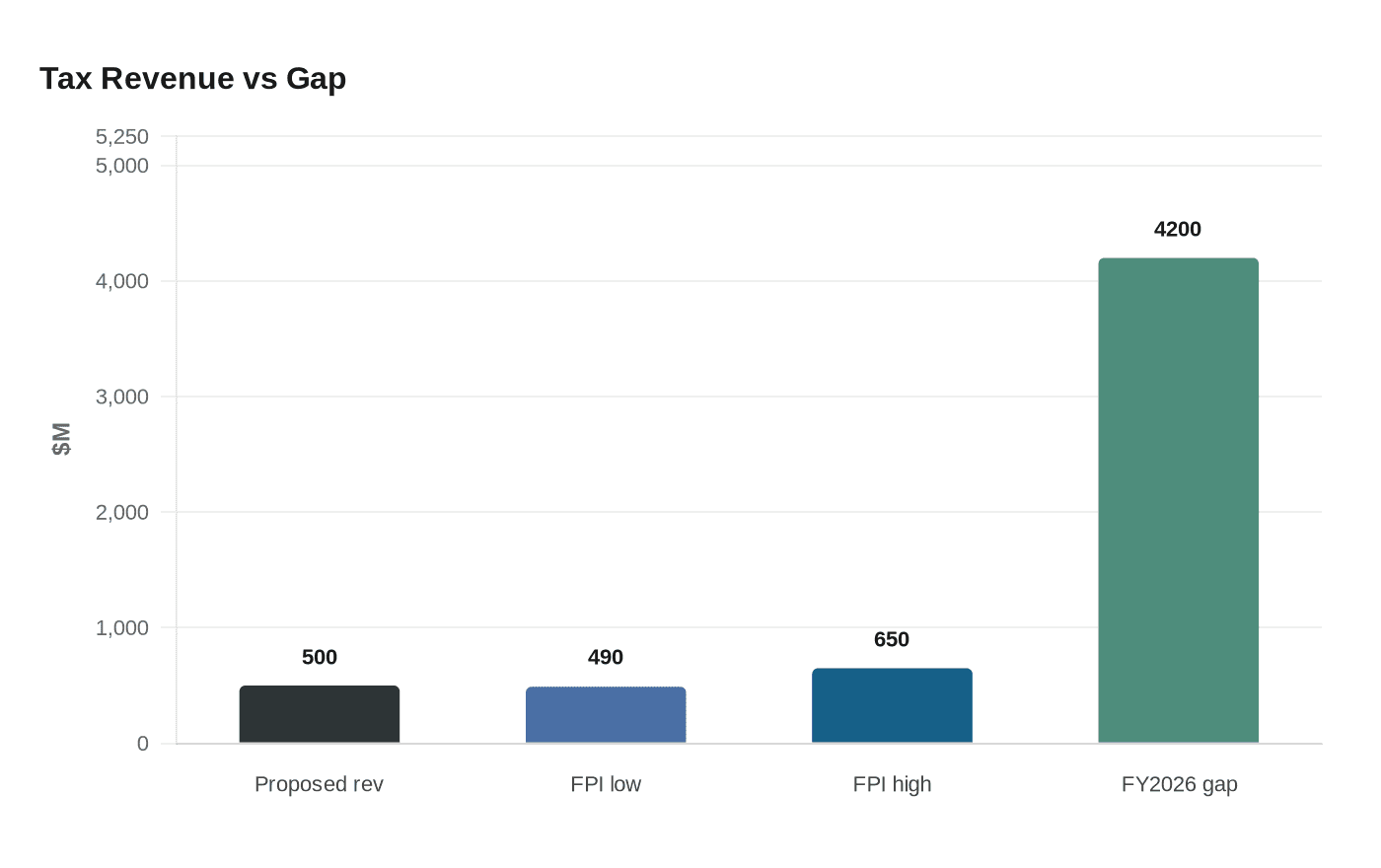
The revenue estimates themselves show how unsettled the math remains. In 2019, the Fiscal Policy Institute said a structured pied-à-terre tax could generate between $490 million and $650 million annually. An earlier estimate from the New York City Independent Budget Office put the figure well below $380 million. That spread is large enough to matter in a city where the comptroller has projected a FY2026 budget gap of $4.2 billion and budget officials have warned of multibillion-dollar deficits in later years.
Hochul announced the proposal on April 15, 2026, and said it would be New York state’s first pied-à-terre tax. The idea has been circulating in Albany for more than a decade, including a 2014 push from the Fiscal Policy Institute and legislation championed by then-state Sen. Brad Hoylman, but earlier versions repeatedly died under pressure from the real estate industry.
That opposition is likely to return quickly. The Real Estate Board of New York, the city’s leading real estate trade association, has long been among the loudest critics of taxing luxury second homes. Supporters argue the policy is a partial step toward a fairer tax code. Skeptics argue it is too narrow, too easy to evade and too dependent on a sliver of owners to be fiscally transformative. In a city facing a multibillion-dollar shortfall, the question is whether the tax would change the budget picture or mainly signal that Albany is willing to tax wealth at the margins.
This article was produced by Prism’s automated news system from verified source data, official records, and press releases, then run through automated quality and moderation checks before publishing. The system is built and supervised by the people who set the standards it runs under. Read our full AI policy.
Did this article answer your question?

