Starmer weighs powers to ban some pro-Palestinian marches in UK
Starmer is considering new powers to halt some pro-Palestinian marches, escalating a legal fight over protest rights after the Golders Green stabbing attack.
Keir Starmer is weighing whether the government should go beyond restricting protest routes and numbers, and give police or ministers new powers to ban some pro-Palestinian marches outright in limited circumstances. The debate has sharpened after two Jewish men were stabbed in Golders Green, an attack that has deepened concern inside Britain’s Jewish community and pushed public-order law into direct collision with civil-liberties precedent.
Starmer said he would always defend freedom of expression and peaceful protest, but argued that repeated marches had produced a cumulative effect that many Jewish community members now find deeply worrying. He also drew a hard line around chants such as “Globalise the Intifada,” saying they were completely off limits and should lead to prosecution. That framing matters because it signals a possible shift from policing the manner of protests to limiting whether certain marches can take place at all.
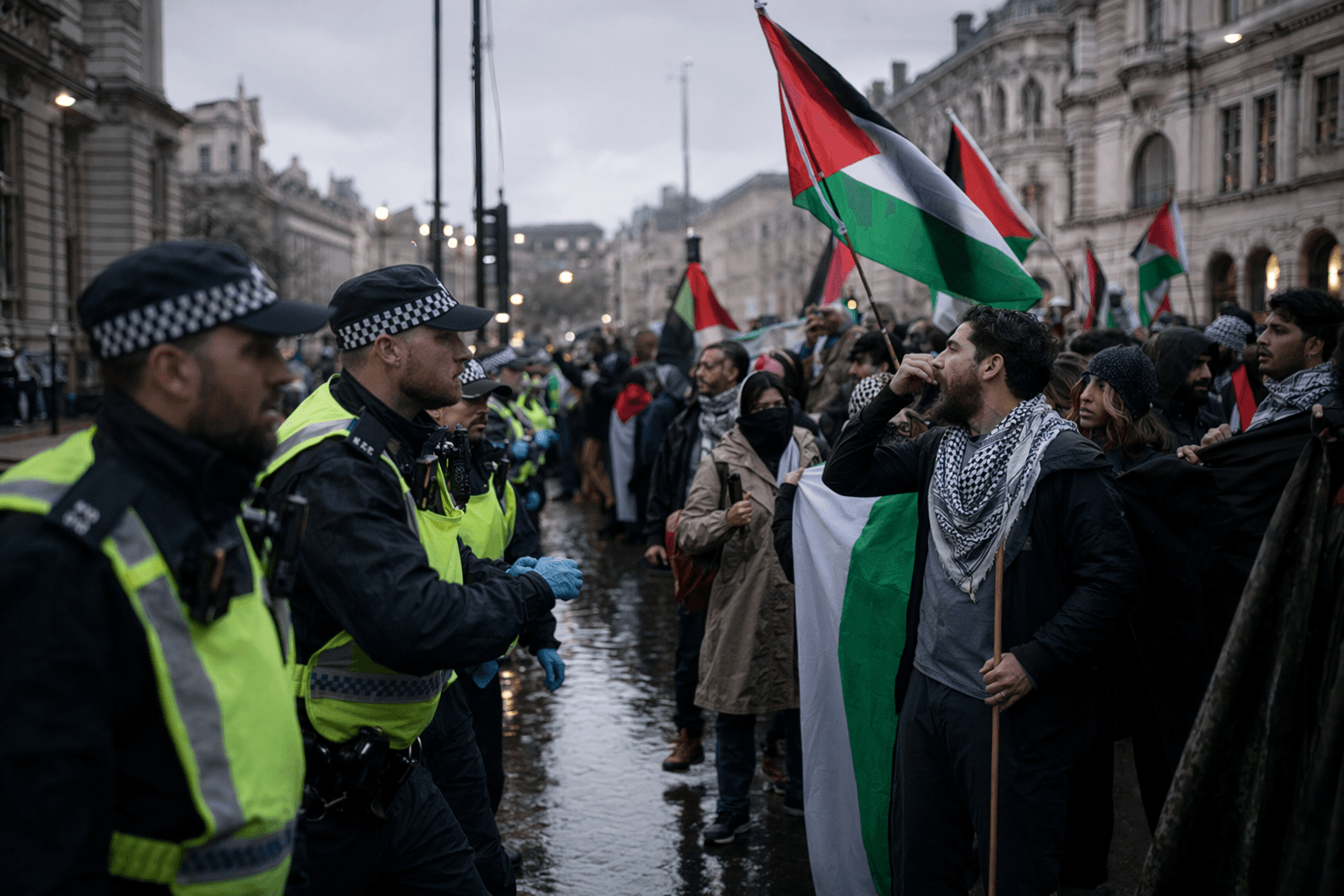
The legal baseline is already broad. Under the Public Order Act 1986, police can impose conditions on processions when they reasonably believe serious disorder, serious property damage or serious disruption to the life of the community may follow. Those powers were later strengthened by the Police, Crime, Sentencing and Courts Act 2022 and the Public Order Act 2023. Official U.K. data show that between 28 June 2022 and 31 March 2024, police imposed conditions on 434 processions under section 12 of the Public Order Act, with the Metropolitan Police accounting for 422 of those cases. Any move to create a new ban power would therefore mark a significant step beyond the existing model of route controls and conditions.
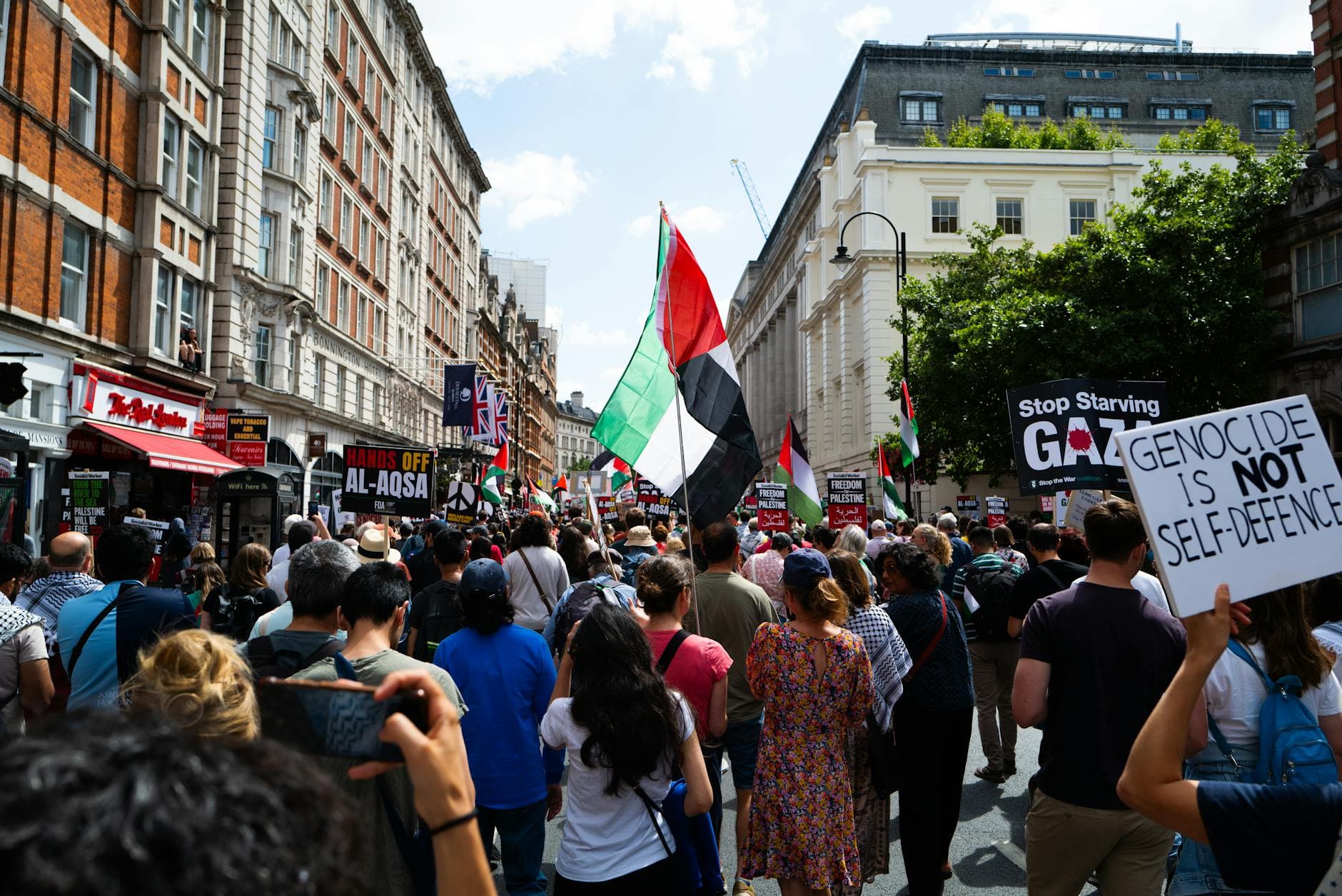
The pressure for action has been amplified by the wider security picture. Britain raised its national terrorism threat level from substantial to severe on 30 April 2026 after the Golders Green attack, with counter-terrorism officials saying a terrorist attack in the U.K. is now highly likely. The Metropolitan Police treated the stabbing as a terrorist incident, and the government announced £25 million in extra security funding for Jewish communities. That combination of heightened threat, visible policing strain and fear among Jewish institutions has given Starmer’s remarks immediate force.

But the political and legal stakes run well beyond this one series of marches. Supporters of the demonstrations say they are exercising democratic rights to condemn the Gaza war and press for human rights. Critics say the repeated protests have hardened into a source of hostility and antisemitic intimidation. If the government does seek new powers, the central question will be whether Britain is tightening public-order law to address a narrow security emergency or setting a precedent that could narrow protest rights far beyond the Middle East conflict.
This article was produced by Prism’s automated news system from verified source data, official records, and press releases, then run through automated quality and moderation checks before publishing. The system is built and supervised by the people who set the standards it runs under. Read our full AI policy.
Did this article answer your question?

