Local elections across England set to test public opinion nationally
England’s 172 council contests, six mayoral races and delayed county elections will show whether voters are punishing the government or withdrawing support altogether.

England’s local elections are shaping up as a national verdict in disguise. When polling stations open from 7am to 10pm on Thursday 7 May 2026, results from 172 local authorities, including 32 London boroughs, and six local authority mayoral races will be read far beyond town halls.
The stakes were raised further when the government confirmed in February that all local elections would go ahead in May 2026 and set aside £63 million in new funding to help councils in 21 reorganisation areas. Nine councils that had delayed their 2025 county elections, East Sussex, Essex, Hampshire, Norfolk, Suffolk, Surrey, West Sussex, the Isle of Wight and Thurrock, were moved into this year’s cycle under legislation that also gave them room to manage reorganisation and devolution plans.
That makes the ballot a sharper test of governing legitimacy than a routine local vote. A result that shows broad losses across the 172 English authorities, especially if it reaches beyond the nine delayed county areas, would point to something deeper than the usual midterm rebuke. It would suggest voters are not just venting frustration, but withdrawing confidence from the prime minister and the government’s direction.
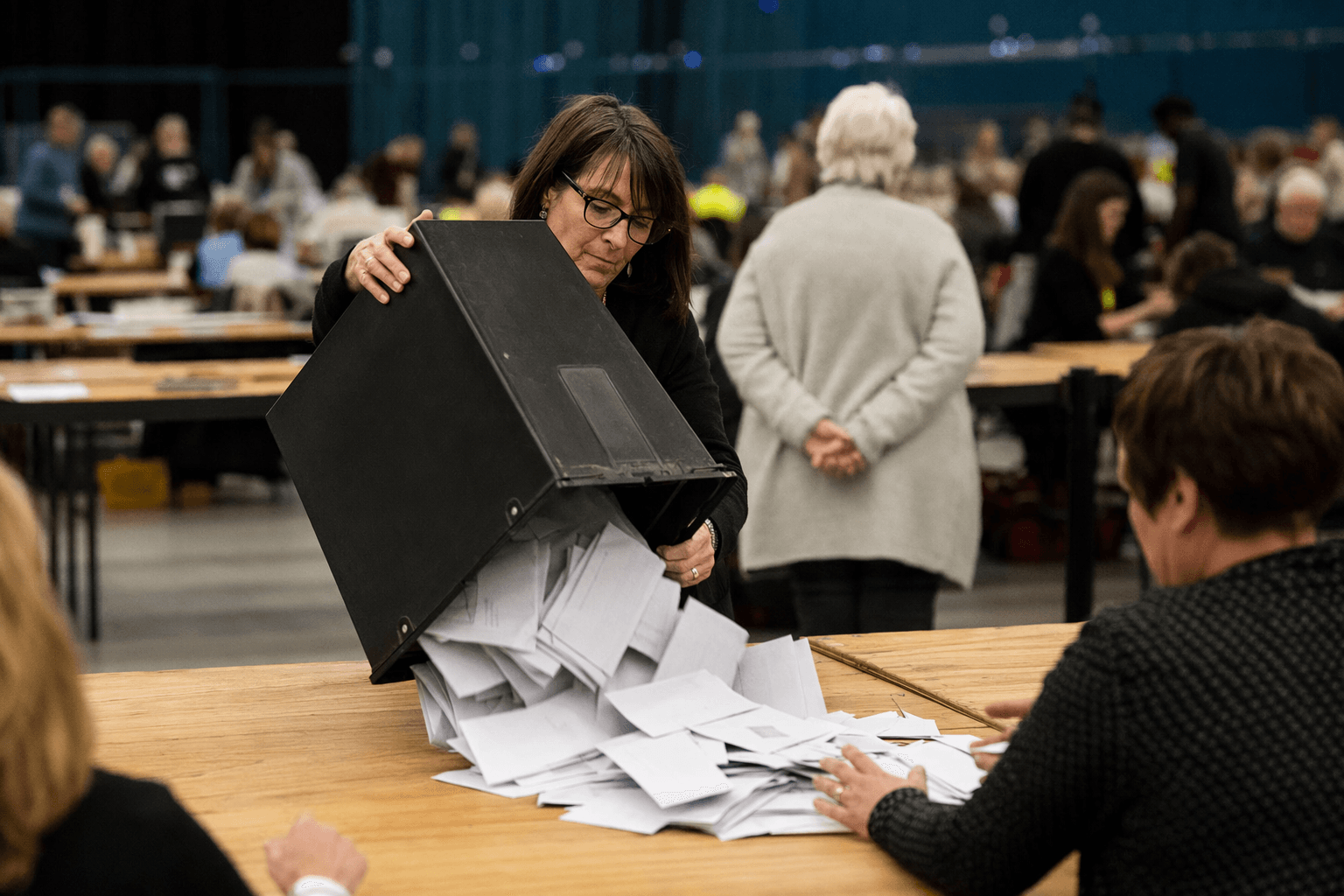
A more modest setback would tell a different story. Local elections often punish the party in power, and the Electoral Commission describes them as a major event in the UK’s election calendar, a recurring measure of the national mood. If the governing party absorbs losses but avoids a sweeping collapse, the result could be presented as normal local churn rather than an existential warning.
The contrast matters because the political consequences would stretch well past council chambers. Heavy losses would intensify pressure on party leadership, sharpen arguments over strategy and open questions about coalition arithmetic in local government as well as the next general election. Better-than-expected results, by contrast, would give ministers a claim that support remains intact even after months of economic and administrative strain.

For voters, the ballot paper will look local. For Westminster, it may decide whether the government is merely taking a hit or losing its grip.
Know something we missed? Have a correction or additional information?
Submit a Tip