Harrogate demo life revealed - Martin Saban-Smith travels light, connects
Martin Saban-Smith traveled light at the Harrogate show, sharing demo space and doing short demonstrations while meeting the community. His approach highlights practical trade-show logistics for turners.
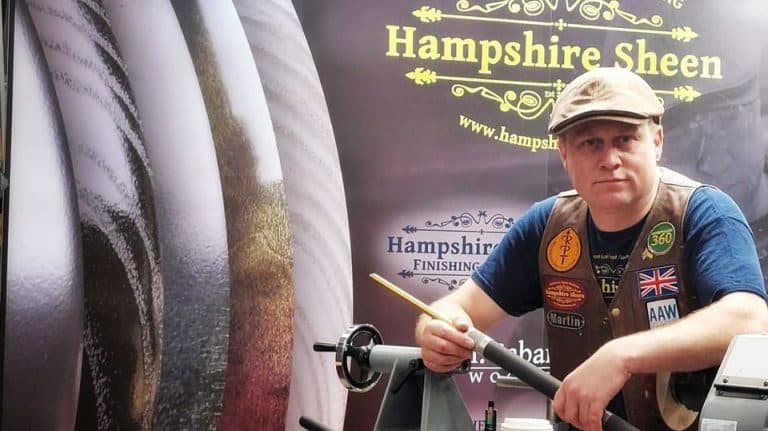
At the Harrogate show on January 9, 2026, Martin Saban-Smith took a different tack from a full trader setup: he traveled light, shared demo space on Emma Cook’s stand, and ran a couple of short demonstrations while spending more time walking the aisles and talking with fellow turners. That choice shifted the balance from selling and hauling kit to demonstrating craft, swapping ideas, and observing how the show runs from multiple angles.
Martin’s decision to piggyback on another demonstrator’s stand cut the logistics down to essentials. Sharing demo space meant fewer lathes to load, less kit to insure and set up, and the freedom to slot short demo bursts into a packed schedule rather than holding long, continuous sessions. For turners thinking about trade shows, that model shows how to get a presence without the overhead of a full trader’s footprint.
Beyond the practicalities, Martin’s reflections focus on the rhythms of teaching, demoing and filming. Demonstrations are not just a stream of technique between tool rests; they are punctuated by setup, teardown, questions, and the mental switching needed to teach on demand. Filming adds another layer—camera time, editing and the lost weeks that can come with balancing workshops, online content and travel. By trimming the physical load, Martin freed up time for face-to-face connection, informal crits and a close look at other makers’ work.
There’s also a community payoff. Shared demo spaces make it easier for newer demonstrators to get stage time and for established turners to mentor colleagues without competing for floor space. Attendees benefit when demonstrators concentrate on short, high-impact sessions that leave room for conversation afterward. For clubs and event organisers, encouraging shared stands or rotating demo slots could boost variety while lowering barriers for participants who lack van space or full trading kits.

If you’re planning to demo or trade at a show, consider what you really need to bring and what you can borrow or share. Short, focused demos can attract a crowd and lead to longer conversations off the lathe. Think about filming and teaching as separate tasks that require protected time, and factor those lost weeks into your schedule so you don’t burn out between events and workshops.
The takeaway? Less can be more: lighten the load, join forces with a fellow demonstrator, and use demo time to connect as much as to perform. Our two cents? Pack the gouge you trust, plan shorter demos, and save space in the van for conversation.
Sources:
Know something we missed? Have a correction or additional information?
Submit a Tip