Hawaii Legislature Considers Bills Restricting Keiki Smartphone, Social Media, AI Use
SB 2761 advanced out of two Senate committees and would bar anyone under 16 from social media accounts while related measures target AI disclosures and school phone use.
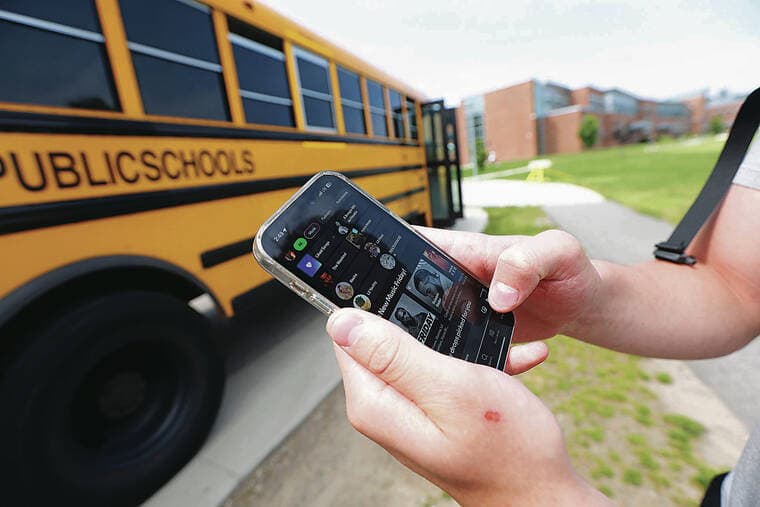
Multiple bills moving through the Hawai‘i Legislature would tighten rules on keiki smartphone use at school, restrict social media accounts for minors and impose new requirements on artificial‑intelligence providers; the package includes SB 2761, HB 1559, SB 2135 and HB 1782. Lawmakers, educators and the Governor’s office are already debating how exemptions, enforcement and federal action should fit together.
SB 2761 would prohibit social media platforms from allowing anyone under 16 to create or maintain an account. Sen. Jarrett Keohokalole (D, Kaneohe‑Kailua) introduced the bill and said the measure is aimed at the “potentially problematic and addictive nature of some of the elements on the platforms.” SB 2761 passed Thursday out of the Senate Committees on Commerce and Consumer Protection and Judiciary. Sen. Brenton Awa (R, Kaneohe‑Laie‑Mokuleia) cast the lone no vote in committee, arguing “That generation will look at it and just rebel and find something else,” and saying parental time and teaching must be part of the solution.
Civil Beat’s analysis emphasizes that SB 2761 explicitly exempts gaming platforms, videoconferencing services, cloud storage, and educational tools, a drafting choice that could leave some high‑risk spaces untouched. Civil Beat noted that platforms such as Roblox would remain unaffected by those exemptions, and warned the bill “risks restricting youth expression, isolating vulnerable populations, limiting access to cultural and educational resources, and driving children toward less safe online environments — all while leaving some of the most concerning spaces largely untouched.”
The legislative package also includes a proposal that would require AI providers to disclose that minors are interacting with AI, restrict data collection and impose penalties for failing to protect young users. The available descriptions do not specify which of the listed bills contains that AI‑provider language, leaving the allocation of disclosure and penalty provisions among SB 2761, HB 1559, SB 2135 and HB 1782 unclear.
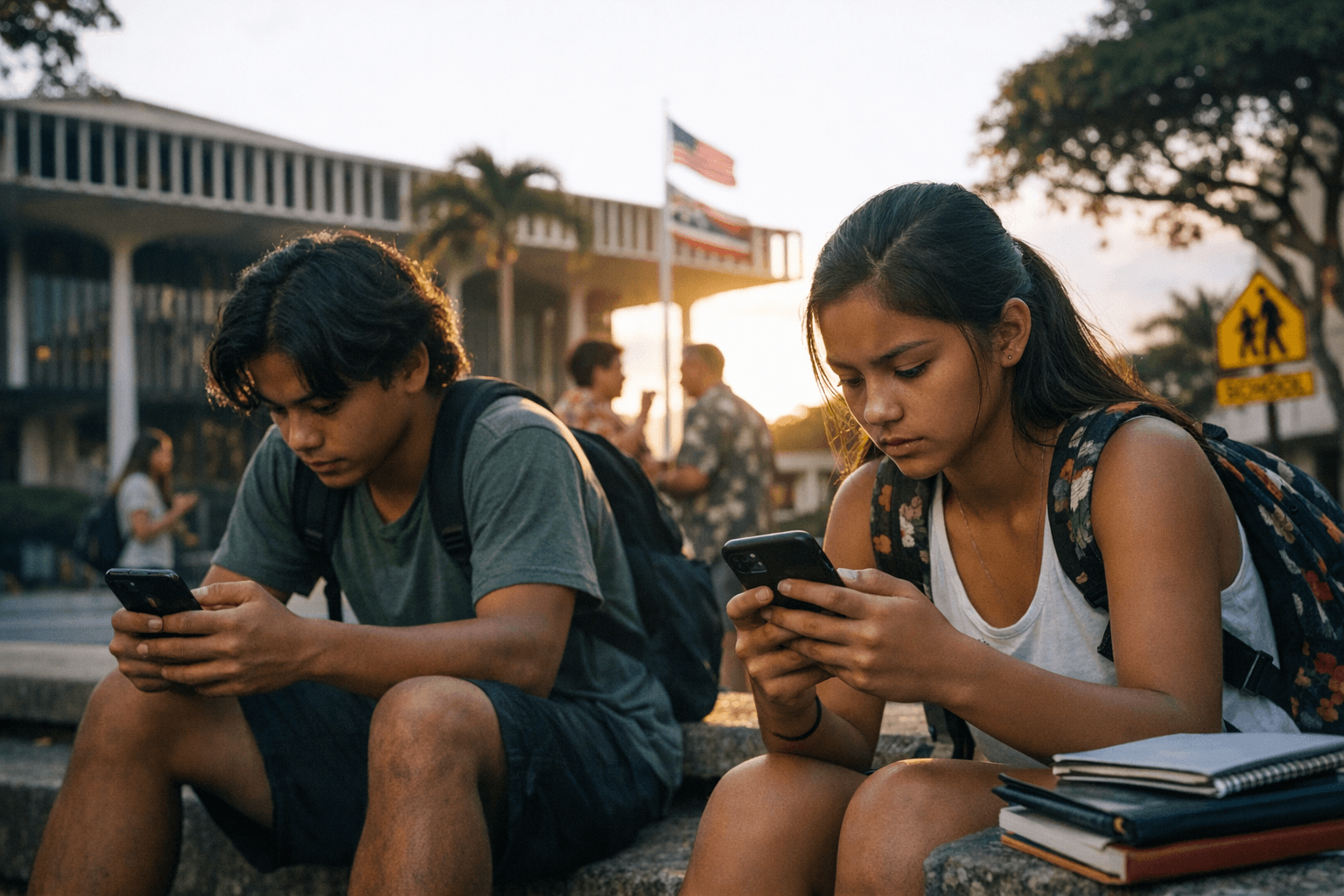
Local educators and schools are already responding to the impacts lawmakers cite. Sean Shiroma, a high school science teacher at Hawaii Baptist Academy, wrote that “Smartphones are so powerful and have not been used wisely by youth… It’s not their fault, parents and adults have not equipped them with how to do so.” Hawaii Baptist Academy recently implemented a schoolwide smartphone ban during instructional time, lunch and breaks.
At the same time, the Office of the Governor under Governor Josh Green, M.D., highlighted Attorney General Anne Lopez’s leadership of a coalition of 40 attorneys general urging Congress to pass a stronger Kids Online Safety Act. The coalition sent a letter to House and Senate leaders expressing concern that the current House version of KOSA could limit states’ authority to enforce online safety laws, and voicing support for the Senate version that would require social media companies to take reasonable steps to prevent harm while preserving states’ enforcement powers. Attorney General Lopez said, “Hawai‘i and other states have led the way in responding to evolving digital harms and holding online platforms accountable… We urge Congress to pass a strong Kids Online Safety Act that puts children’s safety first and allows states to continue protecting our keiki.” The Governor’s office also noted state attorneys general have investigated and filed lawsuits against major platforms, including Meta and TikTok.
With SB 2761 already cleared by two Senate committees and other bills under consideration, questions remain about definitions, exemptions and enforcement. Lawmakers must decide whether to narrow platform exemptions, specify which bill carries AI disclosure and penalty language, or pursue parental‑approval approaches that Civil Beat has suggested as an alternative to an outright under‑16 ban.
Know something we missed? Have a correction or additional information?
Submit a Tip