HCA raises 2026 profit outlook as Medicare and elective care drive margins
HCA Healthcare raised its 2026 profit forecast and approved a $10 billion buyback after beating quarterly EPS estimates, highlighting Medicare and elective care demand.

HCA Healthcare raised its fiscal 2026 profit outlook and authorized a $10 billion share repurchase program after releasing quarterly results that beat earnings expectations even as revenue narrowly missed forecasts. The move sent shares higher in premarket trading and underscored how payer mix and demand for elective services are shaping hospital sector profitability.
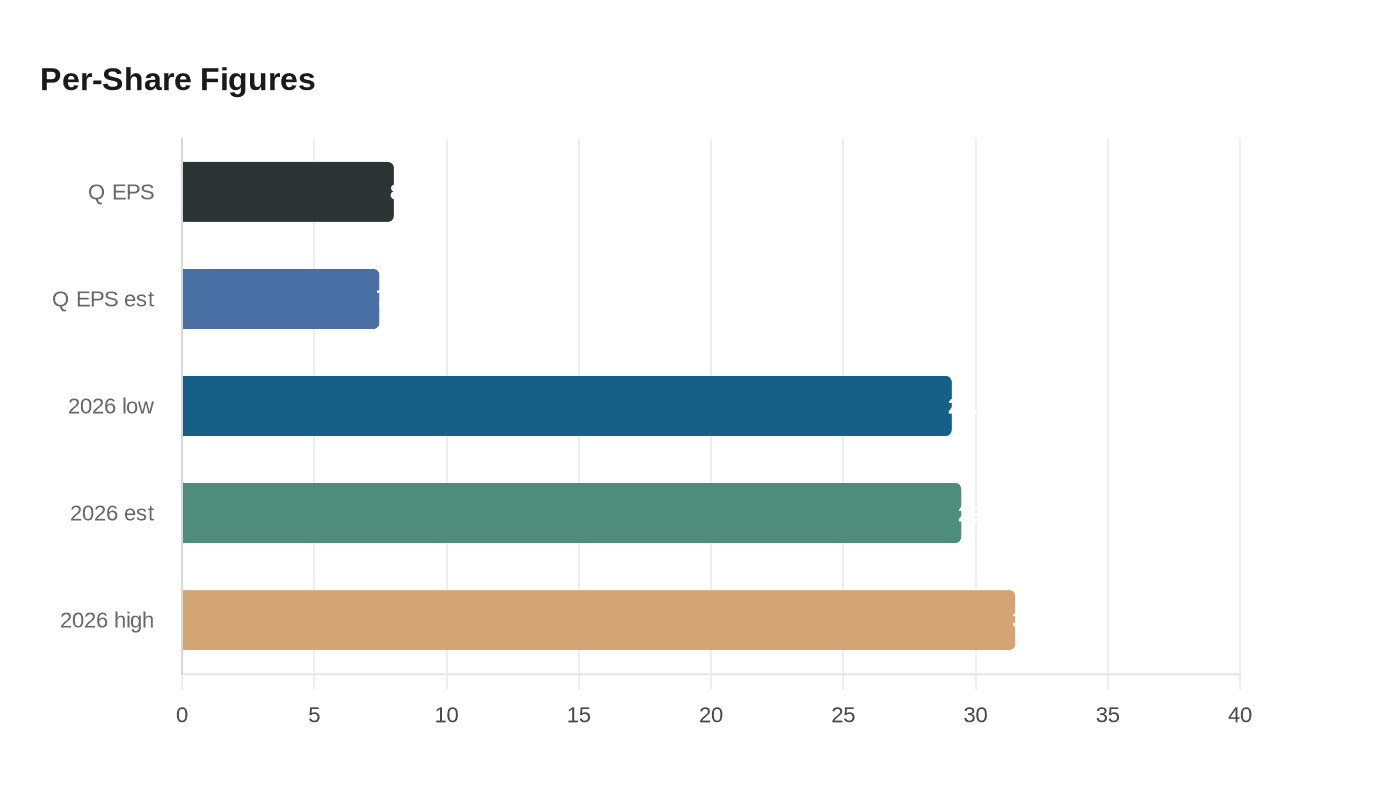
For the quarter ended Dec. 31, HCA reported adjusted earnings of $8.01 per share, ahead of analysts’ consensus of $7.46, while total revenue came in at $19.51 billion, slightly below the $19.68 billion expected. Management emphasized growth on a same-facility per equivalent admission basis, which rose 2.9 percent year over year. Same-facility inpatient surgeries were essentially flat and outpatient surgeries slipped 0.5 percent, indicating a mixed operational picture beneath the headline earnings beat.
HCA set a 2026 profit range of $29.10 to $31.50 per share, with the midpoint above analysts’ average estimate of $29.46 per share, per LSEG data. Company executives pointed to higher utilization among Medicare beneficiaries and steady demand for elective and diagnostic services as key drivers supporting margins and the more optimistic outlook. Investors rewarded the guidance and the buyback authorization, which returns capital to shareholders and can boost per-share metrics.

The financial results highlight a broader policy and public-health dynamic. Increased utilization of government Medicare plans has bolstered revenue predictability because Medicare typically provides reliable reimbursement compared with care for uninsured patients, which generates uncompensated care and bad debt for hospital operators. At the same time, the expiration this year of certain Affordable Care Act subsidies used during the COVID-19 era is expected to alter the insurance landscape. Analysts and hospital executives have warned that patients may accelerate elective procedures, preventive visits and diagnostics while insurance remains affordable, a temporary surge that could complicate longer-term capacity and access planning.
Those payer shifts have important equity implications. A healthcare model that increasingly relies on lucrative elective and outpatient volume and on a favorable Medicare mix risks widening disparities if safety-net hospitals continue to shoulder uncompensated care burdens. Communities with high rates of uninsurance or unstable coverage may see services concentrated elsewhere, and hospitals under financial strain may have fewer resources to invest in community health programs, behavioral health integration and primary care access that prevent more costly hospitalizations.
The $10 billion buyback will draw scrutiny from policy advocates and some health system observers. While buybacks can signal confidence in future cash flow and improve shareholder returns, they also raise questions about capital allocation priorities in a sector where investments in workforce, community health and infrastructure are frequently cited as pressing needs.
Investors and health policy analysts will watch management commentary for details on the timing and size of stock repurchases, assumptions behind margin improvement and how HCA plans to balance shareholder returns with community obligations. Based in Nashville, Tennessee, HCA’s results provide a window into how Medicare trends, elective demand and shifting insurance coverage are reshaping hospital finances and the distribution of care across communities.
This article was produced by Prism’s automated news system from verified source data, official records, and press releases, then run through automated quality and moderation checks before publishing. The system is built and supervised by the people who set the standards it runs under. Read our full AI policy.
Did this article answer your question?