Heartbeats Activate Nesprin-2, Revealing Why Heart Tumors Rarely Grow
Heartbeats do more than move blood. They switch on nesprin-2, a mechanosensor that helps explain why primary heart tumors are so rare.
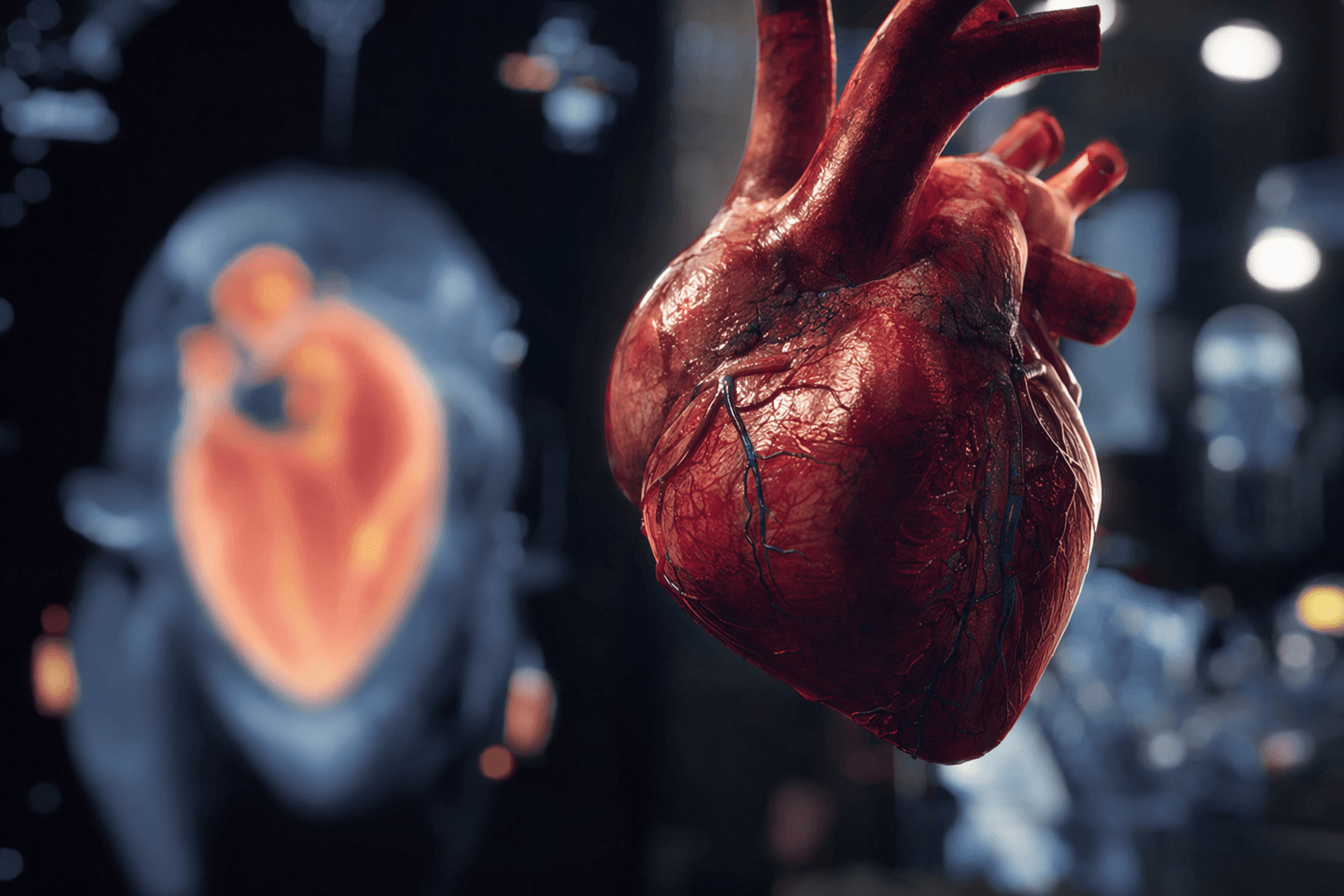
The beating heart appears to defend itself against cancer by turning force into a brake on cell growth. In a new Science study by Giulio Ciucci and colleagues, mechanical load from cardiomyocyte contraction and pressure-volume stress suppressed tumor development in mouse and human hearts, while unloading the tissue let cancer cells spread more easily.
That matters because primary cardiac tumors are extraordinarily uncommon. Earlier autopsy series put their prevalence at 0.001% to 0.03%, and later reviews estimated the frequency at about 0.002% by autopsy or roughly 0.15% by echocardiography. Most of those rare primary tumors are benign, while tumors that reach the heart from elsewhere are far more common.
The new work helps explain that imbalance by identifying nesprin-2 as a key mechanosensor. When the researchers silenced Nesprin-2 in lung cancer cells, the cells regained their ability to proliferate inside the mechanically active heart and went on to form large tumors. In contrast, unloading the heart promoted proliferation of lung adenocarcinoma, colon carcinoma and melanoma cells in the myocardium. The finding points to a pathway in which physical stress is translated into a direct anti-tumor signal.

The biology went deeper than mechanics alone. Cardiac metastases from different primary cancers shared a common transcriptional profile, suggesting that the heart imposes a similar pressure on disparate tumor types. Among the most up-regulated genes were histone demethylases, while the tumors showed reduced H3K9 trimethylation and reduced chromatin compaction. Mechanical load also altered chromatin accessibility and histone methylation at loci controlling cancer cell proliferation, tying force at the tissue level to changes in gene regulation inside the nucleus.
Nesprin proteins already had a place in cardiovascular biology as part of the LINC complex at the nuclear envelope, where they have long been linked to mechanotransduction and muscle disease, including cardiomyopathy. This study pushes that framework into cancer suppression, suggesting that the heart’s constant work may help keep malignant growth in check. The challenge now is translational: whether researchers can mimic this mechanically triggered anti-tumor pathway in other tissues without overselling a result still rooted in mouse-heart models and human-cancer samples.
Know something we missed? Have a correction or additional information?
Submit a Tip