Heavy snow grounds Jeju flights - 163 canceled, about 11,000 stranded
Heavy snow halted operations at Jeju International Airport, canceling 163 flights and disrupting hundreds of connections, stranding roughly 11,000 travelers.
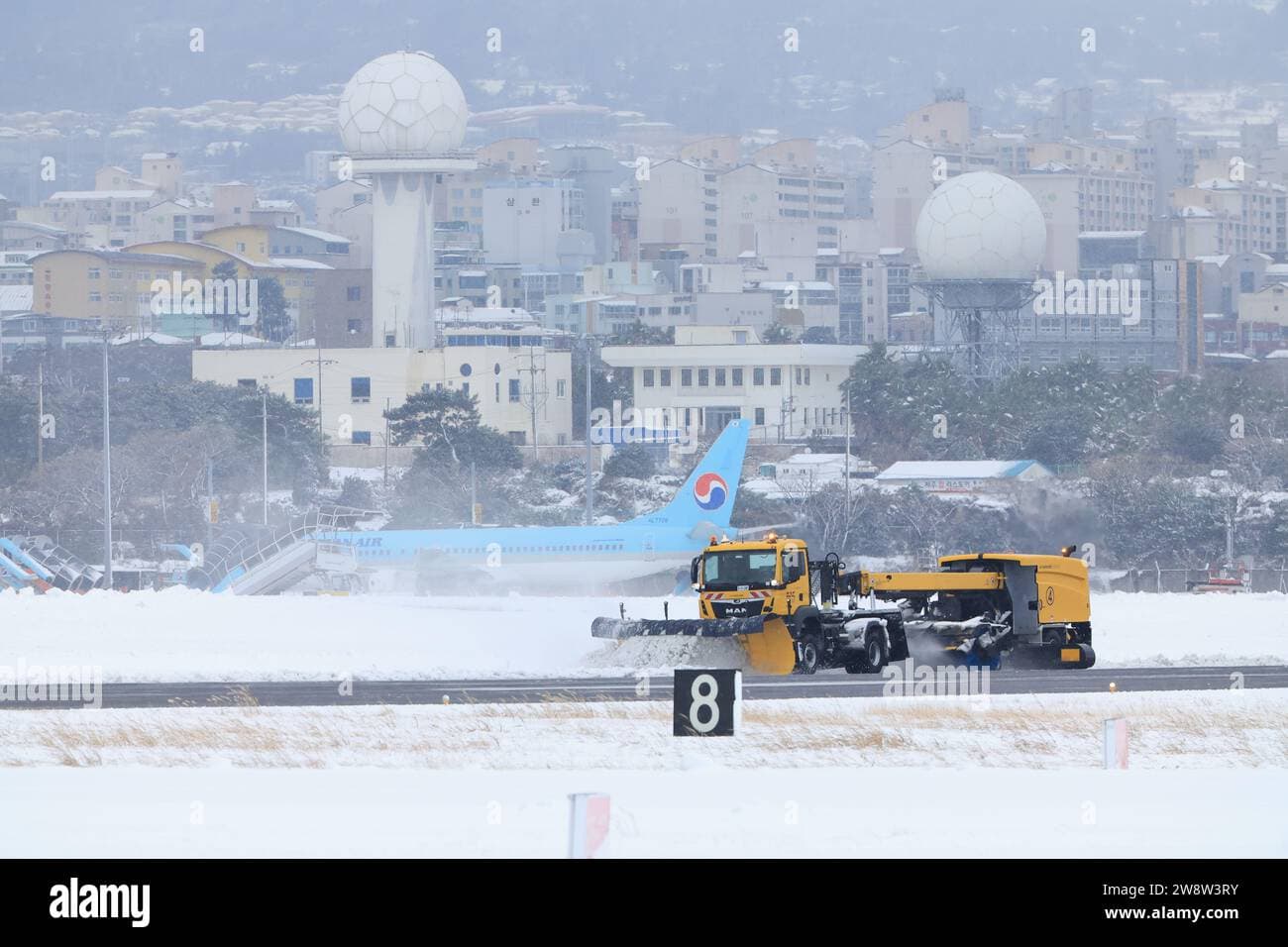
Heavy snow at Jeju International Airport crippled flight operations on Feb. 8, grounding services on South Korea's southern island and forcing the cancellation of a large portion of the day's schedule. Of 461 flights planned, 163 inbound and outbound flights were canceled and five aircraft were diverted, leaving thousands of travelers unable to depart or arrive at the island hub.
Airport scenes captured by YONHAP showed passengers waiting for the resumption of flights as ground crews and airlines scrambled to respond. Initial reporting put the number of stranded passengers at about 11,000; that figure appears in early accounts but has not been independently corroborated by airport authorities or carriers in public statements made available so far.
Korean Air suspended all departures from Jeju from 10 a.m., citing adverse weather conditions, and other carriers operating the island's short-haul routes also faced major disruption. Diversions and cancellations at Jeju ripple through the domestic network because the airport handles a large share of South Korea's interisland and leisure travel, making connectivity to the mainland vulnerable to short-term weather shocks.
The cancellations translate into immediate operational and economic costs. For airlines, grounded flights mean gate and crew disruptions, rebooking and accommodation expenses, and potential compensation obligations for delayed or canceled services. For Jeju's tourism-dependent economy, even a single day of mass disruption in peak season can dent hotel occupancy, local transport revenue, and ancillary spending by visitors. The knock-on effects extend to mainland airports where diverted flights add to congestion and delay, creating further schedule instability across carriers.
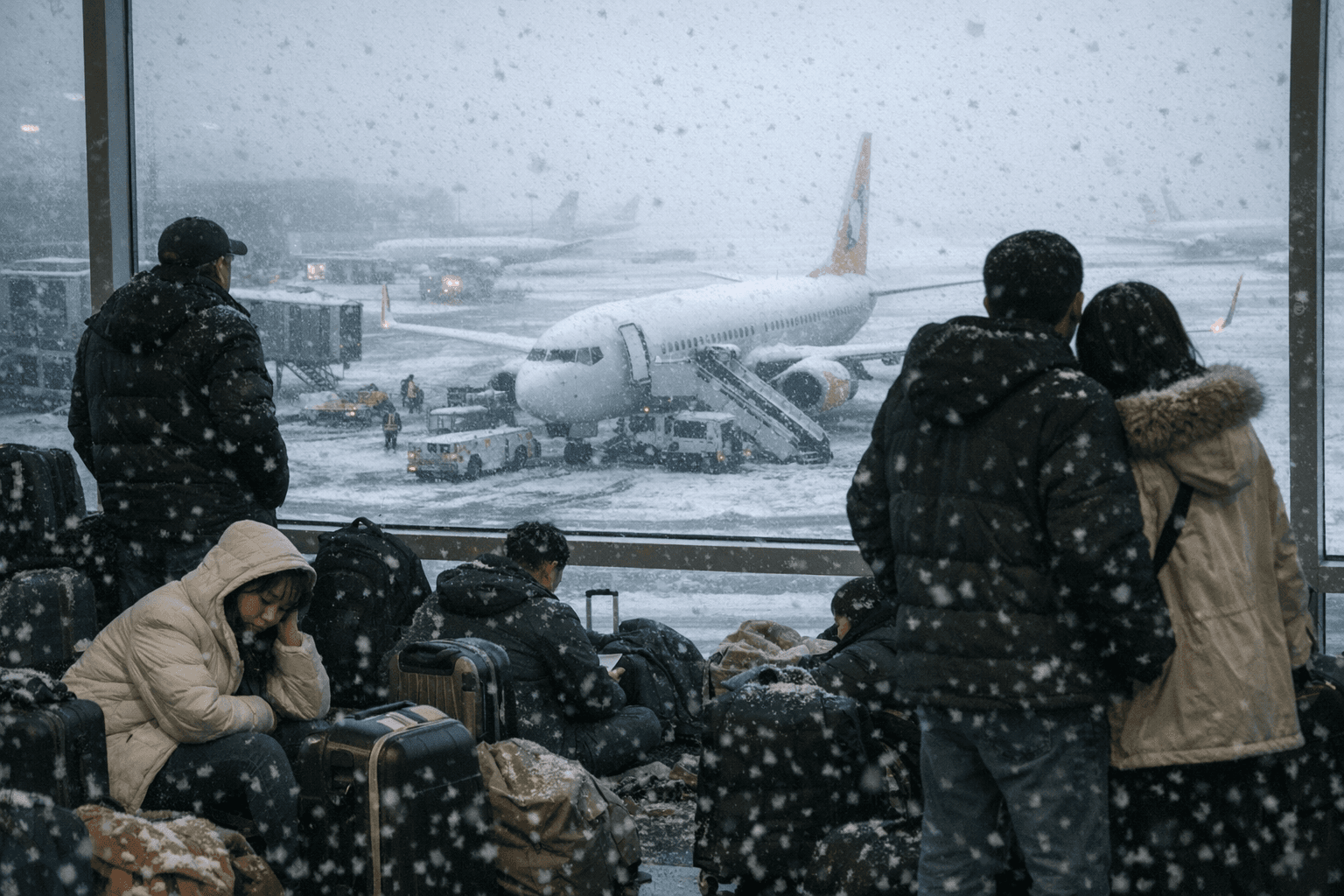
Meteorological details in initial accounts emphasize heavy snow as the principal cause; reports also indicate strong winds may have compounded visibility and safety concerns. Jeju's geography - a volcanic island with a single major international airport - concentrates risk: when operations pause, alternatives are limited and surface connections cannot readily absorb lost capacity. The incident underscores infrastructure and contingency limits at island airports that rely heavily on timely air links.
Policy implications are immediate. Airport operators and transport regulators will face pressure to review winter-maintenance capacity, including snow clearance, runway friction management and de-icing capabilities for both aircraft and ground equipment. Airlines may be pushed to strengthen flight-planning buffers and passenger-assistance protocols for weather-related disruptions. At a broader level, rising frequency of extreme weather events argues for investment in resilience at airports that serve concentrated tourist economies.
For travelers and businesses, the episode is a reminder of systemic vulnerabilities: a single storm can disrupt thousands of itineraries and material flows. Officials and carriers are expected to publish updated passenger counts, a timetable for resuming full operations, and details on assistance for affected travelers. Follow-up reporting will need to confirm the 11,000-passenger estimate, provide a breakdown by carrier and flight, and assess any lasting effects on Jeju's winter travel season.
This article was produced by Prism’s automated news system from verified source data, official records, and press releases, then run through automated quality and moderation checks before publishing. The system is built and supervised by the people who set the standards it runs under. Read our full AI policy.
Did this article answer your question?


