Hegseth cancels U.S. Army brigade deployment to Poland as tensions rise
Hegseth abruptly stopped a 4,000-soldier U.S. Army rotation to Poland, leaving allies with a bigger question than the troop count: why it was reversed.
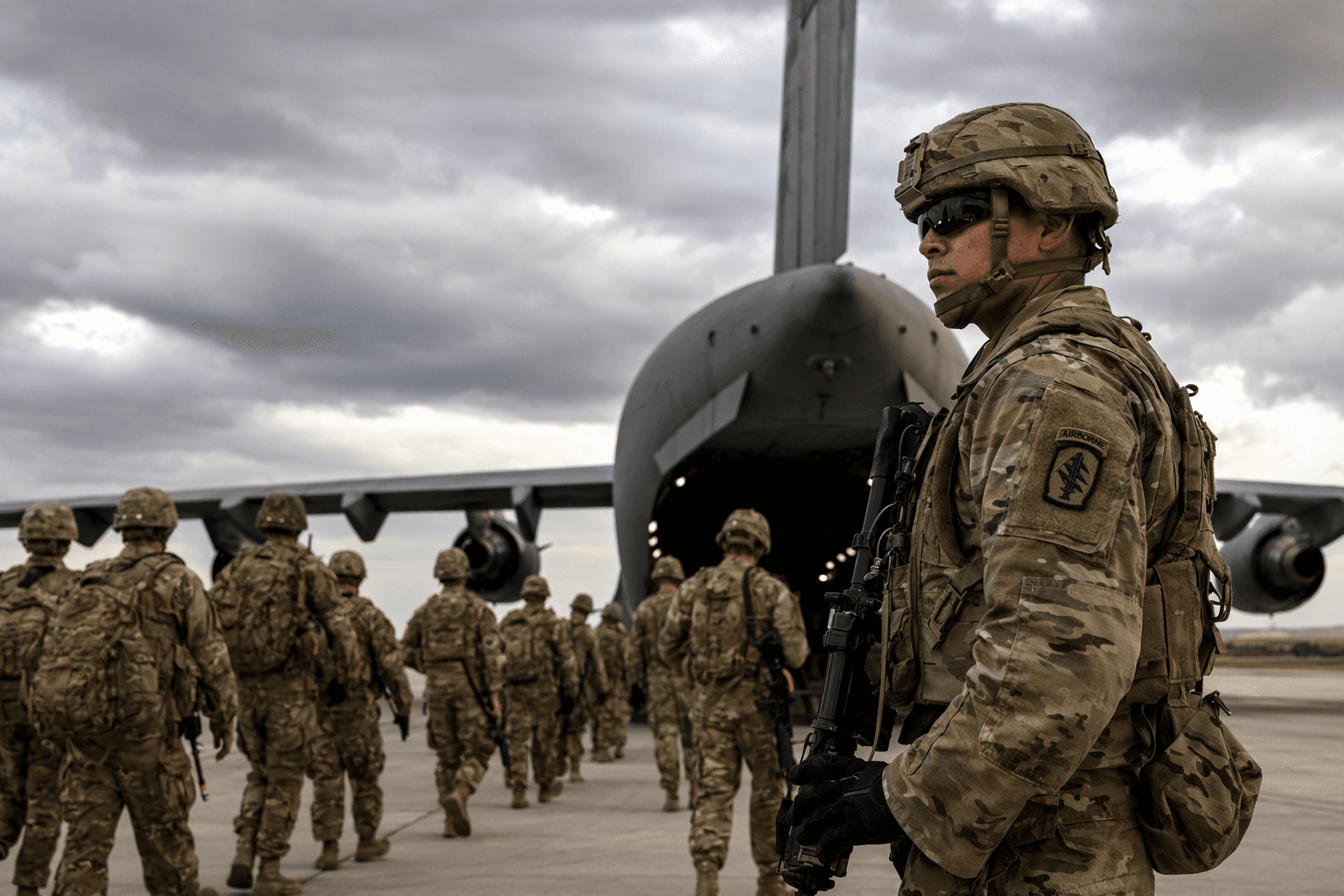
The cancellation of a planned U.S. Army brigade deployment to Poland landed in a place where military symbolism matters almost as much as troop numbers. The 2nd Armored Brigade Combat Team, 1st Cavalry Division, had been set to send more than 4,000 soldiers and associated equipment on a nine-month rotation, but the move was halted even after advance personnel had reached Poland and equipment was already in transit.
The abrupt reversal carries weight far beyond one unit. Poland has become one of NATO’s most important staging grounds on the alliance’s eastern flank since Russia’s 2022 invasion of Ukraine, and the brigade was part of Operation Atlantic Resolve, the U.S.-led effort to reinforce the allied presence across Central and Eastern Europe. With roughly 7,400 U.S. troops already in Poland and the Army’s V Corps forward headquarters in Poznań, any shift in U.S. posture is read in Warsaw and beyond as a signal about Washington’s staying power.
The decision also came as part of a broader Pentagon plan to pull about 5,000 U.S. troops from Germany, raising immediate questions about whether the Poland cancellation was a short-term adjustment or part of a larger redistribution of forces in Europe. Some reports had suggested Poland could become a destination for at least some of the personnel leaving Germany, which would have made the reversal even more consequential for deterrence planning on NATO’s eastern edge.
Polish defense officials tried to lower the temperature, saying the canceled Fort Hood-based rotation fit a wider Pentagon effort to rearrange forces. Even so, the move left open the central question: why Defense Secretary Pete Hegseth called it off after the brigade had already cased its colors at Fort Hood, Texas, on May 1 in preparation for the mission.
That uncertainty matters because alliance credibility is built on visible follow-through. The United States has spent years expanding its military footprint in Poland, where the presence of American troops, equipment and command elements is meant to complicate Russian planning and reassure front-line allies. When a deployment is canceled after movement has begun, it reverberates through NATO capitals as much as through barracks and headquarters. A Pentagon spokesman declined to comment on Hegseth’s decision, leaving Poland, U.S. military planners and allied officials to read the signal without an explanation.
This article was produced by Prism’s automated news system from verified source data, official records, and press releases, then run through automated quality and moderation checks before publishing. The system is built and supervised by the people who set the standards it runs under. Read our full AI policy.
Did this article answer your question?


