Xi invokes Thucydides Trap as U.S.-China tensions deepen
Xi used the Thucydides Trap to warn Washington that U.S.-China rivalry could turn dangerous, with Taiwan, trade and technology at the center of the standoff.

Xi Jinping used one of the most loaded ideas in U.S.-China policy to signal that Beijing sees the relationship with Washington as a dangerous power transition, not a normal bilateral dispute. By invoking the Thucydides Trap in Beijing, Xi framed the competition with Donald Trump’s United States as a moment that could either be managed or misread into confrontation.
The phrase, popularized by Harvard political scientist Graham Allison in the early 2010s, describes the structural strain that can emerge when a rising power challenges an established one. Allison’s Belfer Center case file says it has tracked 16 such rivalries since 1500, and 12 ended in war. The warning draws its force from ancient Greece, where Thucydides wrote that “it was the rise of Athens and the fear that this instilled in Sparta that made war inevitable.” That line has become shorthand for a familiar fear in Washington, Beijing and other capitals: that rivalry can harden into conflict before leaders realize it.
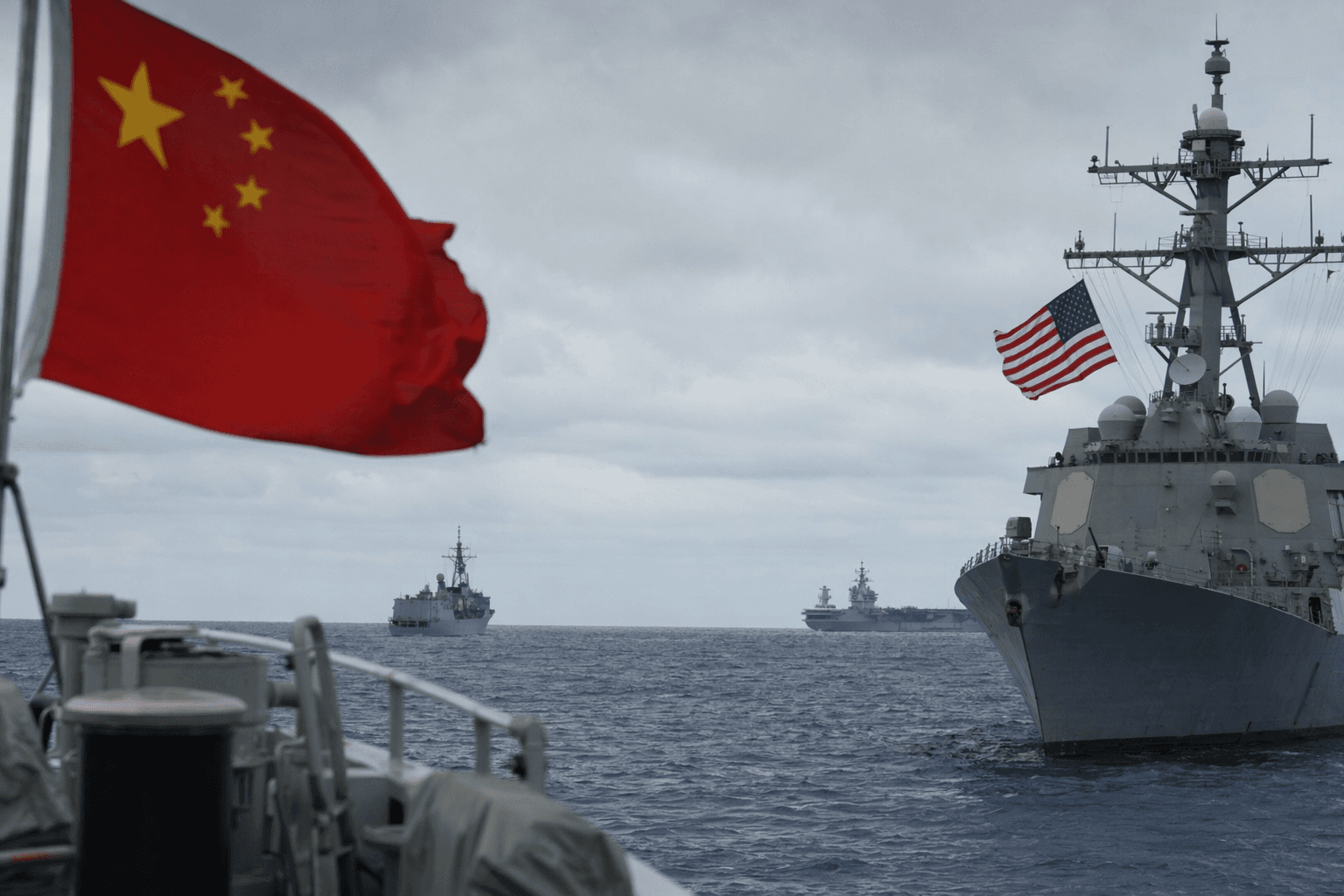
Xi’s choice of language was itself a message. Beijing was not just acknowledging friction over trade and technology. It was telling Washington that China sees the contest as broader, with military power, diplomacy, regional influence and Taiwan all bound up in the same strategic struggle. The Beijing summit, which some reports said was Trump’s first visit there in about nine years, brought that warning directly in front of both leaders. Taiwan hung over the exchange as a red line issue, a reminder that the most volatile part of the relationship is not tariff policy but the possibility of escalation in the western Pacific.
The Thucydides Trap is persuasive because it captures a real danger, but it is also often used as political shorthand. Harvard Kennedy School materials say Allison’s book, Destined for War, treats the rivalry as a serious lens for understanding U.S.-China relations, yet not as a prophecy. Allison’s argument is that war is not inevitable. Avoiding it, in his telling, requires painful adjustments by both the rising and ruling powers, a point that matters because neither side wants to look weak while claiming it wants stability.
That is why Xi’s reference matters now. It was less a history lesson than a strategic signal to Washington: China wants recognition of its rise, deterrence against pressure on its core interests, and clarity around red lines. The model fits the current tensions well enough to warn of real danger, but it also risks becoming a self-fulfilling slogan if leaders use it to justify harder lines instead of sharper restraint.
This article was produced by Prism’s automated news system from verified source data, official records, and press releases, then run through automated quality and moderation checks before publishing. The system is built and supervised by the people who set the standards it runs under. Read our full AI policy.
Did this article answer your question?