Hegseth faces lawmakers on Trump’s $1.5 trillion defense request
Hegseth defended a $1.5 trillion Pentagon request as lawmakers weighed munitions, missile defense and the $25 billion Iran war cost.
Pete Hegseth went before Congress with a $1.5 trillion defense request that would reshape Pentagon priorities, and lawmakers were poised to test whether the money goes to readiness, weapons and global commitments or gets stretched by war costs and political scrutiny.
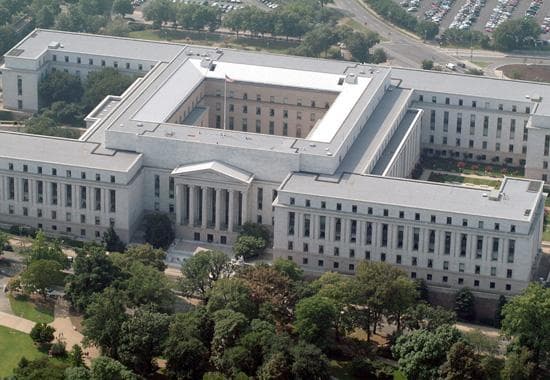
Hegseth and Joint Chiefs Chairman Gen. Dan Caine appeared in back-to-back hearings before the House and Senate Appropriations defense subcommittees on Tuesday, May 12, 2026. The House hearing was set for 8:00 a.m. EDT in the Capitol Complex at the Rayburn House Office Building and included acting Under Secretary of Defense for Comptroller Jules W. Hurst III. The Senate hearing followed at 10:30 a.m. in Dirksen Senate Office Building 192.
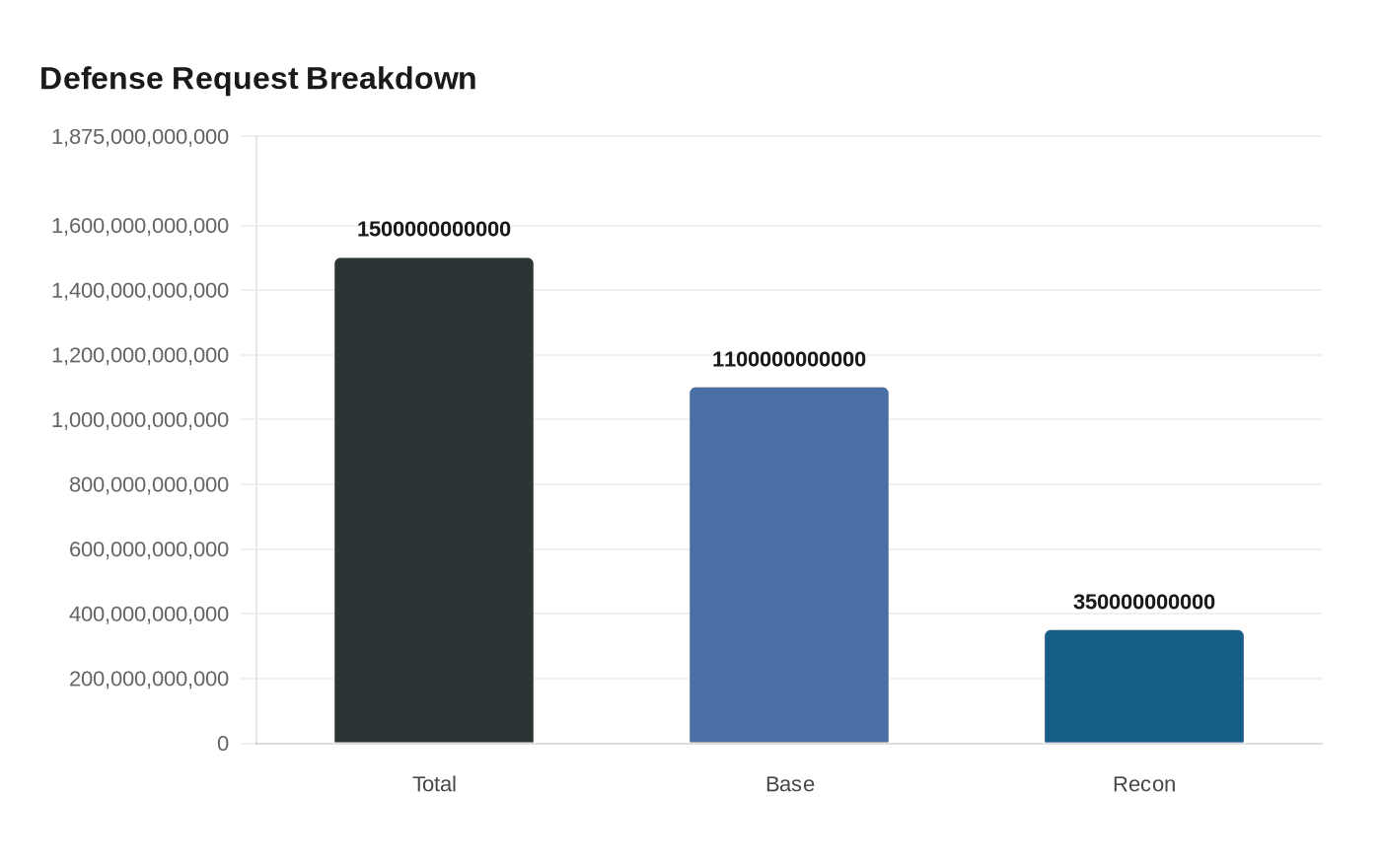
The Trump administration’s fiscal 2027 request totaled $1.5 trillion in budgetary resources, which the White House said was a $445 billion, or 42%, increase over fiscal 2026. Of that total, $1.1 trillion came as base discretionary budget authority for the Department of War, with another $350 billion in mandatory reconciliation resources. The White House said the reconciliation money would support munitions and defense industrial base expansion, while the broader request was aimed at Golden Dome missile defense, modernization and service member support.
The scale of the request gave lawmakers a clear target for resistance. Democrats were expected to press Hegseth on the Iran war, the cost of the broader buildup and the Pentagon’s spending priorities. Some Republicans had already raised concerns about the war’s length and the lack of congressional authorization. Earlier testimony put the war’s cost at about $25 billion so far, a figure that now hangs over the budget debate as Congress weighs whether the Pentagon can sustain a larger global posture while financing a costly conflict.
Hegseth has framed the package as a response to urgency, telling the House Armed Services Committee on April 29 that the request reflected “the urgency of the moment.” The Pentagon first made the budget public on April 3 and formally briefed it on April 21. In the department’s own words, the plan was meant to be a “generational investment,” and Hegseth said it would ensure the United States “continues to maintain the world’s most powerful and capable military.”
That argument now faces the appropriators, who control whether the Pentagon’s ambitions become actual spending. The hearings were less about the size of the number than the tradeoffs behind it: how much goes to munitions, how much to missile defense, how much to sustain operations abroad, and how much accountability lawmakers will demand before signing off on the largest defense request in history.
This article was produced by Prism’s automated news system from verified source data, official records, and press releases, then run through automated quality and moderation checks before publishing. The system is built and supervised by the people who set the standards it runs under. Read our full AI policy.
Did this article answer your question?

