Starmer defies resignation calls after Labour’s heavy local election losses
More than 60 Labour MPs urged him out after local-election losses topping 1,300 seats, but Starmer told Cabinet he would stay and keep governing.
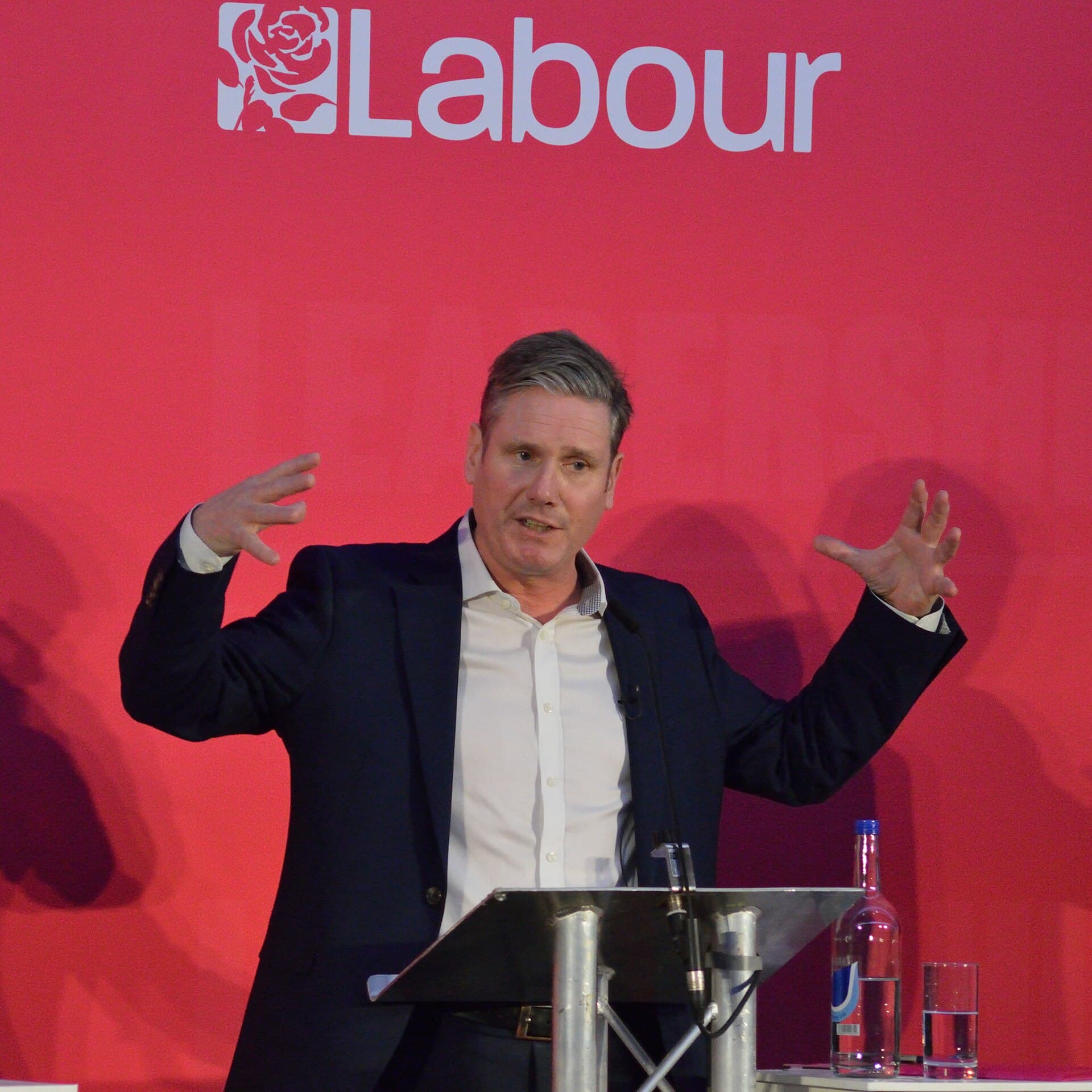
Keir Starmer’s authority was shaken by a local-election rout that left more than 60 Labour lawmakers publicly calling for him to go and forced his allies to argue for stability. After Labour lost hundreds of councillors, with some tallies putting the damage at more than 1,300 seats across England, Wales and Scotland, Starmer told his Cabinet on Tuesday that he intended to stay and keep governing.
The scale of the setback made the pressure impossible to ignore. Reform UK emerged as the standout winner in many areas and took control of several councils, turning the May 8-9 results into a direct test of Starmer’s premiership less than two years after Labour swept into power.
That earlier victory was the backdrop to the shock. On July 4, 2024, Labour ended 14 years of Conservative rule and won 411 seats, or 412 in some counts, giving Starmer one of the party’s largest Commons majorities in decades. By April 2026, that parliamentary margin had already fallen to 403 seats, underscoring how quickly the government’s political cushion had thinned.
The revolt widened as the local-election fallout spread through Westminster. Four ministerial aides resigned amid the backlash, while some Cabinet ministers were reported to be questioning Starmer’s position. Public pressure also grew as some later counts put the number of MPs urging him to stand down, or at least set a timetable for departure, above 70 or even 80.
Starmer has acknowledged responsibility for the defeats, but he has said the country expects the government to get on with governing. His allies have backed that line, arguing that Labour cannot afford to tear itself apart when voters have already delivered a blunt rebuke.
For the discontent to become a formal leadership contest, the criticism would have to move from public calls and private unease into an organised challenge inside Labour’s parliamentary ranks. Starmer’s message to Cabinet was that no such trigger had been pulled, and for now the party is left with a question that goes beyond one bad night at the ballot box: whether this is a passing revolt or the beginning of a deeper break in Labour’s authority.
Know something we missed? Have a correction or additional information?
Submit a Tip