Labour suffers major local election losses as Reform surges across Britain
Labour’s local wipeout and Reform’s surge point to a deeper shift: voters punished the old parties, but not all for the same reason.
Labour’s bruising local election results showed a party losing more than councils and seats. They exposed a volatile electorate that has begun to treat Reform UK as a credible vehicle for protest, anger and perhaps something more lasting.
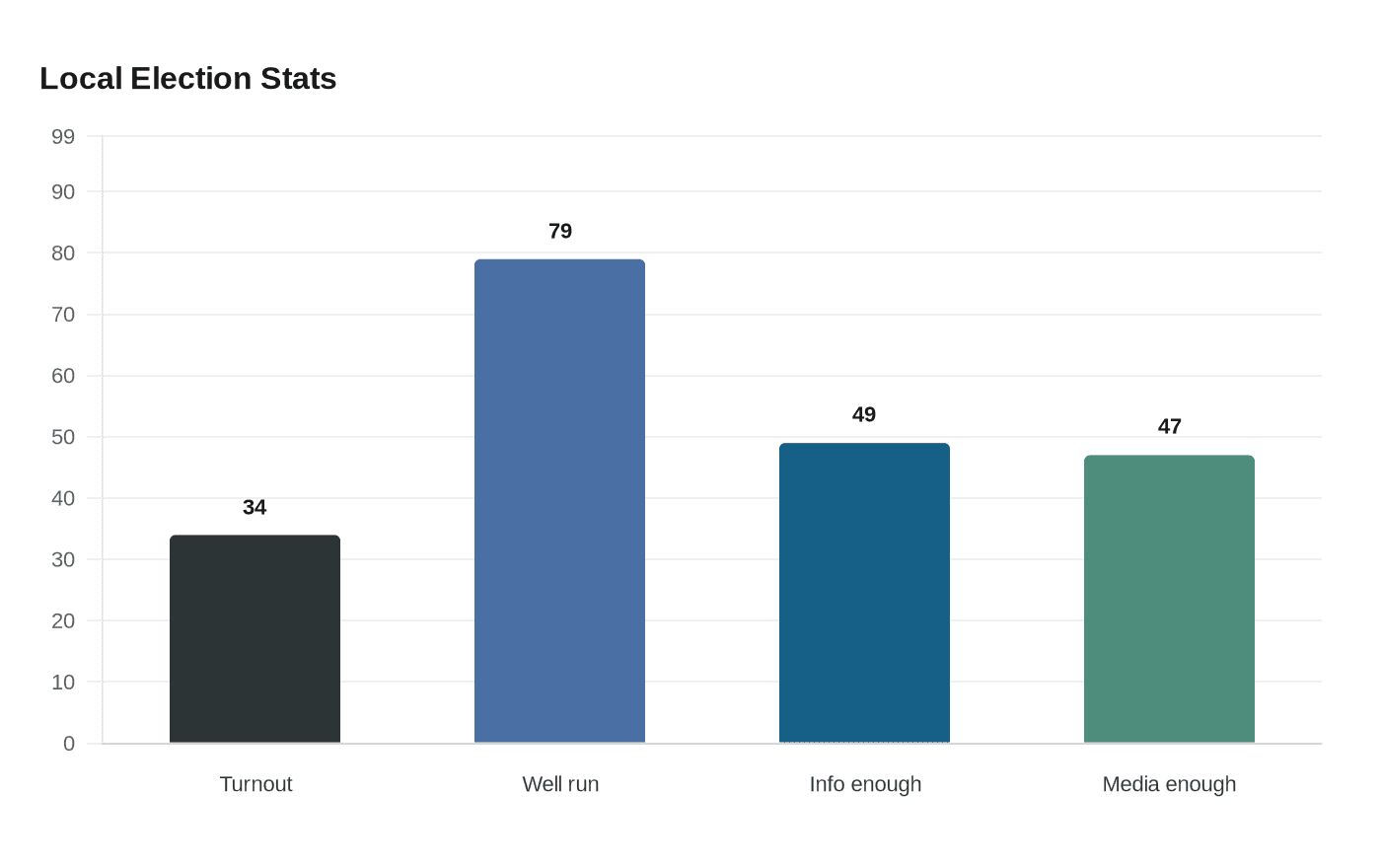
The clearest sign came in the first major local test after Labour’s July 2024 landslide, when turnout in England was only 34% across an electorate of 13.7 million. There were 8,624 candidates and 2.4 million postal voters, but the headline was the same at the ballot box: Labour and the Conservatives together fell below 40% of the total council vote share in contested areas, while Reform won nearly 600 seats and took control of eight councils.
That surge matters because the basic conditions of the contest were not chaotic. The Electoral Commission said 79% of voters were confident the elections were well run. But confidence in process did not translate into enthusiasm or informed choice. Only 49% said they had enough information on candidates, and just 47% felt there was enough local media coverage. In other words, the machinery of voting retained trust, while the political offer on the table looked thin, distant or both.
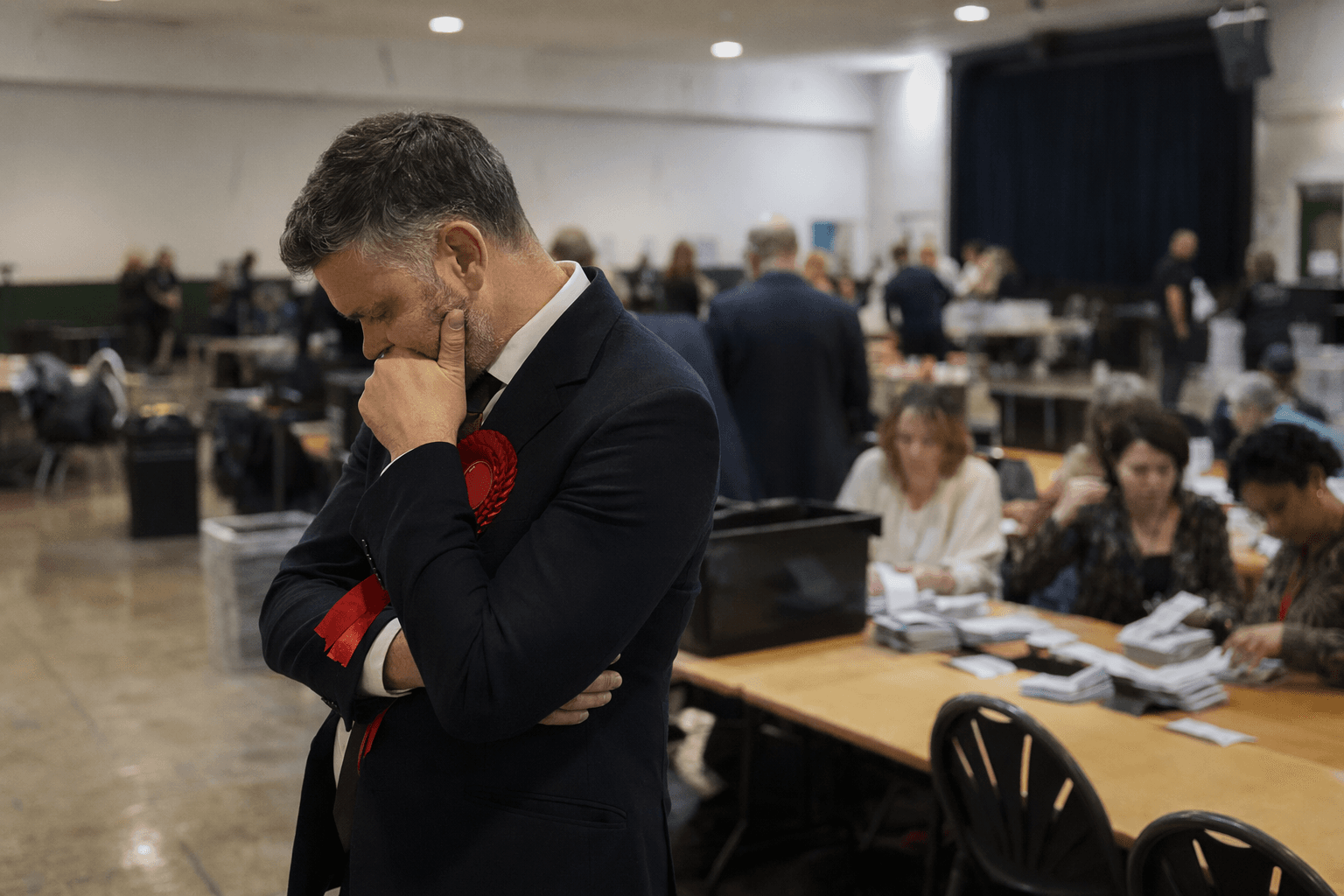
Reform’s gains, including both inaugural metro mayor contests and control of councils, suggested a broad backlash against the established parties rather than a narrow one-issue revolt. The party’s appeal cut across places and levels of government, while Labour and the Conservatives absorbed the damage together. That pattern points to frustration that is bigger than one policy dispute. It looks like a mix of pressure on household budgets, anger over services that feel out of reach, and a wider sense that the main parties are not listening.
By 2026, that mood had hardened into a direct warning for Keir Starmer. The latest local results stripped Labour of councils including Sunderland, Tameside, Barnsley, St Helens and Leeds, and were treated as an unofficial referendum on his leadership. Starmer called the results “tough” and said he took responsibility, while Nigel Farage hailed an “historic change in British politics.”
The scale of the losses, and the continuing fragmentation of the vote, suggests this is more than a routine midterm protest. Labour may still argue that local elections overstate the national picture, but the numbers now point to an electorate willing to punish the old order and explore alternatives. That is a warning not just about one government’s standing, but about the durability of Britain’s two-party habit itself.
This article was produced by Prism’s automated news system from verified source data, official records, and press releases, then run through automated quality and moderation checks before publishing. The system is built and supervised by the people who set the standards it runs under. Read our full AI policy.
Did this article answer your question?

