Hegseth reassures Asia on US ties, urges allies to spend more on defense
Hegseth promised Asia Washington was not “turning our backs,” but tied that pledge to a 3.5% GDP defense target and faster arms sales.
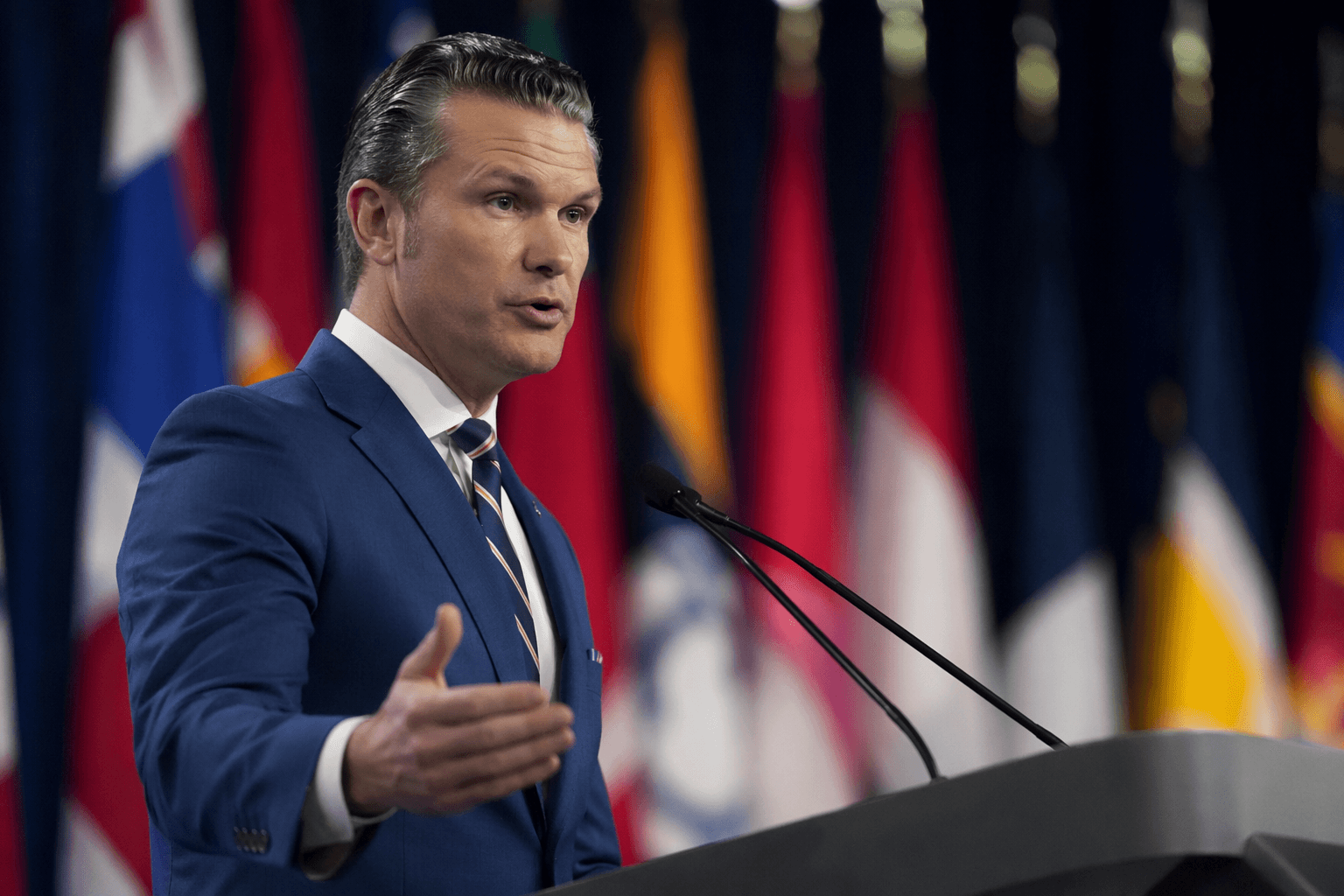
Pete Hegseth told Asia’s top defense forum that the United States was still committed to the region, even as he made clear that future American support would come with a harder bargain: spend more, take on more risk and rely less on Washington. Speaking at the Shangri-La Dialogue in Singapore, he said the United States was not “turning our backs” on Asia and argued it wanted to avoid “needless confrontation” while preserving a strong Indo-Pacific posture.
The message landed at the 23rd Shangri-La Dialogue, widely recognized as Asia’s premier defense summit, where ministers, senior military officials and diplomats gathered from across the region. Hegseth paired reassurance with pressure, warning of “rightful alarm” over China’s “historic military buildup” and urging Asian allies and partners to lift defense spending to 3.5% of GDP. The Pentagon cast the shift as a move toward “true partnership,” saying “The era of the United States subsidizing the defense of wealthy nations is over.” It also said “model allies” would move “to the front of the line” for expedited arms sales, deeper industrial collaboration and expanded intelligence sharing.
The sharper tone reflected growing unease in Asia over whether U.S. commitments can be separated from crises elsewhere. Questions about reliability intensified after Washington suspended a $14 billion Taiwan arms package to conserve munitions for the war in Iran, a decision that sharpened doubts about American staying power in the region. Hegseth tried to calm those fears, saying he would “very much decouple” the Taiwan issue from stockpile concerns and insisting the United States remained in a strong munitions position. He also pointed to improved U.S.-China military-to-military contacts, saying ties with Beijing were “better than they have been in many years.”

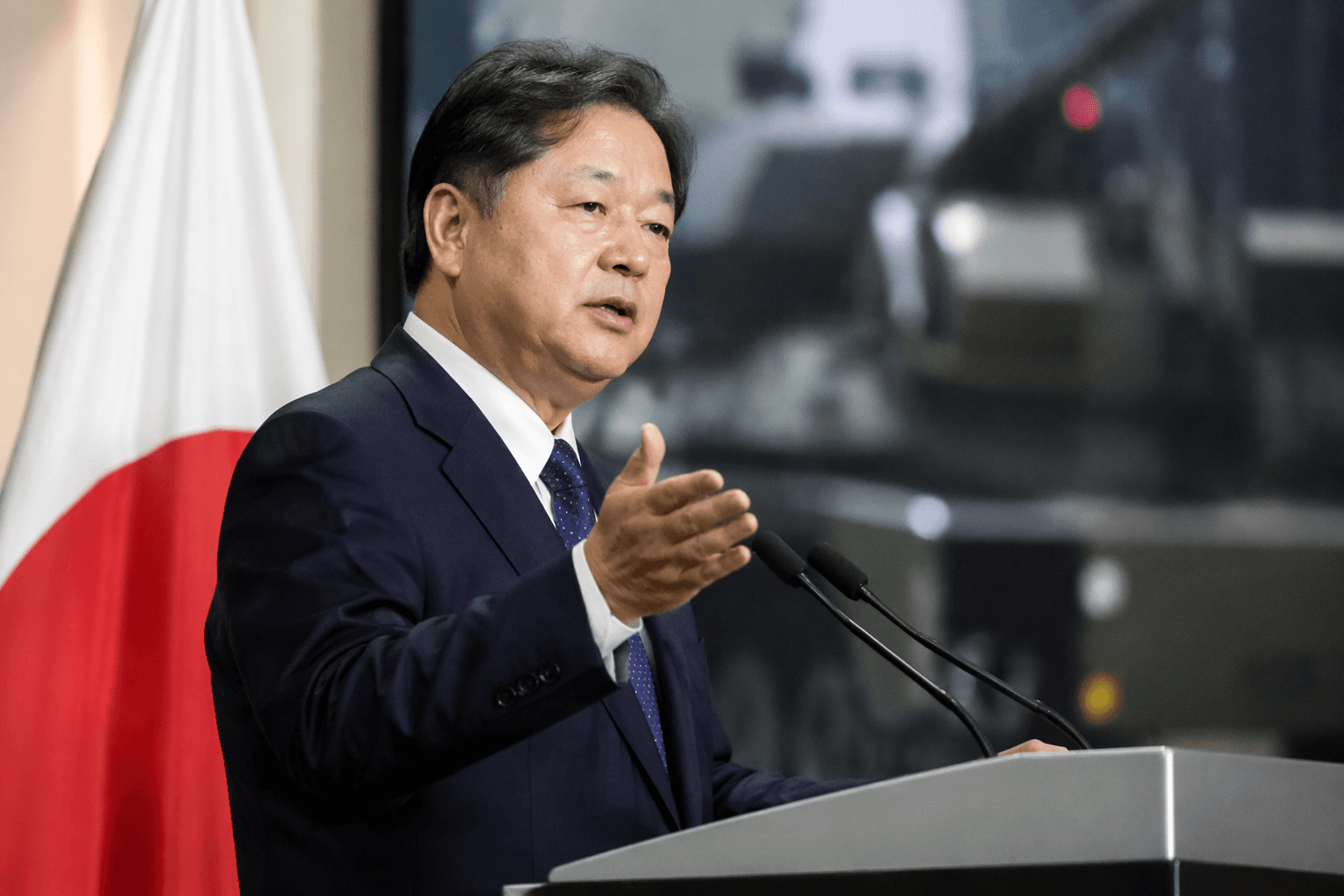
Japan’s defense minister, Shinjiro Koizumi, pressed Hegseth directly on that point, warning that “some countries might underestimate” Washington’s resolve and might try to “drive a wedge” between the United States and its allies. Koizumi rejected China’s accusation that Japan is drifting into “neo-militarism,” said Tokyo’s door to dialogue remains open and noted that Beijing sent only a lower-level delegation after defense minister Dong Jun skipped the summit for a second straight year.
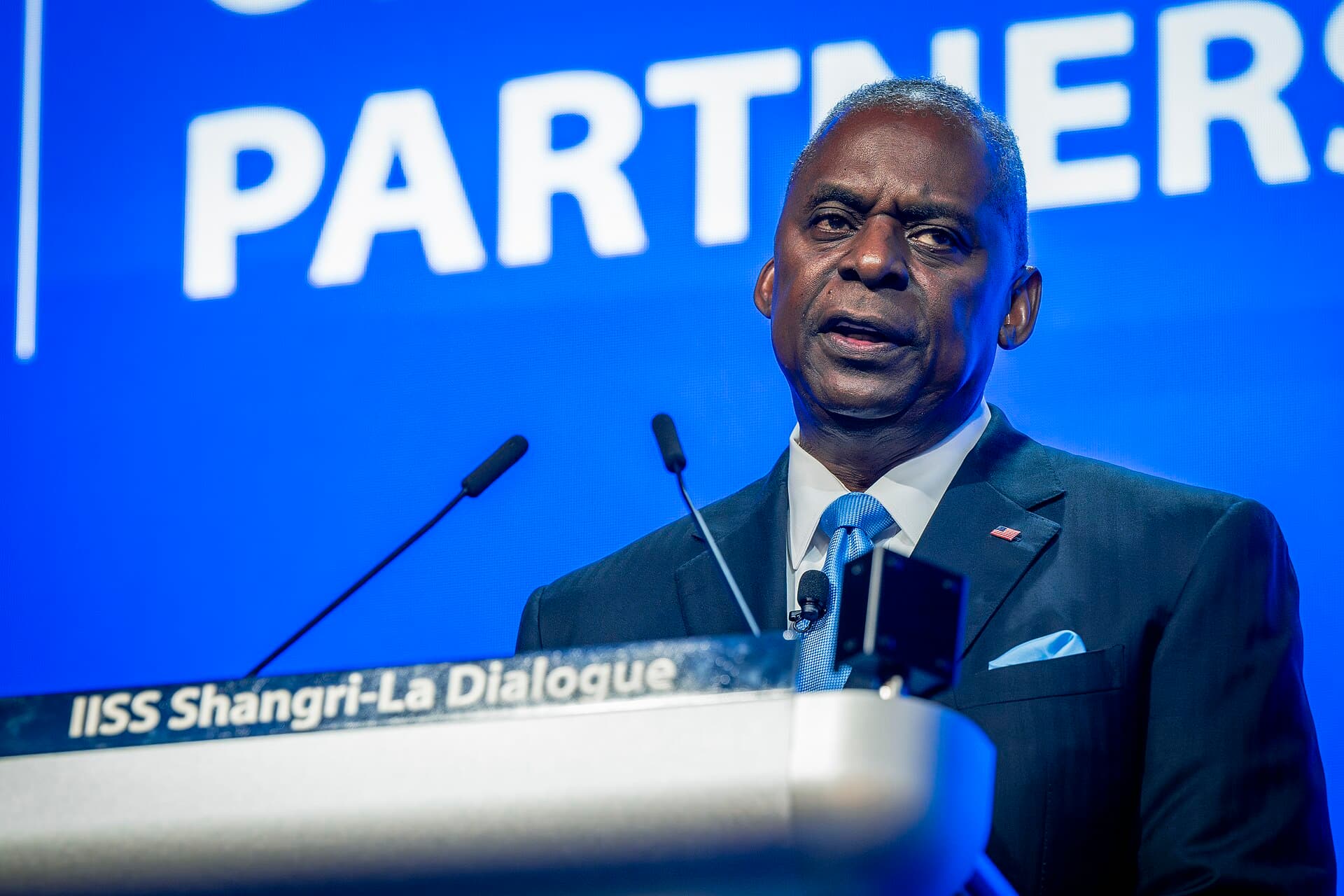
The political stakes reached back to Washington as well. Senator Tammy Duckworth said there is “really strong bipartisan support for Taiwan and Taiwan security,” while Representative Pat Harrigan said U.S. commitment to Taiwan is “not changing.” Together, the remarks underscored the central tension running through U.S. Asia policy: reassurance remains the public line, but the price of that reassurance is increasingly being shifted onto allies.
This article was produced by Prism’s automated news system from verified source data, official records, and press releases, then run through automated quality and moderation checks before publishing. The system is built and supervised by the people who set the standards it runs under. Read our full AI policy.
Know something we missed? Have a correction or additional information?
Submit a Tip