Hegseth returns to Congress as Iran ceasefire falters, troop cuts draw fire
Hegseth faced a six-hour House grilling over a $25 billion Iran war bill, then headed to the Senate as lawmakers questioned troop cuts in Germany.
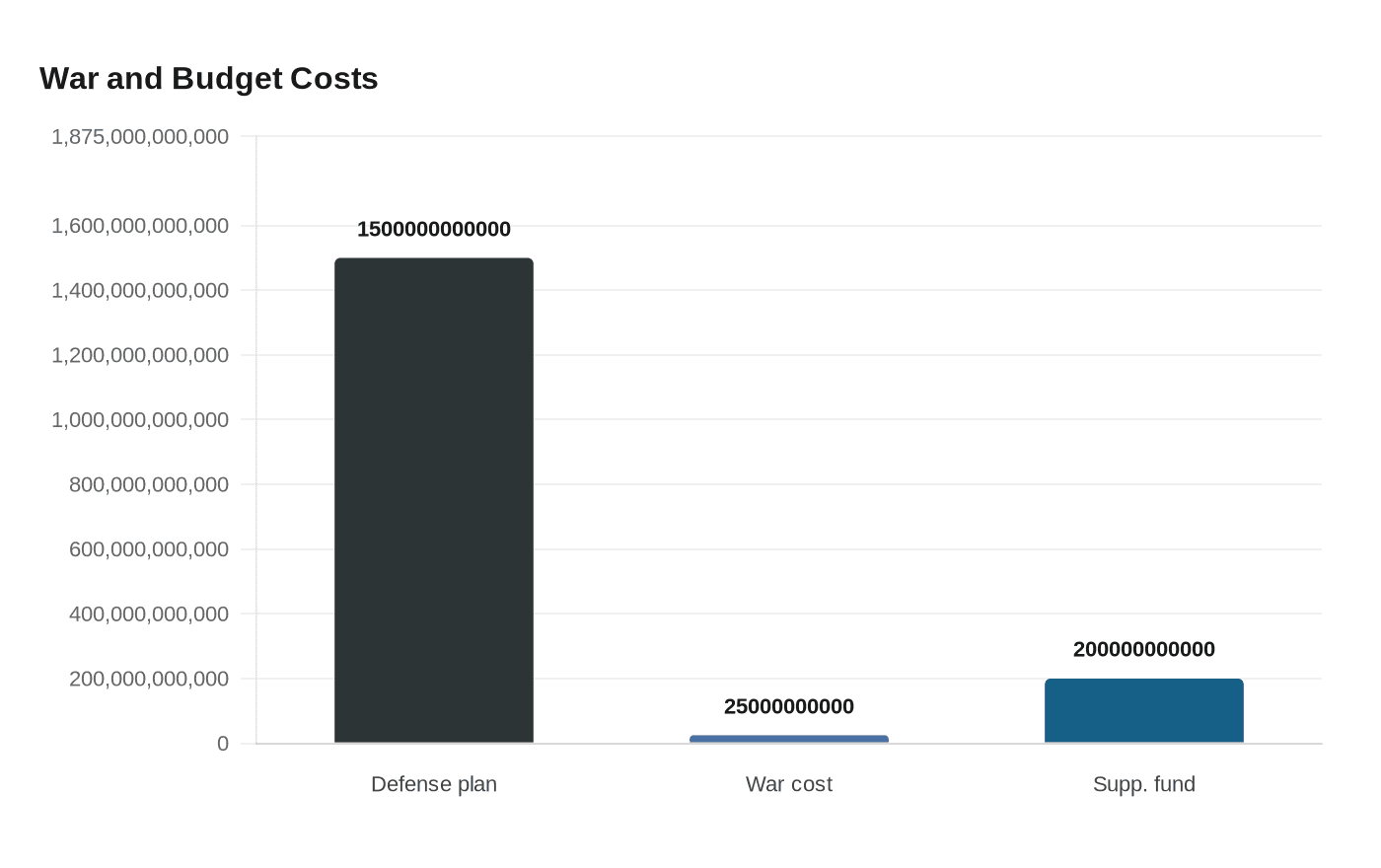
Pete Hegseth’s return to Capitol Hill turned into a sharp test of the Trump administration’s war footing, its budget discipline and its credibility with allies. In nearly six hours before the House Armed Services Committee, the defense secretary was pressed on the Iran campaign, the firing of senior military leaders and a Pentagon request that would lift defense spending to about $1.5 trillion, the largest budget proposal ever put forward by the department.
The hearing quickly moved beyond line items. Pentagon comptroller Jules Hurst III told lawmakers the war with Iran had cost about $25 billion so far, with munitions taking the biggest share, and the department said it planned to seek roughly $200 billion in supplemental funding for the operation. Hegseth, who also was scheduled to face the Senate Armed Services Committee, argued that Democrats’ criticism of the war amounted to “the biggest adversary we face,” as lawmakers on both sides of the aisle questioned the scope, cost and legal basis of the campaign.

Adam Smith, the committee’s ranking Democrat, challenged the administration’s explanation for the war and its claim that Iran’s nuclear program had been destroyed. Republicans joined the scrutiny too. Don Bacon said firing Gen. Randy George was constitutional but not necessarily wise, while Austin Scott and Jen Kiggans also pressed Hegseth on the conflict, civilian casualties and whether the fighting was draining U.S. stockpiles of critical munitions. The hearing became a broader argument over war powers and how much room the Pentagon had to sustain a fast-expanding conflict.
The Iran debate was sharpened by the scale of the campaign itself. A Defense Department fact sheet said Operation Epic Fury began on Feb. 28, 2026, at 1:15 a.m. and, as of an April 1 update, had struck more than 12,300 targets, flown more than 13,000 combat sorties and damaged or destroyed more than 155 Iranian vessels. That backdrop has left ceasefire diplomacy under strain and Congress increasingly focused on whether the administration can claim strategic success while asking lawmakers for billions more.
Europe added another layer of tension. Lawmakers objected to a proposal to withdraw 5,000 U.S. troops from Germany, warning that the move could weaken NATO deterrence and erode U.S. credibility in Europe. The issue revived memories of a 2020 Trump-ordered withdrawal from Germany that the Biden administration froze while the Pentagon carried out a global force review. Together, the Iran fight, the Germany troop proposal and the 2027 budget exposed the same contradiction: an administration projecting force worldwide while trying to trim, redirect or defend the resources needed to sustain it.
This article was produced by Prism’s automated news system from verified source data, official records, and press releases, then run through automated quality and moderation checks before publishing. The system is built and supervised by the people who set the standards it runs under. Read our full AI policy.
Did this article answer your question?

