Starmer Refuses to Quit as Labour Reels From Election Rout
Starmer has refused to resign after Labour’s local-election rout, even as more than 70 MPs demand he go and one minister quits. Cabinet backing may still buy him time, but the pressure is now inside the party machinery.
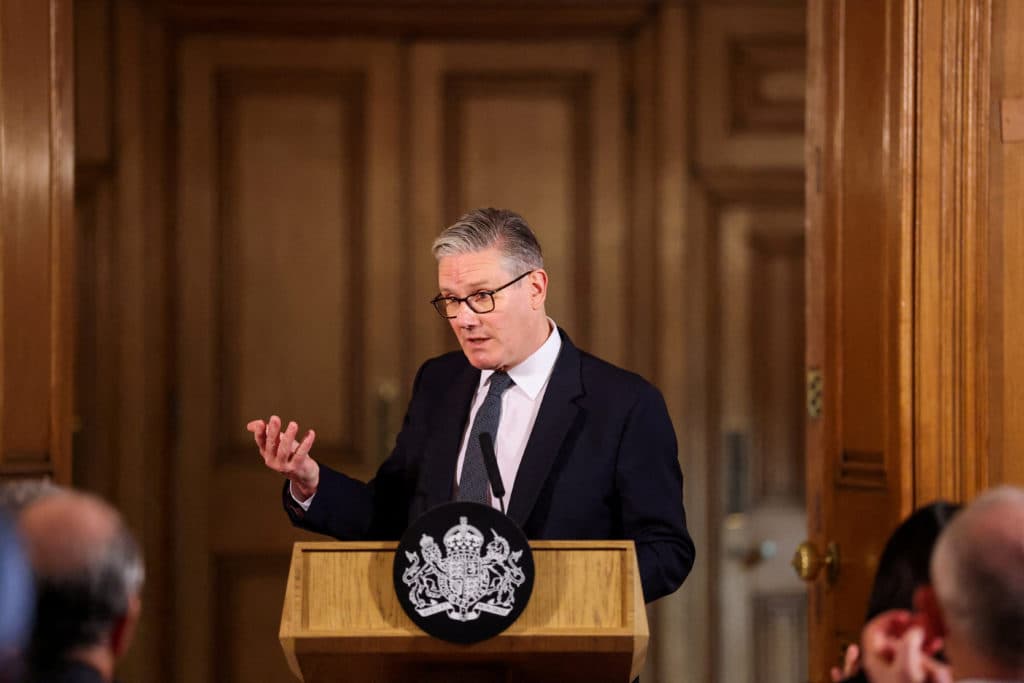
Keir Starmer refused to quit as Labour tried to contain a crisis that has turned from bad election night to a test of his survival. After historic local-election losses across England, Wales and Scotland, the prime minister told his Cabinet he would not step down and would "get on with governing," even as more than 70 Labour MPs publicly urged him to go, with one tally putting the number above 80.
The scale of the setback has given his critics real ammunition. Depending on the count, Labour lost roughly 1,000 council seats or as many as 1,496, while Reform UK surged to more than 1,400 councillor seats in some tallies. Labour also lost control of 36 to 38 councils, and some coverage said the party had lost its 27-year hold on the Welsh government. For a prime minister elected only in July 2024, the result has become the most severe internal challenge of his premiership.
Starmer first insisted on Friday, May 8, that he would not resign. He repeated on Saturday, May 9, that he had no plans to quit, then hardened that line on Monday, May 11, in a filmed statement in which he said he would face up to the challenges ahead. On Tuesday, May 12, he took the same message into Cabinet, telling ministers he would stay in place and focus on governing rather than hand power to the party’s rebels.
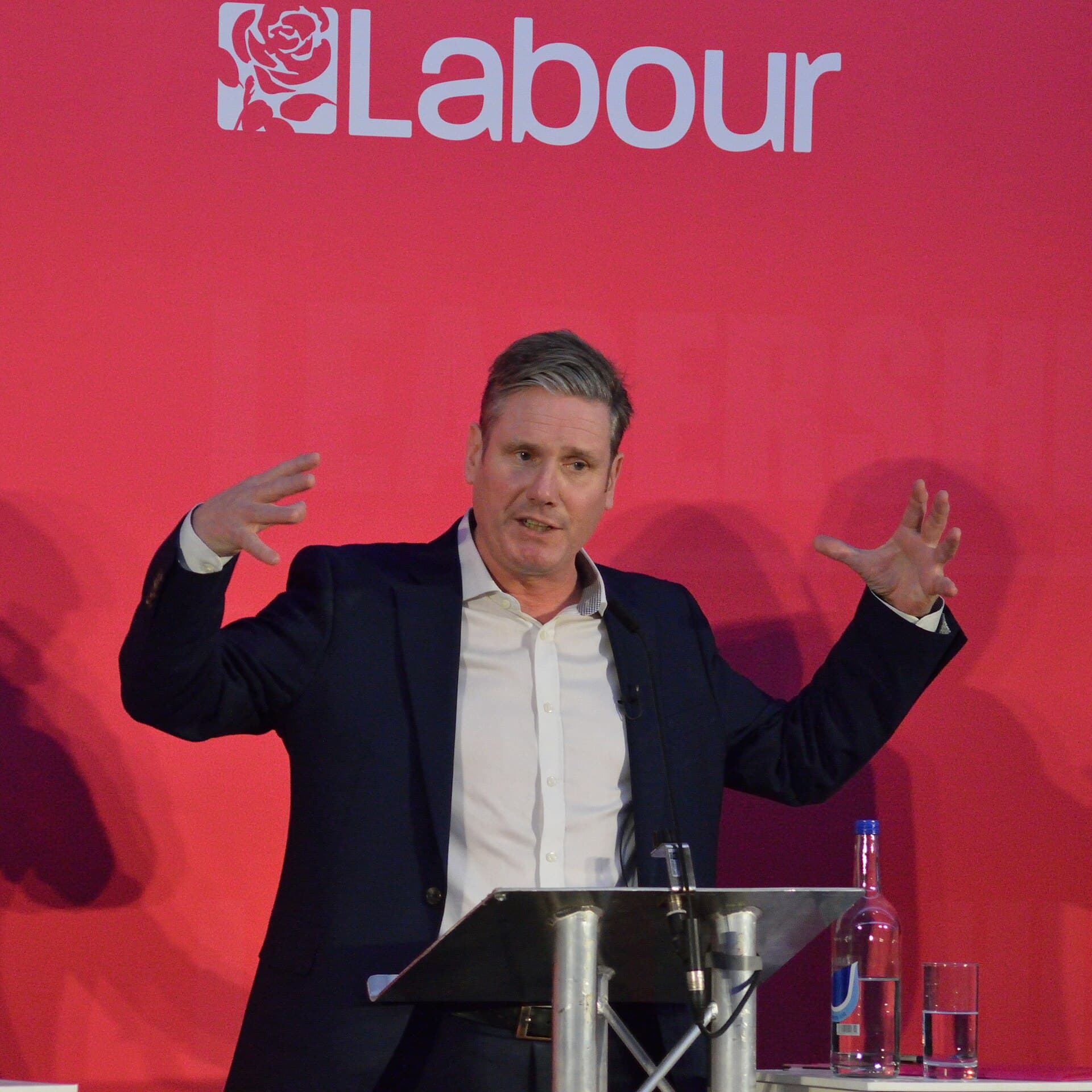
For now, the most important signal is not the chanting outside Downing Street but the arithmetic inside it. Cabinet allies including Wes Streeting, Shabana Mahmood, Pat McFadden, Peter Kyle, John Healey, Steve Reed, Liz Kendall and Miatta Fahnbulleh publicly backed Starmer, arguing that instability was not in Britain’s interest. One minister said he hoped Starmer’s refusal to resign would "cut through to the markets." That support matters because it buys time, but it does not end the argument.
The pressure is shifting to the next 24 to 48 hours, when silence will matter as much as loyalty. At least one frontbencher or junior minister has resigned, more ministers are said to want a timetable for departure, and the leadership challenge has not yet been formally triggered. If the number of open critics keeps rising and cabinet discipline cracks, the question will move from whether Starmer can govern to whether Labour can still control its own succession.
Know something we missed? Have a correction or additional information?
Submit a Tip